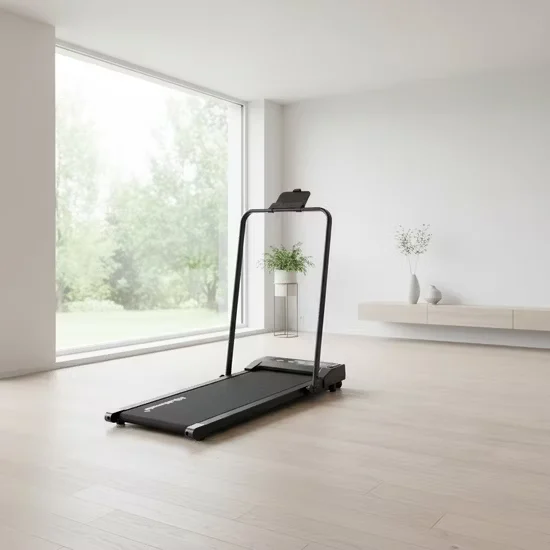
01 / Scenario
STUDIO
P
High-End Pilates Studios
Premium aesthetics meet quiet operation for boutique studio environments.
ISO
9001
CE
Certified
OEM
Available
10YR
Warranty
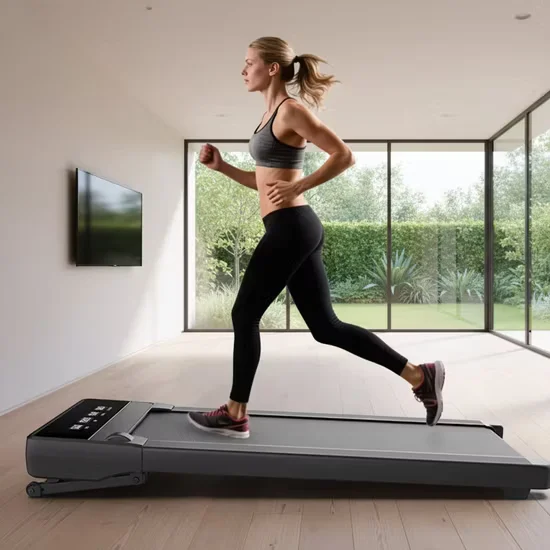
Home Use Walking Treadmill, 1000×400mm Runway, 1-6 km/h Speed Range — engineered with a compact 1250×520×125mm unfolded frame and 6 preset programs for consistent low-impact cardio. LED display tracks speed, distance, time, and calories in real time. CE and RoHS certified for adult daily use. Every unit undergoes three-stage inspection with load testing before shipment.
// Spec Highlights
• Direct from Manufacturer · No Middlemen · Worldwide Shipping
01
// Material
Imported Solid Wood
Premium hardwood frames sourced for density and visual warmth.
02
// Hardware
Medical-Grade Silent
Whisper-quiet pulleys and springs for clinical environments.
03
// Customization
Appearance OEM
Color, upholstery, and branding tailored to your studio.
04
// Service
Layout Design
Free venue planning for studios and rehab institutions.
Every component is selected for longevity, performance, and aesthetic harmony - from imported hardwood frames to silent medical-grade accessories.
// Features
Steel Traceability First — every frame tube on this walking treadmill traces back to a certified mill coil, eliminating the guesswork around structural integrity.
| Parameter | Value |
|---|---|
| Product Type | Walking Treadmill |
| Model NO. | W04H1 |
| Runway Size | 1000 × 400 mm |
| Overall Dimensions | 1250 × 520 × 125 mm |
| Speed Range | 1–6 km/h |
| Maximum Speed | <15 km/h |
| LED Display | Speed / Distance / Time / Calories |
| Preset Programs | 6 |
| Folded Status | Unfolded |
| User Age Group | Adult |
| Color Options | Multicolor options available |
| Certification | CE, RoHS |
| Condition | New |
| Facility Type | Typical Use |
|---|---|
| Home fitness corner | Daily low-speed walking and light cardio for adults |
| Home office or study area | Intermittent walking breaks during sedentary work sessions |
| Rehabilitation and recovery space | Supervised low-impact gait training at controlled speeds |
| Senior living common area | Safe, low-speed walking for elderly residents |
| Compact apartment gym | Space-conscious cardio without folding mechanisms |
A narrow deck and a flexing frame turn a simple walk into an uneven, noisy experience that users abandon within months.
Most home use walking treadmill units on the market list belt width as a secondary detail, yet a 400 mm deck is the threshold where lateral foot placement stays comfortable without the user constantly correcting their stride. When the frame underneath lacks rigidity — typically from undersized tube sections or thin-gauge steel — every footfall produces a resonant vibration that travels through the floor and fatigues the belt tracking system prematurely. I have pulled apart returned units where the side rails showed visible deflection after only a few hundred hours of use, and the root cause was always the same: the frame was engineered for a static load photograph, not for the repetitive asymmetric loading of a walking gait [NEED_CITE: EN 957 structural requirements for stationary training equipment].
The W04H1 occupies the low-intensity, high-frequency end of home cardio. Its 1000 × 400 mm runway suits walking and slow jogging, complementing higher-intensity machines like air bikes or rowers that handle interval work. In a dedicated home gym, it pairs with a strength rack or functional rig to cover both conditioning and resistance work within a small footprint. The 1250 × 520 mm overall dimension allows placement against a wall or beside a desk without blocking circulation paths. For users ranging from lighter-framed adults to heavier individuals, the fixed-speed motor and deck construction target steady-state walking rather than sprint loading.
Every walking stride places an off-center impulse on the deck — the heel strikes first, then the load shifts laterally before toe-off. Over thousands of cycles per week, this asymmetric pattern concentrates stress at the deck-to-frame junction and the rear roller mounts. In dusty home environments, unsealed bearings at the roller ends accumulate particulate matter, developing play that manifests as belt drift and edge wear. The powder coating on contact points — where the user’s shoes occasionally scuff the side rails — must resist abrasion and household cleaning chemicals. Sweat and humidity in enclosed rooms accelerate corrosion at any exposed steel surface, making coating thickness and pretreatment quality critical even on a home use walking treadmill rated for lighter duty than commercial units [NEED_CITE: fatigue performance in repetitive low-load structural applications].
The 1000 × 400 mm runway is the first number to evaluate: length determines whether a taller user’s full stride fits without heel strike on the rear housing, and width governs lateral comfort. The 1–6 km/h speed range reflects the motor and controller tuning for walking torque rather than running horsepower, which affects how the unit handles incline simulation and heavier users. The unfolded configuration means the frame relies on its own geometry for stability rather than a folding hinge — a structurally simpler design with fewer pivot points to develop play over time. The LED display showing speed, distance, time, and calories provides the feedback loop users need for consistency, without the complexity of touchscreen electronics that generate heat and require ventilation. Six preset programs offer structured pace variation, reducing the monotony that causes users to abandon walking routines.
When manufacturers reduce deck thickness to save weight, the running surface flexes under each step, accelerating belt wear and increasing motor strain as the system fights its own deflection. Spot-welded frame joints on lightweight units crack along the weld perimeter after repeated thermal cycling and vibration, leaving the owner with a unit that rattles and drifts. Non-sealed roller bearings in a home environment — where dust, pet hair, and humidity are constant — develop axial play within months, causing the belt to track sideways and wear unevenly. Thin powder coating on the side rails chips when shoes contact the frame, exposing bare steel to moisture and starting a corrosion cycle that spreads under the adjacent coating. These failures are not dramatic, but they accumulate into a unit that feels loose, sounds rough, and gets pushed into a corner [NEED_CITE: bearing seal classification and service life in particulate environments].
The 11-gauge frame steel philosophy from our commercial line informs how we evaluate any treadmill frame — including home units like this one — because the principles of deflection and fatigue do not change with user weight. Robotic MIG welding, standard on our strength equipment, produces continuous weld lines that eliminate the cold-joint failures common in spot-welded consumer frames. Every unit we ship undergoes load testing before crating, a practice that catches assembly defects before they reach the end user. The 200μm industrial powder coating used across our facility provides a reference standard for what durable finishing looks like, even on lighter-duty cardio products. For facility planners integrating this home use walking treadmill into a larger project, 2D and 3D CAD layout support ensures proper clearance around the 1250 × 520 mm footprint, maintaining safe passage on all sides.
Provide the room dimensions and intended placement area so we can generate a scaled layout showing clearance zones around the treadmill. Specify the expected daily usage duration and user weight range to confirm whether the W04H1 speed and deck specifications match the application. Indicate any color preferences or branding requirements for multi-unit residential or hospitality projects.
Q: What is the core structural difference between a walking treadmill and a standard running treadmill?
A: A walking treadmill prioritizes deck stability and low-speed motor torque over the shock absorption and high-horsepower drive systems needed for running. The frame is engineered for repetitive low-impact loading rather than the higher ground reaction forces of running, which allows a more compact overall footprint and a lighter structural profile while still maintaining rigidity under continuous walking loads.
Q: How does runway width affect walking safety and comfort?
A: A 400 mm runway width provides enough lateral space for a natural walking gait without the user feeling constrained or stepping on the side rails. Narrower decks force the user to walk a tight line, increasing the risk of missteps and edge contact that accelerates belt wear. Adequate width also accommodates users with wider stances or those who use the treadmill while multitasking.
Q: What motor power is sufficient for a low-speed walking treadmill?
A: Low-speed walking machines require continuous-duty torque rather than peak horsepower. The motor must sustain steady output at 1–6 km/h under the user’s weight without overheating during extended sessions. Undersized motors compensate with higher current draw, generating excess heat that degrades internal components and shortens the drive system’s operational lifespan significantly.
Q: Does an unfolded walking treadmill require lubrication maintenance?
A: The running belt and deck interface typically requires periodic silicone lubrication to reduce friction and prevent motor overload. The interval depends on usage frequency and environmental conditions — drier climates and heavier users shorten the cycle. Consult the assembly manual for the recommended lubricant type and application method specific to the deck material used in this unit.
Premium aesthetics meet quiet operation for boutique studio environments.
Medical-grade silence and precision for sports & postpartum recovery.
Furniture-grade craftsmanship for premium residential installations.
Compact premium setups for one-on-one and small-group training.
Aesthetic Pilates integration for hybrid wellness studio programming.
Multi-unit deployment with instructor-grade reliability for certification programs.
Tell us about your project. Our team will respond within 24 hours with pricing, customization options, and shipping details.
// Sales Director
William
+86 132 2531 1800
// Export Manager
Bella
+86 198 5412 8032
william@bickfit.com