01 / Scenario
STUDIO
P
High-End Pilates Studios
Premium aesthetics meet quiet operation for boutique studio environments.

ISO
9001
CE
Certified
OEM
Available
10YR
Warranty
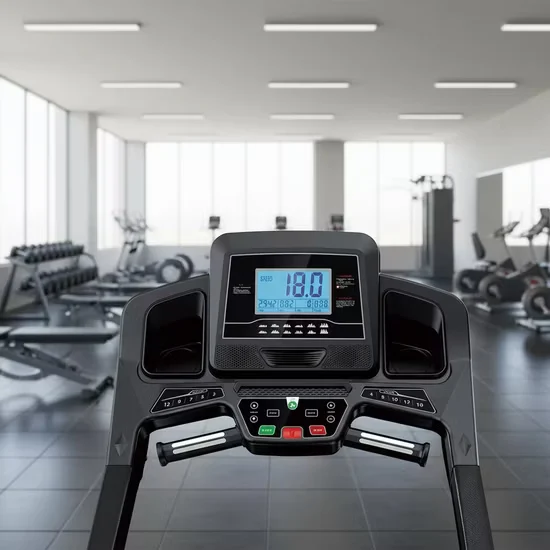
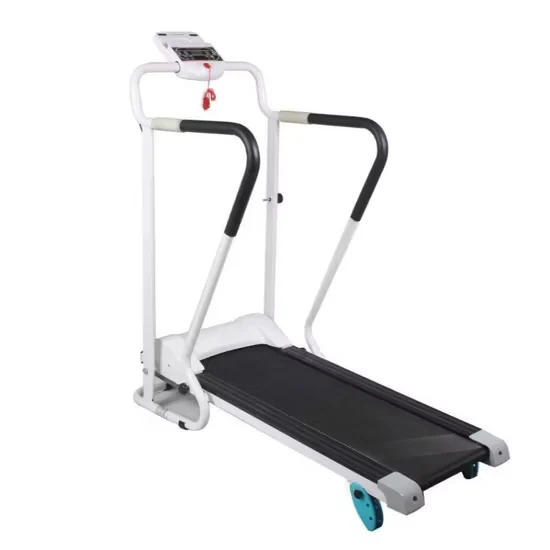
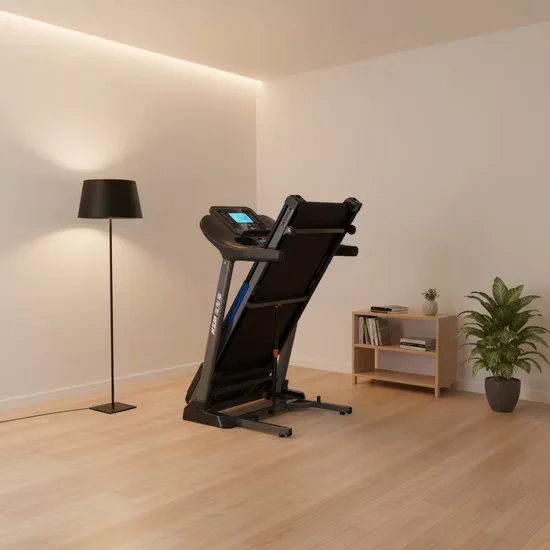
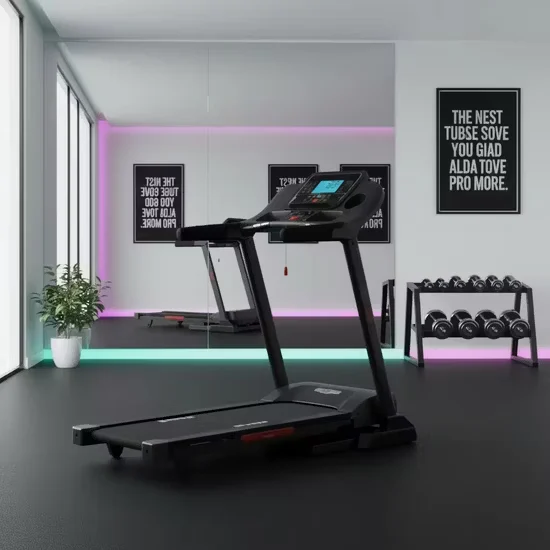
Motorized Treadmill, DC2.0HP Motor, 1200×520mm Running Surface — engineered with 16 preset programs and a foldable frame for space-efficient deployment in light commercial or hotel fitness environments. The DC motor delivers consistent torque across the 1–20 km/h speed range, while the ABS housing shields internal components from dust and moisture. Every unit undergoes three-stage QC inspection with full load testing before shipment.
// Spec Highlights
• Direct from Manufacturer · No Middlemen · Worldwide Shipping
01
// Material
Imported Solid Wood
Premium hardwood frames sourced for density and visual warmth.
02
// Hardware
Medical-Grade Silent
Whisper-quiet pulleys and springs for clinical environments.
03
// Customization
Appearance OEM
Color, upholstery, and branding tailored to your studio.
04
// Service
Layout Design
Free venue planning for studios and rehab institutions.
Every component is selected for longevity, performance, and aesthetic harmony - from imported hardwood frames to silent medical-grade accessories.
// Features
Foldable Frame Integrity Under Daily Cycles — hinge locking pins are tested for repetitive folding without developing lateral play, a common failure point in budget motorized treadmill DC2.0HP commercial gym units.
| Parameter | Value |
|---|---|
| Product Type | Motorized Treadmill |
| Motor | DC 2.0HP |
| Speed Range | 1–20 km/h |
| Maximum Speed | 15–22 km/h |
| Running Surface | 1200 × 520 mm |
| Programs | 16 preset programs |
| Display | LCD — Speed / Distance / Time / Calories / Pulse |
| Foldable | Yes |
| Unfolded Dimensions | 1580 × 865 × 1300 mm |
| Folded Dimensions | 910 × 865 × 1345 mm |
| Net Weight | 64.0 kg |
| Housing Material | ABS |
| Certification | CE, RoHS |
| OEM / ODM | Available |
| Facility Type | Typical Use |
|---|---|
| Hotel fitness center | Guest-accessible cardio with foldable storage for space-constrained floors |
| Personal training studio | Supplementary cardio station adjacent to strength zones |
| Light commercial gym | Entry-level motorized treadmill DC2.0HP commercial gym option for mixed-use areas |
| Residential wellness suite | Private training environment requiring quiet, low-vibration operation |
Many units marketed as commercial-grade rely on thin-wall steel tubing and spot-welded frame joints that deform under sustained footstrike impact — causing deck instability, belt misalignment, and premature motor strain. The motorized treadmill DC2.0HP commercial gym configuration pairs a torque-consistent DC motor with a structurally rigid foldable frame designed to resist flex under repeated loading.
In high-traffic environments, a treadmill deck that shifts even slightly under each stride forces the motor to compensate continuously, accelerating thermal buildup and bearing wear. Frame joints welded with intermittent spot patterns — rather than continuous seams — become fatigue points where micro-cracks propagate within months of daily use [NEED_CITE: weld classification and fatigue performance in structural steel]. The ABS housing on this unit shields internal electronics and the motor assembly from dust and moisture ingress common in shared fitness spaces.
This motorized treadmill DC2.0HP commercial gym unit occupies the light-commercial tier — bridging home-use compactness and facility-grade durability. The 1200 × 520 mm running surface accommodates stride lengths for users up to approximately 185 cm, providing sufficient lateral margin to reduce edge-stress on the belt and deck during high-cadence intervals. It pairs effectively with self-powered cardio units and strength equipment in hybrid training zones where floor density matters. The foldable design allows reconfiguration of the cardio area without permanent footprint commitment.
A treadmill frame endures three distinct stress categories: vertical impact from footstrike, lateral shear during stride transitions, and torsional load during speed and incline adjustments. Over hundreds of daily cycles, these forces concentrate at the hinge mechanism, deck mounting points, and motor cradle — areas where spot-welded or thin-gauge construction fails first. The DC motor’s thermal management depends on stable frame geometry; any flex alters belt tension and increases drag on the roller bearings [NEED_CITE: EN 957 structural requirements for stationary training equipment]. ABS housing resists impact damage from adjacent equipment contact while protecting the console electronics from sweat and cleaning-agent exposure.
The DC 2.0HP motor delivers consistent torque across the 1–20 km/h range without the thermal degradation typical of peak-rated AC motors in comparable units. The 1200 × 520 mm running surface provides a 520 mm lateral width — wide enough to prevent users from drifting toward belt edges, which accelerates wear on side rails and deck laminates. The foldable hinge mechanism uses locking pins rated for repetitive engagement; play in this joint is the single most common structural complaint in foldable treadmills after the first year of commercial use. ABS housing at this weight class balances impact resistance with the structural rigidity needed to prevent console vibration during operation.
Units built with thin-wall tubing and spot-welded joints may pass initial visual inspection but develop frame flex within months — leading to belt tracking issues, motor overheating, and deck delamination. Non-sealed bearings in the roller assembly accumulate dust and degrade rapidly in high-traffic settings, requiring frequent replacement. Low-density foam padding on handrails compresses permanently, and thin powder coatings chip at contact points, exposing bare steel to sweat-induced corrosion. When proprietary fasteners are used without aftermarket availability, a single failed hinge pin can render the entire foldable mechanism inoperable [NEED_CITE: material degradation patterns in high-traffic fitness equipment].
The motorized treadmill DC2.0HP commercial gym unit is engineered with a foldable frame tested for structural integrity across repeated deployment cycles — not merely folded once for shipping. The 1580 × 865 mm operational footprint and 910 × 865 mm folded profile allow precise floor planning with defined safety clearances between adjacent stations. OEM and ODM customization supports branding alignment across multi-site deployments. CE and RoHS certification ensures compliance for international facility procurement. Each unit undergoes functional testing before dispatch to verify motor performance, belt alignment, and foldable mechanism engagement.
Provide your cardio zone dimensions and target daily user volume to receive a 2D-3D layout with equipment spacing and safety clearances. Specify your user demographic range to confirm running surface suitability and console accessibility. OEM requirements for branding, color, and console configuration can be scoped during initial consultation.
Q: How does the DC 2.0HP motor compare to AC motors in commercial treadmill applications?
A: DC motors deliver consistent torque at lower speed ranges with reduced thermal buildup during extended sessions. For light commercial and high-traffic hotel environments, a DC 2.0HP configuration provides adequate power for sustained daily use without the energy consumption and heat output of larger AC motors. Thermal protection circuits prevent damage during continuous operation.
Q: What should buyers inspect in a foldable treadmill frame before purchase?
A: Examine the hinge mechanism for locking pin engagement quality and lateral play. Check whether frame joints use continuous welding or spot welds at stress points. Verify that the folded position is stable without wobble. Request documentation on hinge cycle testing — this is the most common structural failure in foldable units after one year of commercial use.
Q: How does the 1200×520mm running surface accommodate different user heights?
A: The 1200 mm length supports stride lengths for users up to approximately 185 cm without rear-deck overhang. The 520 mm width provides lateral margin that prevents belt-edge drifting during high-cadence running, reducing uneven wear on deck laminates and side rails. This dimension balances space efficiency with functional stride accommodation.
Q: What maintenance intervals apply to the motor and running deck in daily-use environments?
A: Motor dust extraction and thermal ventilation checks are recommended quarterly. Running deck lubrication and belt tension adjustment should occur every 500 operating hours or per manufacturer schedule. The ABS housing requires non-abrasive cleaning to prevent surface degradation. Hinge mechanism inspection should be performed monthly in high-traffic settings.
Q: Can the console and branding be customized for multi-site deployments?
A: OEM and ODM customization is available for console graphics, language options, startup logos, and housing color. Minimum order quantities and lead times are confirmed during specification review. Custom console programming for preset workout profiles can be scoped based on facility requirements and user demographic data.
Premium aesthetics meet quiet operation for boutique studio environments.
Medical-grade silence and precision for sports & postpartum recovery.
Furniture-grade craftsmanship for premium residential installations.
Compact premium setups for one-on-one and small-group training.
Aesthetic Pilates integration for hybrid wellness studio programming.
Multi-unit deployment with instructor-grade reliability for certification programs.
Tell us about your project. Our team will respond within 24 hours with pricing, customization options, and shipping details.
// Sales Director
William
+86 132 2531 1800
// Export Manager
Bella
+86 198 5412 8032
william@bickfit.com