01 / Scenario
STUDIO
P
High-End Pilates Studios
Premium aesthetics meet quiet operation for boutique studio environments.
ISO
9001
CE
Certified
OEM
Available
10YR
Warranty
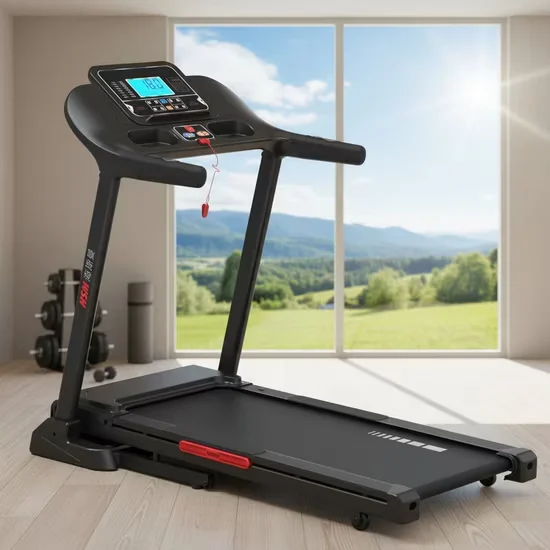
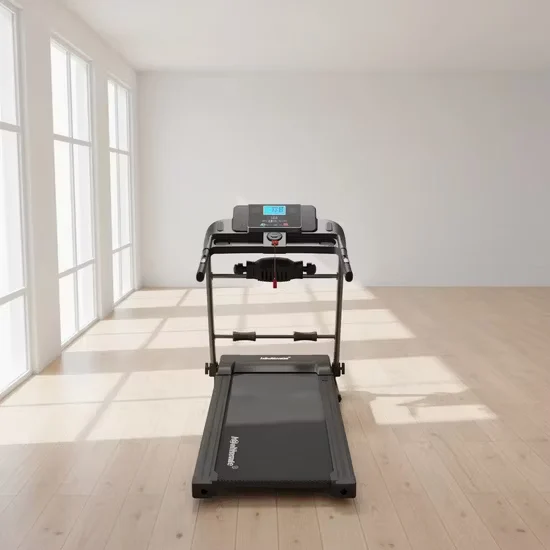
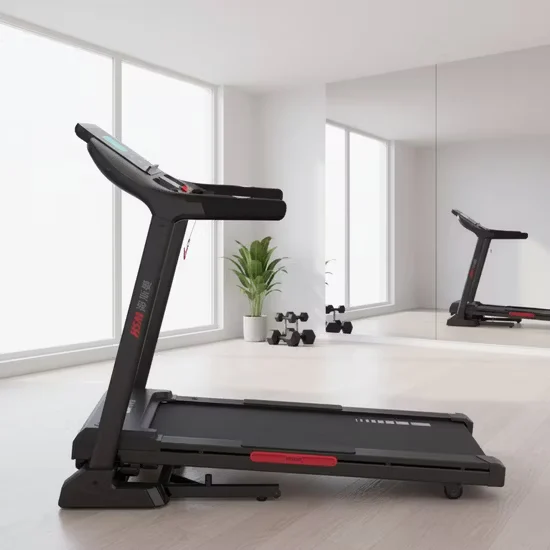
MT296 Motorized Home Treadmill, DC2.0HP Motor, 1200×520mm Running Surface — engineered with a foldable frame reducing footprint to 910×865×1345mm, 16 pre-set programs, and LCD console displaying speed, distance, time, calories, and pulse data. Speed range 1-20km/h supports rehabilitation protocols and light commercial use. CE and RoHS certified with OEM/ODM customization available. Every unit undergoes load testing before shipment to ensure structural integrity for daily training environments.
// Spec Highlights
• Direct from Manufacturer · No Middlemen · Worldwide Shipping
01
// Material
Imported Solid Wood
Premium hardwood frames sourced for density and visual warmth.
02
// Hardware
Medical-Grade Silent
Whisper-quiet pulleys and springs for clinical environments.
03
// Customization
Appearance OEM
Color, upholstery, and branding tailored to your studio.
04
// Service
Layout Design
Free venue planning for studios and rehab institutions.
Every component is selected for longevity, performance, and aesthetic harmony - from imported hardwood frames to silent medical-grade accessories.
// Features
Foldable Frame, Fixed Structural Integrity — DC2.0HP motorized treadmill with 1200×520mm running surface engineered for daily rehabilitation and home training cycles.
| Parameter | Value |
|---|---|
| Designation | MT296 |
| Product Type | Motorized Treadmill |
| Motor | DC 2.0HP |
| Speed Range | 1–20 km/h |
| Running Surface | 1200 × 520 mm |
| Programs | 16 preset programs |
| Console Display | LCD — Speed / Distance / Time / Calories / Pulse |
| Product Unfold Size | 1580 × 865 × 1300 mm |
| Product Folded Size | 910 × 865 × 1345 mm |
| Net Weight | 64.0 kg |
| Foldable | Yes |
| Frame Material | ABS housing with steel frame structure |
| Certification | CE, RoHS |
| Customization | OEM / ODM available |
| Facility Type | Typical Use |
|---|---|
| Home fitness environments | Daily cardio training with space-saving foldable storage |
| Rehabilitation and physical therapy centers | Controlled-speed walking protocols for recovery patients |
| Hotel and resort fitness rooms | Light commercial use with limited floor footprint |
| Apartment complex gyms | Shared residential cardio equipment |
| Assisted living facilities | Low-impact mobility training for senior users |
A foldable MT296 motorized home treadmill must carry the same structural scrutiny as a fixed-frame unit — the hinge mechanism is where most cost-cutting manufacturers hide their compromises.
Rehabilitation treadmills face a unique stress profile: slow-speed, high-torque motor operation generates sustained heat at the deck-motor interface, while repeated folding cycles fatigue the hinge pins and latch mechanisms far faster than standard home use. Non-sealed motor housings in dusty residential environments allow particulate accumulation on the drive board, shortening electronics life well before the motor itself reaches end-of-service. The running board — often the first component to warp under repetitive footstrike — determines whether joint loading stays within therapeutic tolerances or drifts into impact-related discomfort [NEED_CITE: biomechanical loading thresholds for rehabilitation treadmill deck stiffness].
The MT296 motorized home treadmill occupies the controlled-speed cardio segment, bridging the gap between basic walking pads and full-commercial treadmill platforms. Its 1200×520mm running surface accommodates natural stride length for users up to moderate height, while the 1–20 km/h range covers everything from post-surgical gait retraining to interval-based conditioning. In a rehabilitation center, this unit pairs with resistance equipment by providing the warm-up and cool-down cardio station without consuming the footprint of a non-foldable commercial deck. The foldable frame design allows storage against a wall between sessions, making it viable for multi-purpose therapy rooms where floor space shifts between modalities throughout the day.
Every fold-unfold cycle loads the hinge pins in shear and tests the latch engagement under the treadmill’s own 64 kg mass. Over hundreds of cycles, hinge bushings without proper sealing develop play, introducing lateral wobble at the deck junction — a failure mode invisible during initial inspection but obvious to a rehabilitation patient relying on stable footstrike. The DC motor operates under continuous low-speed torque during rehab protocols, a thermal profile that demands adequate ventilation around the motor housing; enclosed ABS casings without airflow channels trap heat and accelerate insulation degradation. The running board endures repetitive impact at the same strike zone for gait-training patients, creating a localized wear pattern that thin or low-density decks cannot resist without developing a permanent dip [NEED_CITE: treadmill deck material fatigue under repetitive impact loading].
The DC 2.0HP motor rating defines continuous duty capacity — not peak output — which determines whether the drive system sustains 1–6 km/h rehabilitation speeds without thermal shutdown during extended sessions. The 1200×520mm running surface directly affects stride comfort: a 520mm width accommodates natural hip-width foot placement without forcing users into an artificially narrow gait that increases lateral joint loading. The foldable frame reduces the footprint from 1580mm to 910mm in length, but this mechanical advantage depends entirely on hinge material grade and pivot pin diameter — specifications that separate a unit lasting years from one developing play within months. The LCD console integrates pulse sensor feedback, providing basic biometric data for rehabilitation progress tracking without requiring external device pairing. ABS housing protects internal electronics from ambient dust while keeping weight manageable for the folding mechanism to support.
Thin-gauge hinge plates deform under repeated folding, misaligning the deck and creating uneven belt tracking that accelerates motor strain. Non-sealed motor bearings in rehabilitation environments — where anti-bacterial cleaning sprays are used frequently — corrode internally, producing noise and eventual seizure that requires full motor replacement rather than simple bearing service. Low-density running boards compress permanently under daily rehab use, altering deck cushioning characteristics and shifting impact forces directly into the patient’s joints. Unprotected electronic consoles exposed to sweat and cleaning chemicals develop display failures and sensor drift, leaving the unit functionally incomplete without manufacturer-specific replacement boards that may no longer be in production [NEED_CITE: treadmill component failure modes in clinical rehabilitation environments].
Every MT296 motorized home treadmill undergoes load testing before shipment, verifying that the foldable frame maintains rigidity at full operating extension and that the hinge mechanism engages without lateral play. The DC motor is rated for continuous duty at rehabilitation speed ranges, ensuring thermal stability during extended low-intensity sessions. The 1200×520mm running surface is sized to accommodate natural gait patterns without forcing stride compromise, critical for rehabilitation protocols where movement quality takes priority over speed. OEM and ODM customization allows facility-specific console branding and color matching while maintaining the core structural platform. The foldable design reduces the equipment footprint by nearly half when stored, supporting 2D-3D facility planning for multi-purpose rehabilitation rooms where floor allocation shifts between cardio, resistance, and therapy modalities.
Provide your rehabilitation room dimensions and target daily user volume to receive a 2D-3D layout showing the MT296 motorized home treadmill placement relative to therapy zones and emergency egress paths. Specify your user height range to confirm the 1200×520mm running surface accommodates natural stride without modification. Indicate any OEM requirements for console language, facility branding, or frame color to align with your clinical environment standards.
Q: How does the DC 2.0HP motor perform during extended rehabilitation walking sessions?
A: The DC motor is rated for continuous duty at low speeds typical of gait retraining protocols, maintaining consistent belt speed without thermal overload during sessions lasting thirty minutes or longer. Motor ventilation through the ABS housing supports sustained operation in climate-controlled rehabilitation environments.
Q: Is the 1200×520mm running surface adequate for taller rehabilitation patients?
A: The 1200mm length accommodates natural walking stride for most adult users, while the 520mm width provides sufficient lateral margin to prevent users from stepping off the belt during balance-compromised gait training. Users exceeding typical height ranges should verify stride length compatibility before deployment.
Q: How durable is the folding mechanism under daily clinical use?
A: The hinge mechanism is engineered for repeated folding cycles typical of multi-purpose rehabilitation rooms where the unit is stored between patient sessions. Monthly inspection of pivot pins and latch engagement ensures long-term structural integrity without play development at the deck junction.
Q: Can this treadmill be customized for facility branding?
A: OEM and ODM options allow console language configuration, frame color selection, and facility logo placement to match clinical environment standards. Customization maintains the core structural platform while adapting the visual presentation to institutional requirements.
Premium aesthetics meet quiet operation for boutique studio environments.
Medical-grade silence and precision for sports & postpartum recovery.
Furniture-grade craftsmanship for premium residential installations.
Compact premium setups for one-on-one and small-group training.
Aesthetic Pilates integration for hybrid wellness studio programming.
Multi-unit deployment with instructor-grade reliability for certification programs.
Tell us about your project. Our team will respond within 24 hours with pricing, customization options, and shipping details.
// Sales Director
William
+86 132 2531 1800
// Export Manager
Bella
+86 198 5412 8032
william@bickfit.com