01 / Scenario
STUDIO
P
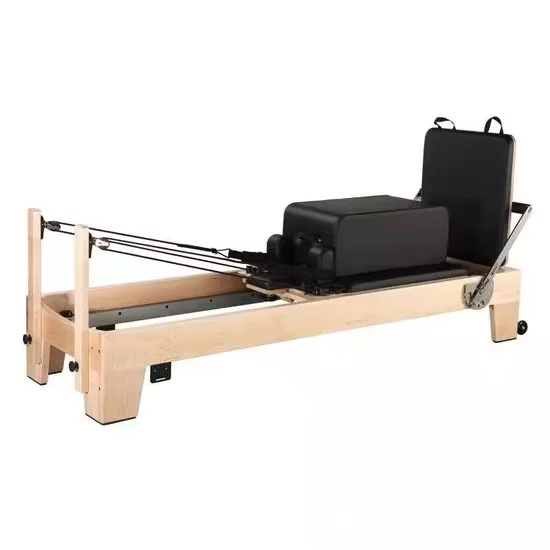
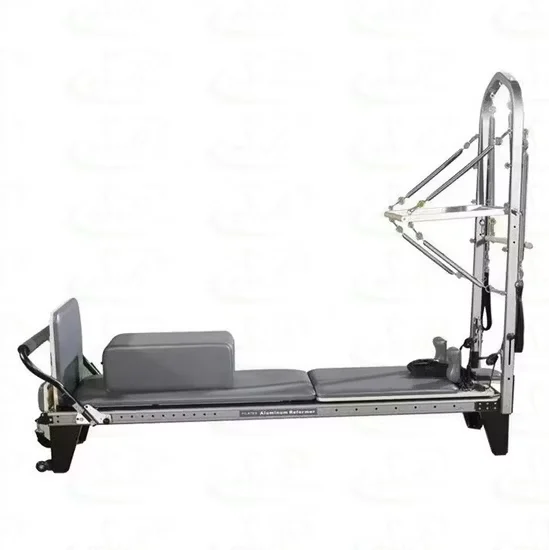
High-End Pilates Studios
Premium aesthetics meet quiet operation for boutique studio environments.
ISO
9001
CE
Certified
OEM
Available
10YR
Warranty
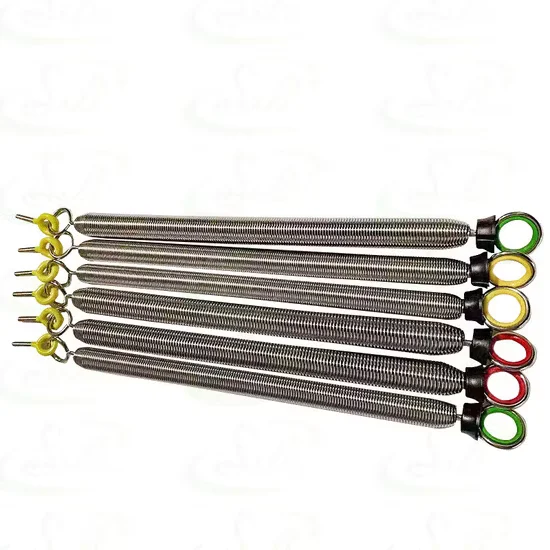
Pilates Reformer Replacement Springs, 2.2mm Wire Diameter, 450mm Coil Length — solid-color finish resists chipping under frequent studio handling, standardized dimensions ensure consistent tension across multi-reformer floors, 3-year warranty validates fatigue performance for high-volume class cycles. Every batch undergoes tension testing and dimensional verification before shipment.
Each production lot ships with certified spring rate data for uniform studio floor performance.
// Spec Highlights
• Direct from Manufacturer · No Middlemen · Worldwide Shipping
01
// Material
Imported Solid Wood
Premium hardwood frames sourced for density and visual warmth.
02
// Hardware
Medical-Grade Silent
Whisper-quiet pulleys and springs for clinical environments.
03
// Customization
Appearance OEM
Color, upholstery, and branding tailored to your studio.
04
// Service
Layout Design
Free venue planning for studios and rehab institutions.
Every component is selected for longevity, performance, and aesthetic harmony - from imported hardwood frames to silent medical-grade accessories.
// Features
Spring Tension Integrity — Every batch of Pilates reformer replacement springs undergoes tension curve verification to ensure consistent resistance profiles across high-traffic studio environments.
| Parameter | Value |
|---|---|
| Product Type | Pilates Reformer Springs (Accessory) |
| Wire Diameter | 2.2 mm |
| Free Length | 450 mm |
| Coil Diameter | 25 mm |
| Net Weight | 1.2 kg |
| Color | Solid Color |
| Logo | Customized |
| Target User | Adult / Unisex |
| Warranty | 3 Years |
| Facility Type | Typical Use |
|---|---|
| Commercial Pilates Studio | Routine spring replacement to maintain reformer resistance consistency across group class fleets |
| Yoga and Movement Studio | Upgrading worn springs on reformers used for daily mat-plus-apparatus hybrid sessions |
| Rehabilitation Center | Restoring calibrated tension on clinical reformers for controlled therapeutic movement protocols |
| Hotel and Resort Wellness Center | Maintaining reformer fleets in guest-facing fitness rooms with limited on-site maintenance staff |
| University Dance and Movement Department | Replacing fatigued springs on shared reformers used across multiple class sections daily |
Consistent spring rate across production batches is what keeps a multi-reformer studio floor running without constant manual recalibration.
Reformers in high-traffic studios experience hundreds of stretch cycles per day. Over time, springs lose their original tension profile — the resistance feels sluggish at the start of the pull and uneven through the range. Studio operators often attribute this to normal wear, but the root cause frequently traces back to inconsistent wire diameter and heat treatment during manufacturing [NEED_CITE: spring steel fatigue performance under cyclic tension loading]. When a Pilates reformer replacement spring arrives with even a slight dimensional deviation, the reformer’s resistance curve shifts, instructors spend class time adjusting equipment instead of teaching, and clients notice the inconsistency between machines.
The 2.2 mm wire diameter and 450 mm free length position these Pilates reformer replacement springs within the medium-to-heavy resistance range commonly used for lower body and torso work on the carriage. In a studio configured with multiple reformers, having matching spring rates across the fleet means instructors can cue the same resistance setup for an entire class without compensating for machine-to-machine variation. These springs work alongside the existing pulley and rope systems on standard reformer frames, restoring the original tension feel rather than altering the movement dynamic.
A reformer in a busy studio may see eight to twelve classes per day, with each participant performing dozens of spring-loaded repetitions. The dominant stress on long springs is axial tension fatigue — repeated elongation and return across thousands of cycles per week [NEED_CITE: axial fatigue life of music wire and stainless spring steel under repeated extension]. The primary failure modes are permanent set, where the spring no longer returns to its free length, and surface micro-cracking at the coil ends where stress concentrates during full extension. Coating integrity also matters: flakes from a deteriorating finish can lodge in the spring anchor points and create noise or uneven travel during use.
The 2.2 mm wire diameter governs the spring’s stiffness — thicker wire produces a steeper resistance curve that loads more aggressively as the carriage moves away from the anchor point. The 450 mm free length and 25 mm coil diameter together define the total available travel and the number of active coils sharing the load. Fewer active coils concentrate stress and accelerate fatigue; more coils distribute it but require longer housing clearance. The solid-color surface treatment provides a uniform finish that resists chipping from repeated handling during class setup changes, and avoids the flaking associated with thin electroplated coatings exposed to sweat and cleaning agents.
Springs sourced purely on unit price often cut corners on wire material grade and post-coiling heat treatment. The result is a component that meets the dimension spec on arrival but loses tension within weeks of commercial use. Studio operators end up replacing springs more frequently, paying more in total cost of ownership than if they had specified fatigue-rated wire from the start [NEED_CITE: total cost of ownership for consumable tension components in commercial fitness environments]. Beyond direct replacement cost, inconsistent springs force instructors to modify class choreography around uneven equipment, degrading the client experience and retention.
The 2.2 mm wire is drawn from spring-grade steel stock selected for cyclic tension performance, not static load capacity. Each production run undergoes dimensional verification on wire diameter, free length, and coil count to keep batch-to-batch variation within tolerance. The 3-year warranty reflects the expected service life under commercial studio repetition volumes. The solid-color finish is applied to withstand daily handling, cleaning solution exposure, and the friction of spring changes during class transitions. Logo customization is available for studios that want branded consistency across their apparatus fleet.
Provide your reformer make and model along with fleet count so we can confirm anchor compatibility and spring rate alignment. Share your average daily class volume and participant count to determine whether the 2.2 mm specification matches your tension requirements or if a different wire gauge is appropriate. Specify any custom color or logo requirements to align the springs with your studio’s visual identity.
Q: How do I know when my reformer springs need replacement?
A: The most reliable indicators are visible: the spring no longer returns to its original free length when unloaded, the resistance feel becomes inconsistent through the carriage travel, or you see surface cracking near the end hooks. In a commercial studio, schedule dimensional checks quarterly — measure free length against the original spec and replace any spring showing permanent elongation.
Q: Does wire diameter affect the resistance feel during exercises?
A: Yes. A 2.2 mm wire produces a specific stiffness curve that determines how aggressively the spring loads as the carriage moves. Thicker wire increases resistance per unit of travel, making the movement feel heavier toward the end range. Matching the original wire diameter when replacing springs preserves the resistance profile the reformer was designed around and keeps class instruction consistent.
Q: Why choose solid-color finish over plated springs for a studio?
A: Plated finishes on springs tend to chip and flake under repeated handling and exposure to sweat and cleaning chemicals. Solid-color coatings are applied as a continuous layer that resists abrasion during spring changes between classes. The result is a longer-lasting appearance and no coating debris migrating into the spring anchor hardware or onto the reformer carriage surface.
Q: How do I maintain batch consistency when ordering replacement springs for multiple reformers?
A: Specify that your supplier provides tension test data per production batch, including spring rate and free length measurements. When you receive a new shipment, install springs from the same batch on the same reformer. This prevents machine-to-machine resistance variation that instructors and clients notice during group classes where participants rotate between stations.
Premium aesthetics meet quiet operation for boutique studio environments.
Medical-grade silence and precision for sports & postpartum recovery.
Furniture-grade craftsmanship for premium residential installations.
Compact premium setups for one-on-one and small-group training.
Aesthetic Pilates integration for hybrid wellness studio programming.
Multi-unit deployment with instructor-grade reliability for certification programs.
Tell us about your project. Our team will respond within 24 hours with pricing, customization options, and shipping details.
// Sales Director
William
+86 132 2531 1800
// Export Manager
Bella
+86 198 5412 8032
william@bickfit.com