01 / Scenario
STUDIO
P
High-End Pilates Studios
Premium aesthetics meet quiet operation for boutique studio environments.

ISO
9001
CE
Certified
OEM
Available
10YR
Warranty
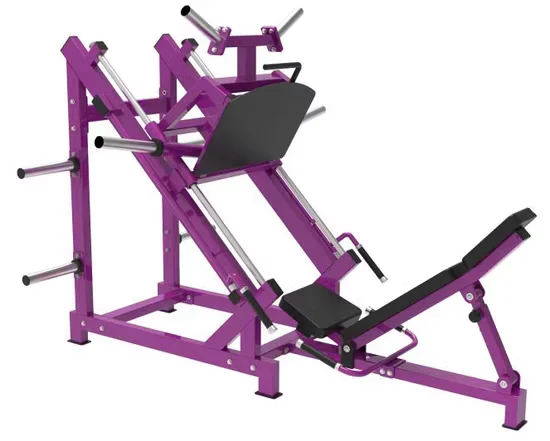
Plate Loaded Incline Chest Press, 3×3 Inch Frame Steel, Plate Loaded Resistance — engineered with robotic MIG continuous welding to eliminate spot-weld fatigue under repeated heavy pressing in high-traffic commercial environments. The plate-loaded mechanism removes weight stacks, pulleys, and cables, reducing maintenance demands while delivering pure resistance for chest-focused strength training. Every unit undergoes individual load testing before shipment, backed by a 10-year frame warranty and factory-direct floor planning support.
// Spec Highlights
• Direct from Manufacturer · No Middlemen · Worldwide Shipping
01
// Material
Imported Solid Wood
Premium hardwood frames sourced for density and visual warmth.
02
// Hardware
Medical-Grade Silent
Whisper-quiet pulleys and springs for clinical environments.
03
// Customization
Appearance OEM
Color, upholstery, and branding tailored to your studio.
04
// Service
Layout Design
Free venue planning for studios and rehab institutions.
Every component is selected for longevity, performance, and aesthetic harmony - from imported hardwood frames to silent medical-grade accessories.
// Features
Traceable Mill Steel — Every frame tube originates from certified Q235/Q345 coils with documentation traceable to the rolling mill, not just a supplier warehouse.
| Parameter | Value |
|---|---|
| Product Type | Plate Loaded Incline Chest Press |
| Frame Steel Gauge | 11-gauge |
| Frame Tube Size | 3×3 inch |
| Steel Grade | Q235 / Q345 industrial steel, mill-certified |
| Welding Type | Robotic MIG, continuous weld lines |
| Loading Type | Plate loaded |
| Exercise Part | Chest (incline pressing plane) |
| Product Dimensions | 1411×1286×1559mm |
| Net Weight | 69kg |
| Powder Coating | Sandblast pre-treatment, 200μm scratch-resistant finish |
| Main Frame Color | Customizable per customer requirements |
| Cushion Color | Customizable per customer requirements |
| OEM/ODM | Acceptable |
| Certification | ISO 9001:2015, CE |
| Warranty | 10-year frame warranty |
| Facility Type | Typical Use |
|---|---|
| Commercial gym strength floor | Primary incline pressing station in the plate loaded zone |
| Hotel and resort fitness center | Heavy-duty chest press for high-turnover guest use |
| University strength and conditioning room | Incline pressing for athletic performance programs |
| CrossFit box functional zone | Supplemental strength station alongside rigs and free weights |
| Rehabilitation and performance center | Controlled incline pressing for return-to-training protocols |
Heavier gauge steel resists flex at the peak stress point of the pressing arc, where the frame absorbs the combined load of plates and user force.
Suppliers often quote "commercial grade" without specifying wall thickness or tube dimensions. When a gym runs hundreds of pressing sets per day, undersized tubes develop micro-deflection at the weld joints. Over months, that deflection becomes visible deformation — and eventually a structural failure that puts liability on the facility operator. [NEED_CITE: structural steel fatigue classification under cyclic loading] A verifiable 11-gauge specification with 3×3 inch tubing gives procurement teams a measurable benchmark instead of a marketing claim.
This machine targets the upper pectoral and anterior deltoid chain along an inclined pressing path, filling the gap between flat bench and overhead press stations. In a commercial strength floor, it complements flat and decline plate loaded presses to give members full chest development coverage without redundant movement patterns. The fixed incline geometry suits a wide range of user body sizes, making it appropriate for facilities serving general membership populations alongside athletic training groups. The compact footprint of the commercial plate loaded incline chest press allows tight integration into multi-station pressing clusters without sacrificing safe loading clearance.
Every incline press set generates both static load from the plates and dynamic impact when users re-rack or unload unevenly. [NEED_CITE: EN 957 structural requirements for stationary training equipment] The frame joints near the seat rail and the horn base experience the highest stress concentration across thousands of weekly cycles. Continuous robotic MIG welds distribute that fatigue load across the entire joint length rather than concentrating it at discrete spot-weld points. The powder coating at plate horn contact zones must withstand repeated scraping from loaded plates, while sweat and cleaning chemicals attack the finish at grip and seat contact areas daily.
The 11-gauge wall thickness paired with 3×3 inch tube dimensions creates a frame section that resists torsional flex when users load plates unevenly across the horns. Robotic MIG welding produces continuous bead lines that eliminate the cold joints and incomplete penetration common in manual spot-welded assemblies. Sandblast pre-treatment before the 200μm powder coat application removes mill scale and creates mechanical adhesion, preventing chip-out at high-contact zones where plates slide on and off the horns. The plate loaded mechanism itself removes cables, pulleys, and weight stack guide rods from the equation — fewer wear components means fewer maintenance interventions in a high-traffic environment.
Thin-wall tubing may pass a static load test but deforms progressively under repeated off-center plate loading, shifting the pressing geometry and creating uneven joint stress for users. Spot-welded joints that look clean in showroom photos fail at the weld boundary after months of cyclic loading, often without visible warning. [NEED_CITE: weld classification and fatigue performance in structural steel] Non-industrial powder coatings chip at plate contact points within the first year, exposing bare steel to sweat-driven corrosion. When upholstery compresses and splits under commercial use frequency, replacement parts from suppliers without spare part programs leave machines looking worn and neglected on the strength floor.
Mill-certified Q235/Q345 steel with traceable coil origin means the frame material is documented, not just described. Robotic MIG continuous welding on every joint eliminates the spot-weld weak points that cause field failures under heavy pressing loads. Each unit undergoes individual load testing before shipment rather than relying on sample-based quality checks. The 200μm industrial powder coating over sandblast pre-treatment protects the frame through years of plate contact and chemical cleaning. The 10-year frame warranty reflects confidence in structural longevity. Floor planning CAD support ensures the 1411×1286mm footprint integrates into your strength zone with proper safety clearances between adjacent stations. OEM customization allows frame and cushion color matching to your facility branding.
Provide your strength zone floor area and existing equipment list so we can generate a 2D or 3D layout showing this press integrated with proper safety clearances. Specify your expected daily user volume to confirm the structural grade matches your traffic profile. Share your member demographic and body size range to verify the fixed incline geometry suits your population. Indicate any custom requirements including frame color, cushion color, or logo application for OEM branding.
Q: How do I tell a true commercial plate loaded machine from a light-commercial one?
A: Request the specific frame steel gauge and tube dimensions with mill certification, not just a "commercial grade" label. Inspect the weld pattern — continuous MIG welds along the full joint length indicate structural intent, while spot welds at intervals suggest cost reduction. Verify that load testing is performed on every unit rather than on a sample basis. [NEED_CITE: EN 957 classification of commercial versus light-commercial equipment]
Q: What does 11-gauge steel actually mean for long-term durability?
A: 11-gauge refers to the wall thickness of the frame tubing, which directly determines how much the frame resists flex under heavy plate loads. Thicker walls maintain structural alignment across thousands of pressing cycles, preventing the progressive deformation that shifts movement geometry and creates uneven stress on user joints. It also provides more material for weld penetration, producing stronger joint connections.
Q: Plate loaded versus selectorized — which is better for a high-traffic gym?
A: Plate loaded machines have fewer moving parts — no cables, pulleys, or weight stack guide rods to wear out under constant use. This means lower maintenance burden and higher uptime in facilities with heavy daily traffic. Selectorized machines offer quick weight changes for members but require regular cable and pulley inspection. Many commercial operators place both types across different zones based on user preference and maintenance capacity.
Q: How should I plan spacing around this machine in a commercial strength zone?
A: Account for the full 1411×1286mm footprint plus clearance for plate loading on both horns and user entry from the seat side. Adjacent machines need enough gap that a member loading plates does not interfere with someone using the next station. Request a CAD layout from the manufacturer that maps safe clearance zones based on your specific floor dimensions and equipment mix.
Premium aesthetics meet quiet operation for boutique studio environments.
Medical-grade silence and precision for sports & postpartum recovery.
Furniture-grade craftsmanship for premium residential installations.
Compact premium setups for one-on-one and small-group training.
Aesthetic Pilates integration for hybrid wellness studio programming.
Multi-unit deployment with instructor-grade reliability for certification programs.
Tell us about your project. Our team will respond within 24 hours with pricing, customization options, and shipping details.
// Sales Director
William
+86 132 2531 1800
// Export Manager
Bella
+86 198 5412 8032
william@bickfit.com