01 / Scenario
STUDIO
P
High-End Pilates Studios
Premium aesthetics meet quiet operation for boutique studio environments.

ISO
9001
CE
Certified
OEM
Available
10YR
Warranty
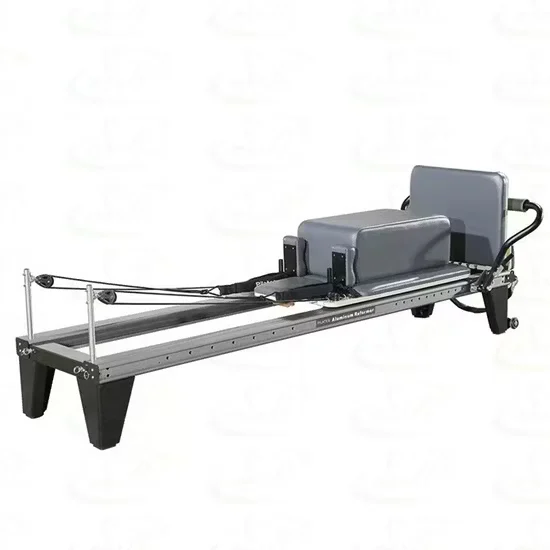
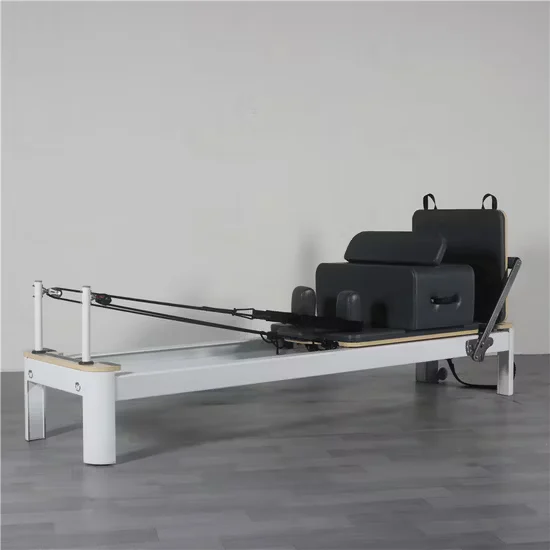
Aluminum Pilates Reformer, 2570×730×1100mm, 110kg Net Weight — aircraft-grade aluminium alloy carriage and rail system resists corrosion and maintains dimensional stability under repeated spring tension cycles in humid studio environments. Includes long box, jump board, and platform with standardized mounting interfaces for seamless class transitions. Backed by a 3-year frame warranty with full accessory ecosystem included for immediate studio deployment.
// Spec Highlights
• Direct from Manufacturer · No Middlemen · Worldwide Shipping
01
// Material
Imported Solid Wood
Premium hardwood frames sourced for density and visual warmth.
02
// Hardware
Medical-Grade Silent
Whisper-quiet pulleys and springs for clinical environments.
03
// Customization
Appearance OEM
Color, upholstery, and branding tailored to your studio.
04
// Service
Layout Design
Free venue planning for studios and rehab institutions.
Every component is selected for longevity, performance, and aesthetic harmony - from imported hardwood frames to silent medical-grade accessories.
// Features
Aluminium Frame Stability — Aircraft-grade alloy rails maintain dimensional tolerance across repeated spring tension cycles, preventing carriage drift in daily studio operation.
| Parameter | Value |
|---|---|
| Product Type | Pilates Reformer |
| Material | Aluminium Alloy |
| Product Dimensions | 2570×730×1100mm |
| Net Weight | 110kgs |
| Accessory Configuration | Long Box, Jump Board, Platform |
| Color Option | Black |
| Customization | Logo and color available on request |
| Warranty | 3 Years |
| Target User | Adult, Unisex |
| Facility Type | Typical Use |
|---|---|
| Pilates studio | Group reformer classes and private sessions |
| Rehabilitation and physical therapy center | Controlled resistance recovery programming |
| Boutique fitness studio | Mixed-format barre and reformer circuits |
| Hotel and resort wellness facility | Guest-access Pilates and flexibility sessions |
Carriage drift is a rail tolerance problem, not a maintenance problem.
Many reformers marketed as commercial grade use thin-wall steel rails that warp under daily spring tension cycles, causing the carriage to pull to one side and unevenly wear ropes within the first year of studio use. Operators notice the symptom — a carriage that no longer glides true — but the root cause sits in the rail cross-section and alloy specification that was never disclosed at point of purchase. Once a rail deforms past tolerance, no amount of wheel adjustment recovers the original glide path [NEED_CITE: EN 957 structural requirements for stationary training equipment].
The 2570×730mm footprint positions this commercial aluminum pilates reformer as a mid-footprint unit suitable for side-by-side studio rows with adequate instructor walkway clearance. The movement plane covers supine, prone, and seated positions, engaging core stabilizers, hip flexors, and lower limb musculature through spring-loaded linear resistance. It pairs naturally with tower or cadillac units for programming variety in studios running tiered class formats. The platform and long box accessory configuration supports both mat-transition exercises and plyometric jump board work without requiring equipment swaps between class segments.
Static spring loads on a reformer may appear modest, but the eccentric deceleration phase at end-range — when the carriage reverses direction under full spring tension — concentrates stress at the rail mounting points and carriage wheel axles. In a studio running six classes daily, that reversal cycle repeats thousands of times per week. Aluminium alloy resists the surface corrosion that degrades painted mild steel rails in humid studio environments, where sweat aerosol and cleaning chemicals accelerate oxidation at contact points [NEED_CITE: material fatigue performance under cyclic loading in fitness environments]. The wheel-to-rail interface determines whether smooth glide degrades into lateral play over months of use.
Aluminium alloy construction provides a weight-to-rigidity ratio that keeps the 110kg unit stable under dynamic use without the mass penalty of steel framing. The 2570mm rail length accommodates full-range leg press and long-stretch series exercises for taller users without the carriage bottoming out. Accessory mounting points for the long box, jump board, and platform follow standardized attachment interfaces, meaning format changes between classes require seconds rather than tools. Three-year warranty coverage signals the manufacturer’s confidence in rail straightness retention and spring fatigue life under commercial cycling. Black powder-coated finish provides surface protection against the cleaning agents and perspiration residues that accumulate in multi-user studio environments.
Thin-wall mild steel rails save material cost upfront but introduce carriage drift, uneven rope wear, and eventual rail replacement that takes the unit offline for days. Non-anodized aluminium without proper alloy certification oxidizes at mounting bolt holes, creating looseness that mimics bearing failure. Low-grade springs lose tension calibration within months, forcing instructors to compensate with verbal cues rather than relying on consistent resistance across identical reformer units. When accessory mounting points lack standardized tolerances, jump boards and long boxes from one unit do not fit another, preventing operators from swapping accessories to balance wear across the studio floor [NEED_CITE: total cost of ownership analysis for commercial fitness equipment].
Aluminium alloy sourcing with certified traceability ensures consistent grain structure across production batches, which directly affects how the rail behaves under repeated spring tension cycles. Precision cutting at tight tolerances keeps rail mounting holes aligned, preventing the lateral stress that accelerates wheel bearing wear. Every unit undergoes load testing before shipment — not sample-based QC on a production run, but individual verification that the carriage glides true under rated resistance. Industrial powder coating applied at adequate thickness resists the chemical cleaning agents used between studio classes. OEM customization for logo and color allows studio operators to maintain brand consistency across their equipment fleet without compromising structural specification.
Provide your studio floor dimensions and target reformer count to receive a 2D-3D layout showing safe clearance zones and instructor sightlines. Specify your expected daily class volume so we can confirm whether this aluminium configuration matches your structural durability requirements. Confirm the height range of your primary user population to verify that the 2570mm rail length accommodates full-range exercises without carriage bottom-out. Share any branding requirements — custom logo placement or color matching — so we can quote OEM configuration options alongside base pricing.
Q: How do I distinguish a commercial-grade Pilates reformer from a light-commercial one?
A: Check the rail material specification and alloy grade certification rather than relying on marketing labels. Commercial units use aluminium alloy or heavy-gauge steel with documented load testing on each unit. Look for warranty terms that separately cover the frame, springs, and soft goods, and confirm that accessory mounting points follow standardized tolerances for cross-unit interchangeability.
Q: What are the trade-offs between aluminium and steel reformer frames?
A: Aluminium alloy offers corrosion resistance in humid studio environments and reduces unit weight for repositioning during floor plan changes. Steel frames provide higher mass-based stability but require protective coatings to prevent oxidation from perspiration and cleaning chemicals. Both materials perform adequately when properly specified — the failure point is thin-wall construction in either material rather than the alloy choice itself.
Q: Which accessories are necessary for a full studio class offering?
A: A long box enables seated and supine arm series work. A jump board adds plyometric cardiovascular intervals to reformer classes. A platform extends the foot surface for standing exercises. Configuring all three accessories allows instructors to run progressive programming without requiring participants to move between different apparatus types during a single class session.
Q: What maintenance intervals should I plan for high-traffic daily use?
A: Inspect carriage wheel bearings and rail surfaces quarterly for lateral play or uneven wear patterns. Check spring tension calibration monthly, as springs lose consistency at different rates depending on cycling frequency. Wipe rails with pH-neutral cleaner after each class day to prevent chemical residue buildup. Replace ropes and springs based on documented fatigue thresholds rather than waiting for visible fraying.
Premium aesthetics meet quiet operation for boutique studio environments.
Medical-grade silence and precision for sports & postpartum recovery.
Furniture-grade craftsmanship for premium residential installations.
Compact premium setups for one-on-one and small-group training.
Aesthetic Pilates integration for hybrid wellness studio programming.
Multi-unit deployment with instructor-grade reliability for certification programs.
Tell us about your project. Our team will respond within 24 hours with pricing, customization options, and shipping details.
// Sales Director
William
+86 132 2531 1800
// Export Manager
Bella
+86 198 5412 8032
william@bickfit.com