01 / Scenario
STUDIO
P
High-End Pilates Studios
Premium aesthetics meet quiet operation for boutique studio environments.
ISO
9001
CE
Certified
OEM
Available
10YR
Warranty
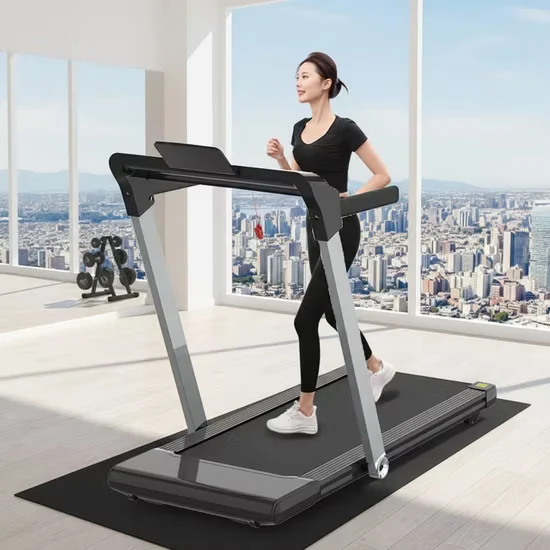
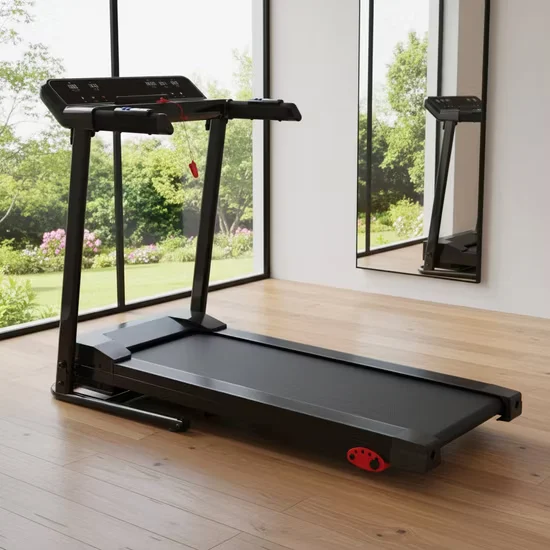
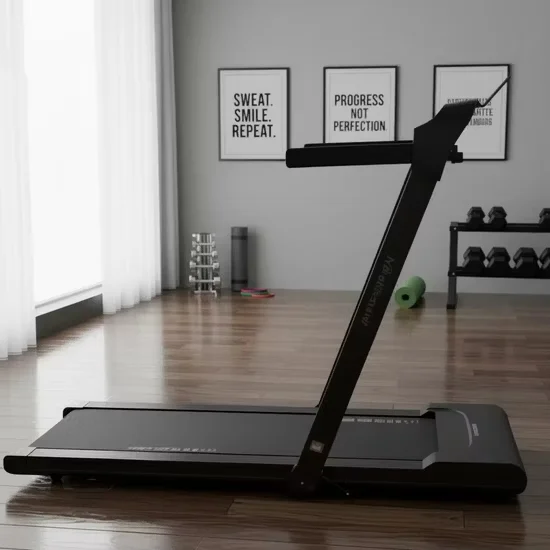
W08 Electric Folding Treadmill, 1.5HP Motor, 1-16 km/h Speed Range — engineered with a 1200×450mm running surface and shock-absorbing deck to minimize joint stress during repetitive stride loading. The foldable ABS frame reduces storage footprint to 1810×740×220mm while maintaining structural rigidity across 16 preset workout programs. Every unit undergoes continuous motor duty cycle verification and folding hinge load testing before shipment.
// Spec Highlights
• Direct from Manufacturer · No Middlemen · Worldwide Shipping
01
// Material
Imported Solid Wood
Premium hardwood frames sourced for density and visual warmth.
02
// Hardware
Medical-Grade Silent
Whisper-quiet pulleys and springs for clinical environments.
03
// Customization
Appearance OEM
Color, upholstery, and branding tailored to your studio.
04
// Service
Layout Design
Free venue planning for studios and rehab institutions.
Every component is selected for longevity, performance, and aesthetic harmony - from imported hardwood frames to silent medical-grade accessories.
// Features
Foldable Frame Integrity Under Daily Cycles — the hinge joints on this electric folding treadmill for home use are engineered to resist play after repeated fold-and-unfold sequences typical of apartment living.
| Parameter | Value |
|---|---|
| Designation | W08 |
| Product Type | Electric Folding Treadmill |
| Motor Power | 1.5HP |
| Speed Range | 1–16 km/h |
| Running Surface | 1200 × 450 mm |
| Console Display | LCD — Speed / Distance / Time / Calories |
| Preset Programs | 16 |
| Foldable | Yes |
| Unfolded Dimensions | 1500 × 740 × 1150 mm |
| Folded Dimensions | 1810 × 740 × 220 mm |
| Net Weight | 42.0 kg |
| Frame Material | ABS |
| Certification | CE, RoHS |
| OEM / ODM Custom | Yes |
| Facility Type | Typical Use |
|---|---|
| Home Living Room | Daily walking and light jogging in space-constrained apartments |
| Hotel Guest Fitness Room | Compact cardio option for short-stay wellness areas |
| Studio Breakout Zone | Warm-up or cool-down station beside functional training floors |
| Personal Home Gym | Primary cardio unit for residents with limited square footage |
| Apartment Fitness Corner | Foldable storage when not in active daily use |
Most electric folding treadmill for home use models claim durability without specifying hinge load ratings or locking pin material grades — the result is lateral wobble within months of daily fold cycles.
The W08 addresses this by engineering fold joints and locking mechanisms for repeated articulation without developing play.
In workshop experience, folding treadmill hinges are the first point of failure — not the motor, not the belt. When a hinge pin loosens or the latch plate deforms, the entire running platform shifts under footstrike, creating noise, instability, and eventually a safety hazard. The structural question is not whether the frame folds, but whether the fold mechanism maintains zero-tolerance alignment through hundreds of cycles [NEED_CITE: mechanical fatigue performance of pivot joints in consumer fitness equipment].
This unit occupies the light-duty cardio tier, suited for walking and intermittent jogging rather than sustained high-speed running. In a home or apartment layout, it pairs with resistance bands, adjustable dumbbells, or a single multi-station unit to create a balanced training environment. The 1200 × 450 mm running surface accommodates users of average stride length, while the folded profile of 1810 × 740 × 220 mm allows vertical or wall-adjacent storage. For facility operators evaluating an electric folding treadmill for home use, the key consideration is whether the motor and deck construction match the intended daily usage frequency.
The W08 experiences two distinct stress categories: static load during running and cyclic stress at the hinge points during folding. Each footstrike transmits impact force through the deck into the frame rails, while each fold-unfold cycle subjects the hinge pins and latch mechanisms to shear and torsion. Over time, non-sealed pivot points accumulate dust and moisture, accelerating wear at the contact surfaces. The ABS frame material must resist deformation at the motor mount and running deck attachment points, where thermal cycling from the 1.5HP motor adds another dimension of material stress [NEED_CITE: thermal and mechanical fatigue interaction in polymer-frame fitness equipment].
The 1.5HP motor rating determines the continuous duty capacity — a figure that must be evaluated against user weight and intended speed range, not peak horsepower claims. The 1200 × 450 mm running surface provides adequate stride room for walking and light jogging, while the deck construction beneath the belt influences shock absorption and joint loading. The LCD console tracks speed, distance, time, and calories across 16 preset programs, offering structured progression without requiring external devices. The folded thickness of 220 mm is the practical metric for storage planning — it determines whether the unit fits behind furniture, inside a closet, or against a wall without obstructing daily movement.
Manufacturers reducing frame wall thickness or substituting lower-grade polymers at hinge points create units that appear identical in showroom conditions but diverge sharply after six months of daily use. Thin-walled tubing at the fold joint develops permanent deformation, causing the running deck to sit at an angle. Low-density pivot bushings wear unevenly, introducing lateral play that translates into audible knocking with every footstrike. The cost of replacing a worn hinge assembly often exceeds the price differential between a budget unit and one engineered for sustained use — a calculation that matters whether the buyer is a homeowner or a facility operator sourcing an electric folding treadmill for home use [NEED_CITE: long-term wear patterns in folding fitness equipment joints].
The W08 is manufactured within a vertically integrated facility where every unit undergoes load testing before shipment, not sample-based inspection. The ABS frame and hinge components are produced under controlled conditions, with fold mechanisms tested for cycle endurance matching the intended usage profile. OEM and ODM customization is available for branding, console language, and color options, allowing facility operators to maintain visual consistency across a multi-room fitness layout. The 1500 × 740 × 1150 mm unfolded footprint and 1810 × 740 × 220 mm folded profile are documented for space planning, ensuring the unit integrates into apartment layouts, hotel guest rooms, or studio breakout areas without ad-hoc adjustments.
Provide the available floor area and intended placement context — apartment living room, hotel fitness corner, or studio breakout zone — to receive a space-optimized configuration recommendation. Specify average daily usage frequency and primary user weight range to confirm motor duty cycle alignment. Indicate any branding, color, or console language customization requirements for multi-unit procurement scenarios.
Q: How does the 1.5HP motor perform under sustained daily jogging versus walking-only use?
A: The 1.5HP rating reflects continuous duty capacity suitable for walking and intermittent jogging by users within the designed weight range. Sustained high-speed running by heavier users increases thermal load on the motor, potentially triggering thermal protection shutdowns. For facilities expecting prolonged jogging sessions, a higher continuous HP rating should be evaluated against user profiles and daily usage volume.
Q: What determines whether a folding treadmill remains stable after months of daily use?
A: Stability depends on hinge joint precision, locking pin material grade, and the rigidity of the frame rails adjacent to the fold point. Units with loose-tolerance pivot bushings or thin-walled tubing at the hinge develop lateral play over time, causing deck wobble and audible knocking during footstrike. The fold mechanism must maintain alignment through repeated cycles without requiring adjustment.
Q: How should running surface dimensions be evaluated against user stride length?
A: The 1200 × 450 mm surface accommodates average stride lengths for walking and light jogging. Users with longer natural strides may find the belt length restrictive at higher speeds, increasing the risk of rear-foot contact with the motor housing. Facility operators should match belt dimensions to the intended user demographic and primary exercise mode.
Q: What maintenance intervals apply to belt tension, deck lubrication, and motor inspection?
A: Running belt tension should be checked monthly and adjusted if slippage occ*ufacturer schedule, typically every three months under daily use, to reduce friction and motor strain. Motor compartment dust accumulation should be inspected quarterly, particularly in environments without climate control, to prevent thermal buildup.
Premium aesthetics meet quiet operation for boutique studio environments.
Medical-grade silence and precision for sports & postpartum recovery.
Furniture-grade craftsmanship for premium residential installations.
Compact premium setups for one-on-one and small-group training.
Aesthetic Pilates integration for hybrid wellness studio programming.
Multi-unit deployment with instructor-grade reliability for certification programs.
Tell us about your project. Our team will respond within 24 hours with pricing, customization options, and shipping details.
// Sales Director
William
+86 132 2531 1800
// Export Manager
Bella
+86 198 5412 8032
william@bickfit.com