Smith Machine for Cruise Ship Gyms | Bick OEM Manufacturer
Standard commercial gym equipment is not built to survive the marine environment.
Selecting a Smith Machine for Cruise Ship Gyms requires prioritizing marine-grade anti-corrosion coatings, structural reinforcement against vessel vibration, and strict maritime fire safety certifications over aesthetic finishes or standard commercial warranties. Failure to address salt spray exposure and dynamic rolling loads will result in rapid mechanical seizure, safety liabilities, and costly mid-voyage replacements that far exceed the initial procurement savings.
I still remember the silence on the phone when the procurement manager from a mid-sized European cruise line called me back three months after installation. They had ordered a full suite of strength equipment for their new flagship, including several units of what they thought was a high-end Smith Machine for Cruise Ship Gyms. On paper, the specs looked perfect: heavy-gauge steel, chrome-plated guide rods, and smooth linear bearings. But the sea does not care about showroom polish. Within weeks of leaving port, the constant humidity and salt aerosol began to eat through the standard chrome plating. By the second month, passengers were complaining that the barbell felt "sticky" at the bottom of the squat. By the third month, two machines were completely seized. The ship had to dock early for repairs, and the cost of replacing the entire batch—including logistics, labor, and lost passenger goodwill—was staggering. That incident taught me that land-based fitness standards are irrelevant offshore. You are not just buying a machine; you are buying survival against one of the most hostile industrial environments on earth.
Why Do Standard Smith Machines Fail at Sea?
The core reason standard equipment fails is that it is designed for static, climate-controlled environments, whereas a cruise ship is a dynamic, corrosive ecosystem. Most buyers assume that "commercial grade" means "durable enough for anything," but this is a dangerous misconception. [NEED_CITE: difference between ISO 9227 salt spray test standards for indoor vs. marine outdoor equipment]
In a land-based gym, the primary wear factors are user frequency and friction. On a cruise ship, you add two critical variables: salt spray and vessel motion. Salt air is highly conductive and corrosive. It penetrates microscopic gaps in standard chrome plating or thin paint jobs, attacking the underlying steel. Once corrosion starts on the guide rods of a Smith Machine for Cruise Ship Gyms, it creates rough spots that destroy the linear bearings or bushings. This leads to the "seizing" effect that endangers users.
Furthermore, a ship is never truly still. Even in calm seas, there is constant micro-vibration and occasional rolling. Standard machines have narrow footprints designed to save floor space in urban gyms. On a ship, this narrow base acts as a lever during a roll, causing the frame to shake or even tip if not properly anchored. I once inspected a retrofit project where the frames were bolted down, but the welds cracked due to the constant flexing caused by the vessel’s movement. The structural integrity of the machine must account for dynamic loads, not just static weight.
What Are the Critical Marine-Grade Specifications?
When evaluating a Smith Machine for Cruise Ship Gyms, you must look beyond the cosmetic finish. The critical specifications lie in the coating technology and structural geometry. Many buyers instinctively reach for stainless steel, assuming it is the ultimate solution. However, high-grade marine powder coating over heavy-gauge steel often offers better impact resistance and cost-efficiency than bare stainless in humid, salty air. Stainless can still suffer from crevice corrosion if water gets trapped in joints, whereas a multi-layer powder coat provides a seamless barrier.
| Specification Feature | Standard Commercial Grade | Marine-Grade Requirement | Risk if Ignored |
|---|---|---|---|
| Coating Type | Electroplated Chrome or Thin Paint | Multi-Layer Marine Powder Coat (Epoxy/Polyester) | Rapid rusting, flaking, and aesthetic degradation |
| Guide Rod Material | Standard Chrome-Plated Steel | Hard-Chrome Over Corrosion-Resistant Alloy or Coated Stainless | Seizure due to pitting corrosion |
| Base Footprint | Narrow, Space-Saving Design | Widened Base with Reinforced Anchor Points | Instability during vessel roll, potential tipping |
| Weld Quality | Standard Cosmetic Welds | Full-Penetration Welds with Smooth Grind | Crack propagation under dynamic vibration loads |
| Upholstery | Standard Vinyl | Fire-Retardant, Anti-Microbial Marine Vinyl | Failure to meet safety codes, mold growth |
[NEED_CITE: ASTM B117 equivalent testing requirements for marine component durability]
The table above highlights the non-negotiable differences. Notice the emphasis on the base footprint. A standard machine might have a footprint of roughly 1.5 square meters. For a marine application, we often recommend expanding this by a significant margin to lower the center of gravity and provide more anchor points. This counters the lateral forces generated when the ship lists.
Another critical detail is the guide rod treatment. Standard chrome is thin and porous. Marine-grade rods require a thicker, harder coating that resists pitting. If the coating fails, the salt attacks the steel, creating rough spots that ruin the smooth glide. This is not just a maintenance issue; it is a safety hazard. A jerky bar path can cause injury, especially when users are fatigued.
Which Certifications Are Non-Negotiable for Cruise Lines?
Compliance is not optional in the maritime industry. While a CE mark might suffice for a gym in Berlin, it is insufficient for a vessel sailing international waters. Cruise ships are subject to strict regulations from classification societies like DNV or Lloyd’s Register, as well as the International Maritime Organization (IMO). [NEED_CITE: IMO SOLAS regulations regarding fire safety materials in public spaces]
The most common pitfall I see is the neglect of fire-retardant certifications for upholstery and padding. In a land-based gym, vinyl is chosen for durability and ease of cleaning. On a ship, every material must meet specific flame-spread and smoke-density indices. If your Smith Machine for Cruise Ship Gyms uses standard foam and vinyl, it will likely fail inspection. I recall a shipment that was held at port for weeks because the supplier could not produce the necessary fire-safety certificates for the seat pads. The delay cost the cruise line dearly in missed sailing dates.
Additionally, material toxicity is a concern. In the confined, recirculated air systems of a ship, off-gassing from low-quality plastics or adhesives can affect air quality. Certifications ensuring low VOC emissions are increasingly required by major cruise operators. These documents must be ready before production begins, not sourced retroactively. Working with a manufacturer who understands these regulatory landscapes is essential. They should be able to provide pre-certified documentation packages that align with major classification society guidelines.
How to Optimize Layouts for Limited Shipboard Space?
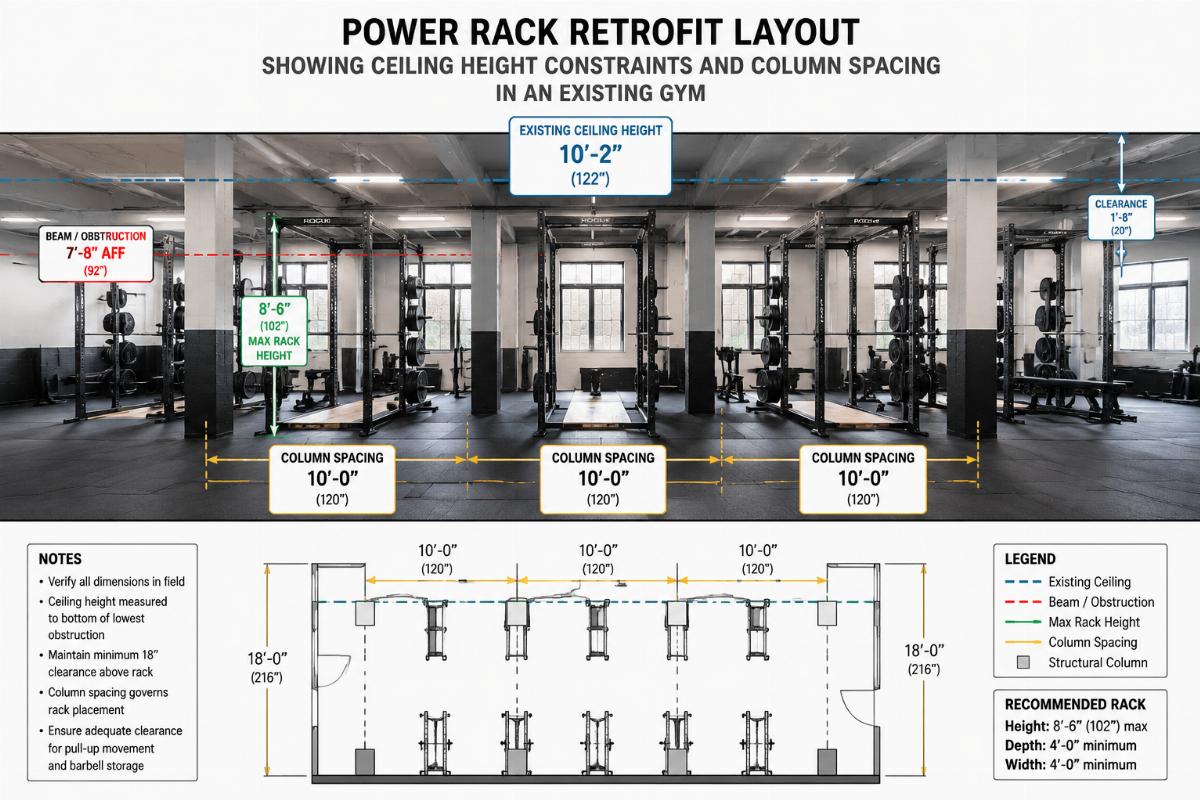
Space on a cruise ship is premium real estate. Every square meter must generate revenue or enhance guest experience. Therefore, the layout of the fitness center must be highly efficient. A bulky, oversized Smith Machine for Cruise Ship Gyms can dominate a room, limiting the placement of other high-demand cardio equipment.
The solution lies in compact, multi-functional designs. Modern marine-grade Smith machines can be integrated with cable crossover systems or functional training attachments. This reduces the need for separate standalone units, freeing up floor space for treadmills or views of the ocean—a key selling point for cruise guests. However, compactness should not compromise stability. The widened base mentioned earlier must be engineered to fit within tight spatial constraints without sacrificing the anchor points needed for safety.
When planning the layout, consider the flow of traffic. Cruise gyms often see peak usage in the early morning and late afternoon. Equipment should be arranged to allow easy access and spotting, even in a confined space. Vertical storage solutions for weights and accessories are also crucial to keep the floor clear. A cluttered gym feels smaller and less safe, especially when the ship is moving. By choosing equipment designed specifically for these constraints, you maximize the utility of the amenity deck.
Conclusion
Durability at sea is defined by preparation, not just construction.
Selecting the right Smith Machine for Cruise Ship Gyms demands a shift in mindset from aesthetic appeal to environmental resilience. Prioritize marine-grade coatings, reinforced structures for dynamic loads, and rigorous fire safety certifications. Ignoring these factors leads to premature failure and operational disruption. By focusing on these technical essentials, you ensure a safe, compliant, and long-lasting fitness environment for passengers.