01 / Scenario
STUDIO
P
High-End Pilates Studios
Premium aesthetics meet quiet operation for boutique studio environments.

ISO
9001
CE
Certified
OEM
Available
10YR
Warranty
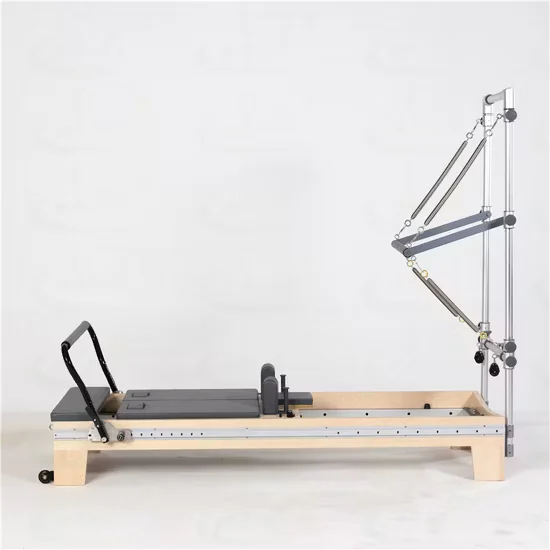
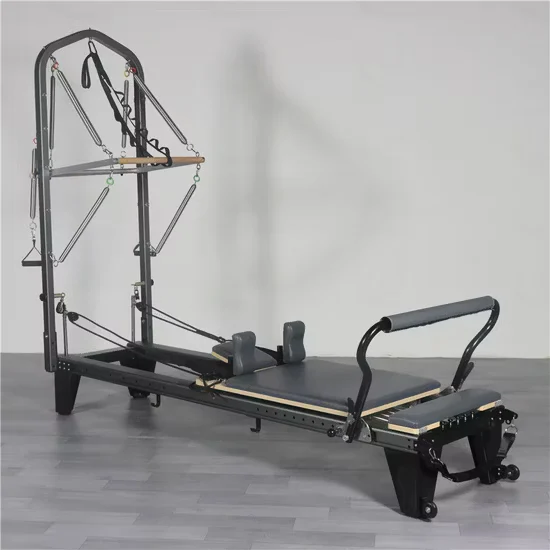
Portable Pilates Reformer, Aluminum Alloy Frame, 2550×680×350mm, 65kg Net Weight — foldable architecture with sealed rail and carriage system engineered for smooth glide under repetitive spring-loaded movement in high-traffic studio environments. Includes long box, jump board, and platform accessory integration with reinforced mounting interfaces. Backed by 3-year warranty and mill-certified aluminum alloy construction for corrosion resistance and structural rigidity.
// Spec Highlights
• Direct from Manufacturer · No Middlemen · Worldwide Shipping
01
// Material
Imported Solid Wood
Premium hardwood frames sourced for density and visual warmth.
02
// Hardware
Medical-Grade Silent
Whisper-quiet pulleys and springs for clinical environments.
03
// Customization
Appearance OEM
Color, upholstery, and branding tailored to your studio.
04
// Service
Layout Design
Free venue planning for studios and rehab institutions.
Every component is selected for longevity, performance, and aesthetic harmony - from imported hardwood frames to silent medical-grade accessories.
// Features
Continuous MIG Weld Integrity — Every aluminum alloy joint on this portable reformer is robotically welded to prevent the hinge play that plagues folding studio equipment under daily class use.
| Parameter | Value |
|---|---|
| Product Type | Pilates Reformer |
| Product Dimensions | 2550×680×350mm |
| Net Weight | 65kgs |
| Frame Material | Aluminum Alloy |
| Folding Design | Foldable |
| Accessory | Long Box / Jump Board / Platform |
| Color Options | Solid Color |
| Logo | Customized Is Allowed |
| Warranty | 3 Years |
| Target User | Adult, Unisex |
| Transport Package | Standard Wood Case |
| Facility Type | Typical Use |
|---|---|
| Boutique Pilates Studio | Multi-class daily throughput with compact storage between sessions |
| Yoga Studio | Reform-based conditioning classes requiring quick floor layout changes |
| Hotel Wellness Center | Stowable resistance equipment for flexible studio spaces |
| Home Studio | Personal practice with foldable footprint for multi-use rooms |
| Rehabilitation Clinic | Portable low-impact resistance work for patient recovery sessions |
Portable reformers live and die by their folding mechanism — not the frame tube.
I’ve seen studio owners replace entire reformer fleets within two years because the hinge joints developed lateral play that made the carriage wobble during loaded movement. The frame itself was fine; the folding pivot points were the failure origin. When a portable unit folds hundreds of times across its service life, the lock engagement repeatability and the structural continuity between folded and deployed states determine whether the carriage stays true on its rail or starts drifting under spring tension. [NEED_CITE: fatigue classification for folding structural joints under cyclic loading]
The commercial foldable pilates reformer aluminum alloy frame addresses this through a hinge architecture designed for daily class environments where equipment is deployed and stored multiple times per day.
This reformer handles the full sagittal and transverse plane work that defines group Pilates programming — footwork sequences, mid-back series, and long box pulling straps all transfer cleanly through the aluminum alloy frame into the floor without cantilever stress at the accessory mounting points. In a boutique studio running back-to-back classes, it pairs with mat zones and tower-based equipment to create rotation circuits that keep client throughput high. The 2550×680mm footprint fits standard studio bay spacing, and the foldable design means a 12-unit class room can collapse to clear the floor for mat-based sessions or events. The commercial foldable pilates reformer aluminum alloy configuration accommodates adult users across a broad height range with the long box and platform extending the working surface for taller clients.
Every deploy-and-stow cycle subjects the hinge mechanism to an impact load as the frame sections lock into alignment. In a studio running four classes daily with twelve reformers, that means dozens of fold cycles per unit per week — each one creating stress concentration at the pivot fasteners and the latch engagement surfaces. The carriage rail system endures a different fatigue path: repetitive spring-loaded travel in both directions, with wheel bearings accumulating micro-debris from studio flooring and cleaning chemicals. [NEED_CITE: bearing degradation pathways in high-traffic fitness environments] The jump board attachment introduces impulsive eccentric loading that transfers through the frame’s end section, testing whether the accessory mounting interface distributes force into the main rail structure or creates localized stress at the bolt pattern. Sweat exposure and daily chemical disinfection accelerate coating breakdown on contact surfaces, which is why aluminum alloy’s inherent corrosion resistance matters far more than painted steel in this application class.
The frame material designation as aluminum alloy requires verification of the specific alloy grade and temper condition — generic claims offer no structural predictability. Alloy designation and temper directly govern the weight-to-rigidity ratio that determines whether the carriage rail stays straight under loaded movement or develops a measurable deflection that causes the wheels to bind. Rail straightness tolerance is the parameter that separates a reformer gliding smoothly through its thousandth class from one requiring manual carriage realignment after weeks of use. The sealed bearing versus bushing distinction governs maintenance intervals: sealed units resist studio dust and cleaning fluid infiltration that would otherwise degrade glide performance over time. The folding hinge lock mechanism must maintain positive engagement repeatability — meaning the frame returns to the same alignment geometry every single time it is deployed, not just most of the time. Accessory mounting interfaces for the long box and jump board must transfer load into the primary frame structure rather than relying on cantilever strength at the attachment bracket alone. The commercial foldable pilates reformer aluminum alloy build prioritizes these structural verifications over surface-level material claims.
Thin-walled aluminum tubing saves weight on the spec sheet but introduces flex under loaded carriage movement that compromises rail alignment and long-term glide smoothness. Non-sealed bushings in the carriage wheels pass initial quality checks but develop play within months as studio dust and cleaning residue infiltrate the bearing surface. A folding latch mechanism built without cycle-test validation will feel solid for the first few weeks before wear at the engagement surface introduces carriage wobble that clients notice immediately. [NEED_CITE: structural failure patterns in portable fitness equipment under commercial use] Low-density upholstery on the carriage platform compresses permanently under daily class use, requiring replacement far sooner than the frame itself wears out. When folding hinges use non-standard fastener sizes, replacement parts become unavailable once the original supplier discontinues the configuration — turning a repairable unit into a disposal problem.
The aluminum alloy frame delivers corrosion resistance that painted steel cannot match in studio environments where humidity and daily chemical cleaning are constant. Every weld on the frame structure uses continuous bead patterns rather than spot-welded joints that create failure points under cyclic loading. Each unit undergoes load testing before shipment — not sample-based testing from a production batch, but individual verification that the carriage rail system and folding mechanism perform under stress. The industrial-grade powder coating resists chipping at contact points where accessories mount and dismount repeatedly. The 3-year warranty reflects the structural confidence in the frame, hinge, and rail system surviving high-traffic studio scheduling. Floor planning support with 2D and 3D CAD layouts ensures the foldable footprint integrates into studio bays with correct safety clearances between deployed units. OEM customization with logo and color options allows studio operators to match the equipment to their brand environment without compromising the underlying structural specification.
Provide your studio floor dimensions and current equipment list to receive 2D or 3D layout planning that integrates the foldable reformer bays with correct spacing. Specify your daily class schedule and average client throughput so the structural grade matches your actual usage density. Confirm your client demographic height and weight range to verify the accessory configuration covers your user base. Indicate any branding requirements including custom color and logo placement on the frame or upholstery.
Q: How do I tell a commercial-grade aluminum reformer from a light-duty home model?
A: Check the frame section thickness and alloy designation — commercial units specify verifiable material grades rather than generic aluminum claims. Examine the rail straightness tolerance documentation and whether carriage wheels use sealed bearings or simple bushings. The spring resistance range on commercial models spans a broader progression to accommodate varied client strength levels across group class programming.
Q: What bearing type ensures long-term glide without frequent maintenance?
A: Sealed bearings prevent studio dust, hair, and cleaning fluid from infiltrating the carriage wheel interface — the primary cause of glide degradation in high-traffic environments. Bushing-type wheels may feel smooth initially but develop play as contaminants accumulate between the moving surfaces, requiring earlier replacement than sealed units in daily class use scenarios.
Q: Does the foldable design compromise rigidity compared to fixed-frame reformers?
A: A properly engineered folding mechanism maintains structural continuity between the hinge points when locked in the deployed position. The critical factor is whether the lock engagement delivers repeatable alignment geometry every time the unit is set up — inconsistent locking introduces carriage drift that fixed frames do not experience. The folding hinge cycle test data reveals long-term reliability better than initial feel.
Q: Can the springs be swapped for different client strength levels in class settings?
A: Spring resistance sets should be interchangeable across a defined range to accommodate beginner through advanced clients within the same studio environment. Verify that replacement springs are available as individual units with documented resistance progression rather than proprietary bundles. Quick-swap spring attachment hardware reduces class transition time when instructors adjust resistance between programming segments.
Premium aesthetics meet quiet operation for boutique studio environments.
Medical-grade silence and precision for sports & postpartum recovery.
Furniture-grade craftsmanship for premium residential installations.
Compact premium setups for one-on-one and small-group training.
Aesthetic Pilates integration for hybrid wellness studio programming.
Multi-unit deployment with instructor-grade reliability for certification programs.
Tell us about your project. Our team will respond within 24 hours with pricing, customization options, and shipping details.
// Sales Director
William
+86 132 2531 1800
// Export Manager
Bella
+86 198 5412 8032
william@bickfit.com