01 / Scenario
STUDIO
P
High-End Pilates Studios
Premium aesthetics meet quiet operation for boutique studio environments.

ISO
9001
CE
Certified
OEM
Available
10YR
Warranty
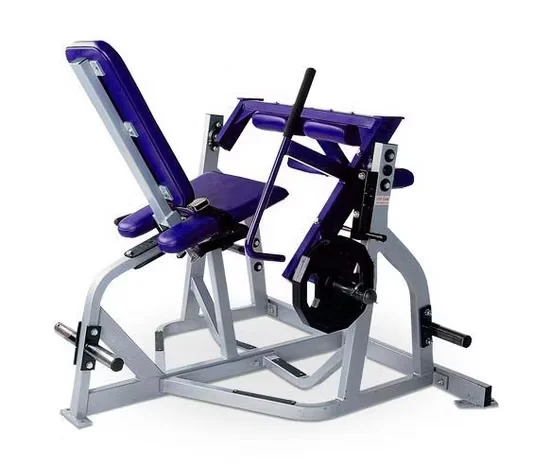
Commercial 4-Way Neck Machine, pin-select loading, 130kg net weight, 900×1400×1600mm footprint — engineered with sealed bearing pivot joints for smooth resistance across flexion, extension, lateral flexion, and rotation planes without play. Steel frame construction with guided weight stack rods prevents off-center binding during high-traffic use. Backed by 10-year frame warranty and mill-certified 11-gauge steel with robotic MIG welding for continuous weld integrity.
// Spec Highlights
• Direct from Manufacturer · No Middlemen · Worldwide Shipping
01
// Material
Imported Solid Wood
Premium hardwood frames sourced for density and visual warmth.
02
// Hardware
Medical-Grade Silent
Whisper-quiet pulleys and springs for clinical environments.
03
// Customization
Appearance OEM
Color, upholstery, and branding tailored to your studio.
04
// Service
Layout Design
Free venue planning for studios and rehab institutions.
Every component is selected for longevity, performance, and aesthetic harmony - from imported hardwood frames to silent medical-grade accessories.
// Features
Mill-Certified 11-Gauge Frame — every steel coil traced from origin through laser cutting to robotic MIG weld, ensuring verifiable structural integrity in a selectorized neck training station.
| Parameter | Value |
|---|---|
| Product Type | Selectorized Neck Machine |
| Frame Steel Gauge | 11-gauge |
| Frame Tube Size | 3×3 inch |
| Steel Grade | Q235 / Q345 industrial steel, mill-certified |
| Welding Type | Robotic MIG, continuous weld lines |
| Loading Type | Pin select |
| Bearing Type | Sealed industrial bearings |
| Pulley System | Aircraft-cable pulley system |
| Powder Coating | 200μm scratch-resistant, sandblast pre-treatment |
| Upholstery | Standard or high-density options available |
| Product Dimensions | 900 × 1400 × 1600 mm |
| Net Weight | 130 kg |
| Certification | ISO 9001:2015, CE |
| Warranty | 10-year frame warranty |
| Facility Type | Typical Use |
|---|---|
| Commercial gym strength floor | Dedicated neck isolation station within selectorized machine zones |
| University strength and conditioning room | Athletic neck development for contact sport programs |
| Rehabilitation and performance center | Controlled cervical resistance work under professional supervision |
| Hotel fitness center | Compact footprint neck station for limited-space wellness areas |
| Crossfit box functional zone | Accessory neck work adjacent to functional rig areas |
Neck training loads arrive off-center by nature — and guide rods that are not matched to that reality will bind within months.
A selectorized neck machine operates under conditions that most pin-select equipment never faces. The user’s cervical spine shifts through flexion, extension, lateral flexion, and rotation, meaning the weight stack experiences lateral forces on every repetition. When guide rod clearances are set for straight vertical travel only, the stack drags and sticks the moment a user applies force at an angle. This is not a cable issue or a pulley issue — it originates at the rod-to-bushing interface, where even marginal gaps compound under the multi-directional loading that defines neck work. [NEED_CITE: EN 957 structural requirements for stationary training equipment]
This commercial selectorized 4-way neck machine addresses a gap that most gym layouts leave open. While squat racks and plate-loaded rows cover compound pressing and pulling patterns, cervical musculature receives no dedicated stimulus unless a station exists for it. For university athletic programs and commercial gyms serving serious lifters, placing this unit adjacent to the free weight zone creates a logical flow from compound lifts to targeted neck work. The compact 900 × 1400 mm footprint fits into a single-tile footprint without disrupting traffic lanes, making it practical even on crowded strength floors where every square meter is planned.
The loading profile here differs fundamentally from chest or leg stations. Every repetition introduces eccentric torque into the frame because the user’s head moves through an arc rather than a straight line. The pivot joints bear continuous rotational stress, and unsealed bearings in these positions accumulate sweat, chalk dust, and cleaning residue that accelerates wear. The head pad and forehead strap contact points endure concentrated pressure cycles, and the powder coating at the seat frame junction faces abrasion from users shifting position. [NEED_CITE: weld classification and fatigue performance in structural steel]
Frame gauge matters here because neck machines concentrate load into a smaller structure than most selectorized equipment. An 11-gauge frame tube resists the twisting forces that build when a user drives through rotation and lateral flexion with heavier pin selections. The robotic MIG welding produces continuous weld lines at every tube junction rather than spot welds that can fracture under repeated torsional stress. Sealed industrial bearings at the pivot points prevent the grit ingress that causes wobble and play — a failure pattern common in machines using unsealed bushings in high-humidity gym environments. The aircraft-cable pulley system maintains tension consistency across all four movement planes, where lower-grade cables stretch unevenly and create a gritty resistance feel.
A thinner frame tube may pass a static load test but will flex noticeably when a user pushes into heavy lateral flexion, creating a sensation of instability that discourages use. Spot-welded joints at the pivot bracket can develop hairline cracks invisible to visual inspection, failing without warning under repetitive rotational loading. Non-sealed bushings require periodic lubrication and replacement — downtime that gym operators cannot absorb during peak membership periods. Low-density upholstery compresses permanently within months of daily use, exposing users to hard contact points and requiring full pad replacement. [NEED_CITE: commercial fitness equipment failure modes under cyclic loading]
The 11-gauge frame steel arrives with mill certification traceable to the coil, meaning every neck machine on the floor has verifiable material provenance. Robotic MIG welding eliminates the spot-weld weak points that compromise pivot brackets under rotational stress. Each unit undergoes load testing before shipment rather than relying on sample-based quality checks. The 200μm powder coating with sandblast pre-treatment protects contact surfaces from chipping caused by daily user adjustments and cleaning chemicals. A 10-year frame warranty reflects the structural confidence behind these specifications. Floor planning support includes 2D-3D CAD layouts that position this station with correct safety clearances relative to adjacent equipment.
Provide the total strength zone square footage and current equipment list to receive a 2D-3D placement plan showing this station integrated with proper safety clearances. Specify expected daily user volume to confirm the structural grade matches traffic demands. Indicate the body size range of your member population so that pad positioning and strap adjustment ranges are verified against your needs. Outline any color, logo, or upholstery customization requirements for brand alignment.
Q: How do I verify that a neck machine uses genuine commercial-grade steel rather than vague marketing claims?
A: Request a mill certificate that traces the steel from the original coil to the finished frame. A verifiable certificate will list the steel grade, coil number, and mechanical properties. Without this documentation, claims about commercial-grade tubing cannot be independently confirmed, leaving no way to assess whether the frame will resist deformation under repetitive multi-directional loading.
Q: What is the difference between sealed bearings and bushings in pivot joints for neck equipment?
A: Sealed bearings prevent sweat, chalk dust, and cleaning residue from entering the joint, maintaining smooth rotation over extended periods without scheduled maintenance. Bushings lack this protection, allowing contaminant buildup that creates play and wobble. In a neck machine where pivot joints endure constant rotational stress from four movement planes, sealed bearings meaningfully extend service intervals and reduce unexpected downtime.
Q: How much floor space does a selectorized neck station require including safety clearances?
A: The unit itself occupies a 900 × 1400 mm footprint, but safe operation requires clearance zones on all sides where users enter, exit, and move around the station. A complete floor plan accounts for adjacent equipment sightlines, traffic flow from neighboring stations, and emergency egress paths. Requesting a CAD layout ensures this station integrates without creating dead space or unsafe pinch points.
Q: Can this neck machine be customized to match existing gym branding and color schemes?
A: OEM private label options are available covering frame powder coating color, logo placement on the shroud and seat, and upholstery material selection. Custom color matching requires a reference sample or RAL code to ensure consistency across multiple units in the same facility. Lead times for customized units differ from standard stock configurations and should be confirmed during the quotation process.
Premium aesthetics meet quiet operation for boutique studio environments.
Medical-grade silence and precision for sports & postpartum recovery.
Furniture-grade craftsmanship for premium residential installations.
Compact premium setups for one-on-one and small-group training.
Aesthetic Pilates integration for hybrid wellness studio programming.
Multi-unit deployment with instructor-grade reliability for certification programs.
Tell us about your project. Our team will respond within 24 hours with pricing, customization options, and shipping details.
// Sales Director
William
+86 132 2531 1800
// Export Manager
Bella
+86 198 5412 8032
william@bickfit.com