01 / Scenario
STUDIO
P
High-End Pilates Studios
Premium aesthetics meet quiet operation for boutique studio environments.

ISO
9001
CE
Certified
OEM
Available
10YR
Warranty
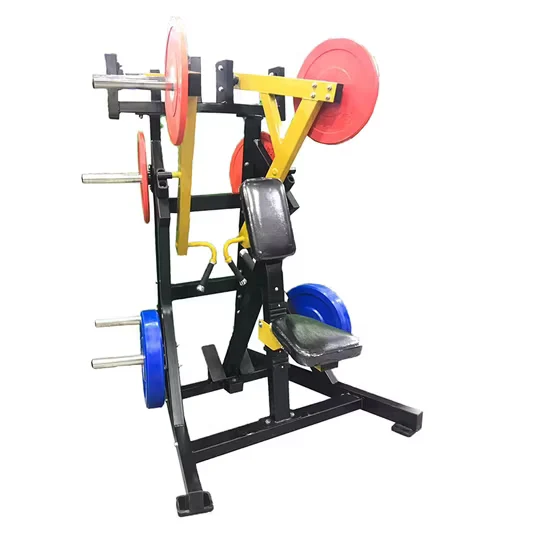
Commercial Bench Weight Storage, 2000×1150×1150mm, 78kg Net Weight — engineered with industrial steel frame construction and optimized peg spacing for Olympic plate sleeves and barbell shaft clearance. Features 200μm scratch-resistant powder coating at contact zones to prevent chipping under repeated plate loading. Backed by 10-year frame warranty and mill-certified steel traceability for high-density gym floor planning.
// Spec Highlights
• Direct from Manufacturer · No Middlemen · Worldwide Shipping
01
// Material
Imported Solid Wood
Premium hardwood frames sourced for density and visual warmth.
02
// Hardware
Medical-Grade Silent
Whisper-quiet pulleys and springs for clinical environments.
03
// Customization
Appearance OEM
Color, upholstery, and branding tailored to your studio.
04
// Service
Layout Design
Free venue planning for studios and rehab institutions.
Every component is selected for longevity, performance, and aesthetic harmony - from imported hardwood frames to silent medical-grade accessories.
// Features
Mill-Traceable Steel — Every tube used in this commercial bench weight storage rack carries a coil certificate back to the originating steel mill.
| Parameter | Value |
|---|---|
| Product Type | Storage Rack |
| Product Dimensions | 2000×1150×1150mm |
| Net Weight | 78kg |
| Frame Material | Steel |
| Frame Finish | Powder coating available in standard or custom color options |
| Main Frame Color | According to customer requirements |
| Certification | ISO 9001, CE |
| OEM/ODM | Acceptable |
| Facility Type | Typical Use |
|---|---|
| Commercial gym strength floor | Central plate and barbell consolidation zone between rack stations |
| CrossFit box functional zone | High-density bumper plate storage near rig perimeters |
| Hotel and resort fitness center | Compact weight organization for limited-space training areas |
| University strength and conditioning room | Olympic plate sorting for team training sessions |
| Rehabilitation and performance center | Accessible plate storage for supervised loading protocols |
The difference between a storage rack that holds and one that bends comes down to verifiable steel gauge and continuous weld integrity, not marketing labels.
Walk any trade show floor at FIBO or IHRSA and you will see storage racks described as "heavy-duty" or "commercial grade" with no actual gauge specification attached. I have watched gym owners load these units with Olympic plates month after month, only to find the horizontal support beams developing a visible sag by the second year. The uprights start leaning, the peg spacing drifts, and plates begin to slide off sleeves that no longer sit level. The problem is never sudden collapse — it is slow, creeping deformation that operators mistake for normal wear until a weld finally gives way at a spot joint. [NEED_CITE: EN 957 structural requirements for stationary training equipment]
This storage rack serves as the central anchor point where Olympic plates, fractional plates, and barbells consolidate between active lifting stations. In a typical strength floor layout, it sits between power racks and plate-loaded machines, reducing the distance members walk while carrying heavy plates. The 2000mm footprint accommodates high-density plate sorting in commercial gyms running peak-hour traffic, and the open-frame design allows visual inventory checks at a glance without moving individual plates.
A fully loaded commercial bench weight storage rack carries sustained static loads concentrated at peg anchor points and horizontal beam junctions. Each time a member slides a 20kg plate on or off a sleeve, the frame experiences a brief eccentric load shift that cycles the welds at the peg-to-upright connection. Over thousands of daily load-unload cycles in a high-traffic facility, these micro-stress events accumulate at the joints. The powder coating at plate contact zones faces constant abrasion from steel-on-steel sliding, and cleaning chemicals applied to gym floors can wick up into the base welds if the coating is thin. [NEED_CITE: weld classification and fatigue performance in structural steel]
The 78kg net weight of this unit signals the steel mass present in the frame — a storage rack that weighs significantly less is almost certainly built from thinner-walled tubing. The 2000×1150×1150mm dimensions provide a wide base relative to height, which is the geometric relationship that prevents tipping when one side is fully loaded and the other is empty. Continuous MIG welding at every joint means the load transfers through a solid bead rather than isolated spot-weld points that concentrate stress into a single millimeter of fused metal. A 200μm industrial powder coating applied over sandblasted steel creates a surface that resists chipping when plates are dragged across pegs, maintaining corrosion protection at the contact zones that see the most abrasion.
A storage rack built with thin-wall tubing may hold plates on day one, but the horizontal beams deflect under sustained load, and the pegs gradually angle downward until plates slide off under their own weight. Spot-welded joints pass a visual inspection at delivery but crack along the weld boundary after months of load cycling, creating a liability event when a rack drops plates onto a member’s foot. Non-industrial coating flakes off at contact points within the first year, exposing bare steel to sweat and humidity that accelerates corrosion at the exact locations where structural integrity matters most. [NEED_CITE: corrosion progression at coating failure points in steel fitness equipment]
Steel sourcing begins with Q235 and Q345 industrial-grade material that carries mill certification traceable to the originating coil. Robotic MIG welding produces continuous weld lines at every structural joint, eliminating the spot-weld weak points that fail under repeated plate loading. Every unit undergoes load testing before shipment, verifying structural performance under full plate capacity rather than relying on sample-based batch inspection. The 200μm scratch-resistant powder coating applied over sandblasted surfaces protects plate contact zones from the abrasion and moisture that degrade thinner finishes. A 10-year frame warranty backs the structural steel, and 2D-3D floor planning CAD support helps operators position the commercial bench weight storage rack with correct safety clearances between adjacent stations.
Provide your strength zone dimensions and current equipment list so we can generate a 2D-3D floor plan showing optimal placement and safety clearances for this commercial bench weight storage rack. Specify your average daily member count and plate inventory to confirm the loading capacity matches your traffic volume. Share any custom color requirements, facility branding guidelines, or accessory integration needs to align the unit with your existing floor aesthetic.
Q: How do we verify that the steel specification is genuinely commercial grade rather than a vague marketing claim?
A: Request the mill certificate that traces the steel coil to its originating rolling mill, including the material grade designation and gauge measurement. A legitimate commercial-grade storage rack supplier provides this documentation for each production batch rather than offering only a general "heavy-duty" description without verifiable material data attached to the purchase order.
Q: What load capacity rating should we expect from a plate storage rack in a high-traffic commercial gym?
A: The rack must support the total combined weight of your full plate inventory on a single unit without visible beam deflection or peg angle change. Ask the manufacturer for load testing records that document performance under maximum rated capacity, and confirm the safety factor applied to those test results accounts for eccentric loading when plates are concentrated on one side.
Q: Where should a weight storage rack be positioned relative to lifting stations on a commercial gym floor?
A: Place the unit centrally between power racks and plate-loaded machines so members carry plates the shortest possible distance while navigating traffic flow. Provide adequate clearance on all sides for two members to load plates simultaneously, and avoid positioning the rack in pathways between cardio zones and free weight areas where foot traffic creates collision risk with loaded sleeves.
Q: How does powder coating thickness affect long-term durability at the plate contact zones?
A: Plate sleeves and pegs experience constant steel-on-steel abrasion every time a member slides plates on and off, which wears thin coatings down to bare metal within months. A 200μm industrial powder coating applied over properly sandblasted surfaces maintains corrosion protection at these high-wear contact points, reducing the frequency of touch-up painting and preventing rust from spreading into the structural welds beneath.
Premium aesthetics meet quiet operation for boutique studio environments.
Medical-grade silence and precision for sports & postpartum recovery.
Furniture-grade craftsmanship for premium residential installations.
Compact premium setups for one-on-one and small-group training.
Aesthetic Pilates integration for hybrid wellness studio programming.
Multi-unit deployment with instructor-grade reliability for certification programs.
Tell us about your project. Our team will respond within 24 hours with pricing, customization options, and shipping details.
// Sales Director
William
+86 132 2531 1800
// Export Manager
Bella
+86 198 5412 8032
william@bickfit.com