01 / Scenario
STUDIO
P
High-End Pilates Studios
Premium aesthetics meet quiet operation for boutique studio environments.

ISO
9001
CE
Certified
OEM
Available
10YR
Warranty
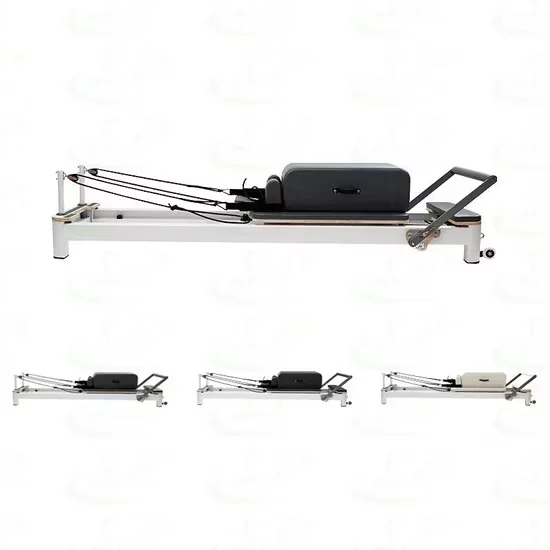
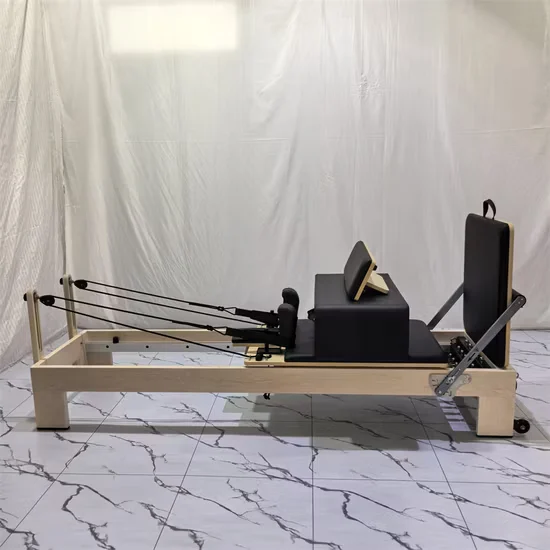
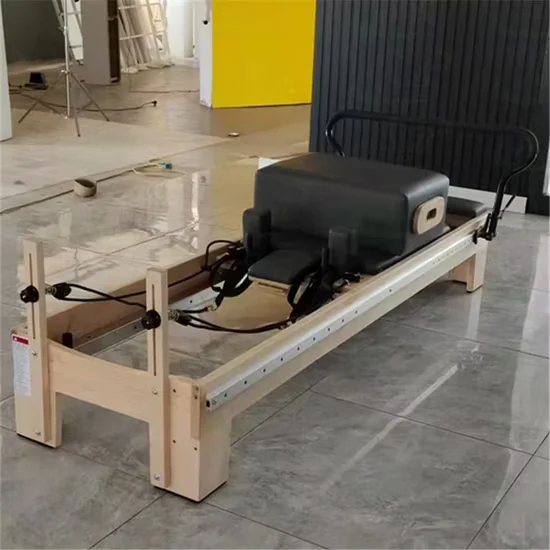
Pilates Reformer, Solid Beech Carriage, 2460×730×680mm — paired with a reinforced steel sub-frame to maintain glide consistency under repeated studio loading. Includes long box, jump board, and platform for full-spectrum programming without extra equipment. Each unit undergoes three-stage inspection with load testing before shipment.
// Spec Highlights
• Direct from Manufacturer · No Middlemen · Worldwide Shipping
01
// Material
Imported Solid Wood
Premium hardwood frames sourced for density and visual warmth.
02
// Hardware
Medical-Grade Silent
Whisper-quiet pulleys and springs for clinical environments.
03
// Customization
Appearance OEM
Color, upholstery, and branding tailored to your studio.
04
// Service
Layout Design
Free venue planning for studios and rehab institutions.
Every component is selected for longevity, performance, and aesthetic harmony - from imported hardwood frames to silent medical-grade accessories.
// Features
Structural Drift Prevention — Solid beech carriage on a reinforced steel sub-frame eliminates the lateral play that hollow-core platforms develop within months of studio rotation.
| Parameter | Value |
|---|---|
| Product Type | Pilates Reformer |
| Model NO. | SRY-02 |
| Carriage Material | Solid Beech Wood |
| Specification | 2460×730×680mm |
| Net Weight | 100kgs |
| Included Accessories | Long Box / Jump Board / Platform |
| Logo | Customized Is Allowed |
| Warranty | 3 Years |
| Production Capacity | 80 Pieces/Month |
| Facility Type | Typical Use |
|---|---|
| Commercial Pilates Studio | Daily group reformer classes and private sessions |
| Hotel and Resort Wellness Center | Guest access and guided wellness programming |
| Rehabilitation and Physical Therapy Clinic | Low-impact conditioning and post-injury recovery |
| Home Gym Yoga Training | Dedicated personal practice space |
A solid beech carriage paired with a steel sub-frame prevents the glide degradation that forces studios to pull units off the floor for mid-cycle repairs.
When a facility runs back-to-back classes, the carriage takes repetitive impact from jump board work and high-resistance spring loading. Hollow-core or laminated alternatives tend to delaminate at the rail interface or develop lateral drift, creating an uneven glide path that instructors notice immediately. This commercial pilates reformer machine addresses that failure point by using mass and material density rather than adhesive bonds to maintain structural coherence [NEED_CITE: structural fatigue in repetitive-load wood and steel assemblies]. The 100 kg net weight anchors the unit during dynamic exercises without requiring floor bolting, which keeps studio layouts flexible for reconfiguration between class formats.
This unit covers the full spectrum of Pilates programming: supine, prone, seated, and standing work, plus plyometric loading via the jump board. In a studio layout, it pairs with mat zones and cadillac towers to create a complete class flow without equipment bottlenecks. The accessory ecosystem — long box, jump board, platform — allows instructors to transition between class formats in seconds rather than swapping hardware. For facilities targeting mixed-body-type clientele, the carriage length and spring progression accommodate users across a wide anthropometric range, and the commercial pilates reformer machine footprint fits standard multi-unit studio spacing grids.
A reformer in a high-traffic studio endures a distinct loading profile: sustained static holds during isometric work, repeated impact from jump board plyometrics, and eccentric spring tension during controlled returns. The carriage-to-rail interface absorbs the majority of this cycling, and any play in that joint compounds with each session. Upholstery contact points on the shoulder rests and foot bar face sweat exposure and friction abrasion daily. The beech carriage mass dampens vibration transmission through the frame, reducing the fatigue load on rail fasteners and spring anchor points [NEED_CITE: vibration damping in solid wood versus composite carriage platforms].
The solid beech carriage provides dimensional stability that laminated or plywood alternatives cannot match under humidity cycling and repeated load. Beech’s density resists compression set at the rail contact strips, maintaining glide consistency over thousands of cycles. The reinforced steel sub-frame prevents the torsional flex that causes carriage misalignment in lighter builds. Together, these elements keep the movement path true without requiring frequent rail re-alignment. The included accessory interface — long box, jump board, platform — uses positive-lock mounting points that resist loosening under dynamic use, unlike friction-fit systems that drift during class.
Studios that accept laminated or hollow-core carriages to reduce upfront spend typically face carriage replacement within the first high-traffic year. The labor cost of pulling a unit from rotation, stripping the old carriage, and re-fitting a new one exceeds the material savings many times over. Non-standard spring anchor hardware compounds this: when a proprietary spring fails and no replacement stock exists, the entire unit sits idle. Thin vinyl upholstery splits at the shoulder rest seams under daily commercial use, and without available replacement pads, the reformer presents a visibly degraded appearance to clients [NEED_CITE: total cost of ownership in studio-grade fitness equipment].
The solid beech carriage is specified for its resistance to compression set and moisture-driven warping in studio environments. The reinforced steel sub-frame uses continuous weld joints to prevent the torsional drift that spot-welded frames develop under asymmetric loading. Every unit undergoes load testing before shipment to verify carriage glide and spring anchor integrity under working stress. The 200μm industrial powder coating on steel contact surfaces resists sweat corrosion and cleaning chemical exposure. The three-year warranty reflects the expected service life of the rail, spring, and upholstery system under daily commercial rotation, and OEM customization allows studios to match branding without compromising structural specification.
Provide your studio floor area and target unit count to receive a 2D-3D layout plan with safe clearance mapping between reformers. Specify your daily class volume and average session duration so the structural grade can be matched to your actual rotation intensity. Confirm your target user demographic to verify that the carriage length and spring progression cover your clientele’s anthropometric range. Note any customization requirements including color, logo placement, or upholstery specification to align the order with your studio identity.
Q: How do I evaluate whether a reformer is truly commercial-grade versus light-commercial?
A: Inspect the carriage material — solid hardwood resists compression set far better than laminated or hollow-core alternatives under daily use. Check whether the sub-frame uses continuous welds or spot welds, as the latter develop fatigue cracks under repetitive loading. Request cycle-test data on the spring system and verify that replacement parts are stocked rather than proprietary. A commercial pilates reformer machine should also carry a warranty that reflects actual studio-hour exposure.
Q: What is the practical difference between solid wood and laminated carriages in daily studio use?
A: Solid beech maintains dimensional stability under humidity fluctuation and repetitive load without delaminating at the ply boundaries. Laminated carriages tend to separate at adhesive lines under sustained studio rotation, particularly where sweat and cleaning chemicals penetrate edge seals. The mass of solid wood also dampens vibration during jump board work, keeping the glide path consistent and reducing rail wear over time.
Q: How do spring resistance options affect class programming across different fitness levels?
A: A well-graded spring set allows instructors to progress clients from rehabilitation-level loading through advanced resistance without swapping hardware between sessions. Quick-change spring anchors reduce transition time in group class formats where multiple users share equipment. Verify that the manufacturer provides a full resistance curve rather than a single rated value, as this confirms predictable loading across the carriage travel range.
Q: What maintenance intervals should a high-traffic studio plan for on reformer equipment?
A: Rail surfaces need daily dry wipe-downs to prevent sweat residue from degrading glide consistency. Spring tension verification and accessory mount torque checks should occur monthly under commercial rotation. Upholstery seams require visual inspection at the same interval, with replacement pads ordered before visible splitting affects client perception. A full bearing and pulley inspection every quarter catches wear before it introduces lateral carriage play.
Premium aesthetics meet quiet operation for boutique studio environments.
Medical-grade silence and precision for sports & postpartum recovery.
Furniture-grade craftsmanship for premium residential installations.
Compact premium setups for one-on-one and small-group training.
Aesthetic Pilates integration for hybrid wellness studio programming.
Multi-unit deployment with instructor-grade reliability for certification programs.
Tell us about your project. Our team will respond within 24 hours with pricing, customization options, and shipping details.
// Sales Director
William
+86 132 2531 1800
// Export Manager
Bella
+86 198 5412 8032
william@bickfit.com