01 / Scenario
STUDIO
P
High-End Pilates Studios
Premium aesthetics meet quiet operation for boutique studio environments.
ISO
9001
CE
Certified
OEM
Available
10YR
Warranty
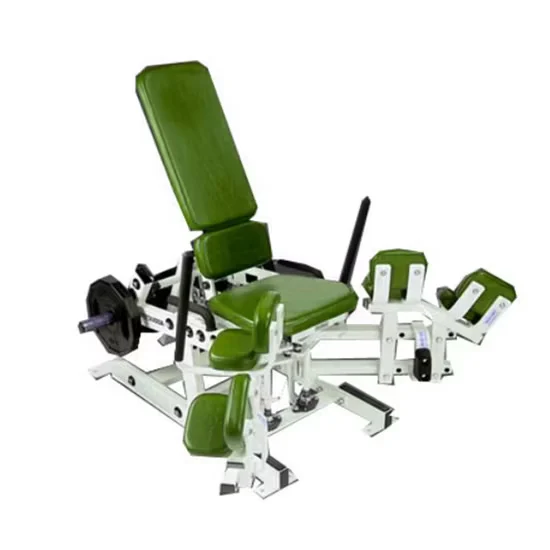
Plate Loaded Adductor Machine, 3×3 inch Frame Tube, 139 kg Net Weight — engineered with Q235 steel construction and plate loaded resistance for high-volume inner thigh training in commercial environments. Features manual power source, ISO 9001 and CE certified, with customization options available for facility-specific requirements. Every unit undergoes individual load testing before shipment to verify structural integrity under repetitive lateral forces.
// Spec Highlights
• Direct from Manufacturer · No Middlemen · Worldwide Shipping
01
// Material
Imported Solid Wood
Premium hardwood frames sourced for density and visual warmth.
02
// Hardware
Medical-Grade Silent
Whisper-quiet pulleys and springs for clinical environments.
03
// Customization
Appearance OEM
Color, upholstery, and branding tailored to your studio.
04
// Service
Layout Design
Free venue planning for studios and rehab institutions.
Every component is selected for longevity, performance, and aesthetic harmony - from imported hardwood frames to silent medical-grade accessories.
// Features
Robotic MIG continuous welding — eliminates spot-weld weak points along the 3×3 inch frame, preventing crack propagation under repetitive lateral adductor loading.
| Parameter | Value |
|---|---|
| Product Type | Plate Loaded Adductor Machine |
| Frame Tube Size | 3×3 inch |
| Steel Grade | Q235 |
| Loading Type | Plate Loaded |
| Product Dimensions | 1690×730×750 mm |
| Net Weight | 139 kg |
| Exercise Part | Leg / Inner Thigh |
| Power Source | Manual |
| Material | Steel |
| Certification | ISO 9001, CE |
| Customization | Available |
| Production Capacity | 500 PCS/Month |
| Facility Type | Typical Use |
|---|---|
| Commercial Gym Strength Floor | High-volume inner thigh training during peak hours |
| Hotel and Resort Fitness Center | Durable leg isolation for diverse guest usage |
| University Strength and Conditioning Room | Structural reliability for athletic department programming |
| Community Fitness Center | Heavy-duty frame resisting daily multi-user loading |
Many plate loaded machines quote vague "commercial grade" tubing with no verifiable steel spec, and rely on spot welds that crack under the repetitive lateral forces of adductor training — this is where structural integrity matters most.
A 3×3 inch Q235 steel frame with continuous weld lines resists torsional deflection that spot-welded alternatives cannot sustain.
Adductor movements generate asymmetric lateral loads on the pivot axis. Over hundreds of daily repetitions, spot welds at the frame junction become stress concentration points. Micro-cracks initiate at the weld toe, eventually propagating through the tube wall. The result is visible frame flex, pivot misalignment, and ultimately structural failure — often within the first year of commercial use. [NEED_CITE: weld classification and fatigue performance in structural steel]
This commercial plate loaded adductor machine targets the hip adductor muscle group through a converging movement pattern that aligns with natural joint travel. In a commercial gym leg training zone, it complements the abductor machine and plate loaded leg press, completing the hip musculature circuit. The 1690×730×750 mm footprint allows efficient placement between squat racks and leg curl stations without disrupting traffic flow. The plate loaded configuration suits facilities where users prefer independent weight selection and where maintenance simplicity is prioritized over selectorized convenience.
Adductor training produces eccentric-dominant loading cycles where the user controls the return phase against gravity. This creates sustained torsional stress on the frame pivot housing and the seat mounting bracket. Each repetition subjects the weld joints at the base frame to cyclic bending moments. Unsealed bearings at the pivot point allow dust and sweat infiltration, accelerating wear and introducing play that compromises movement smoothness. The powder coating at contact and adjustment points faces mechanical abrasion from plate loading and chemical exposure from gym cleaning agents. [NEED_CITE: fatigue behavior of welded steel structures under cyclic loading]
The 3×3 inch tube dimension establishes the cross-sectional moment of inertia that governs bending resistance. A larger tube diameter increases the distance of material from the neutral axis, directly improving rigidity without proportional weight increase. Q235 steel provides a defined yield point that ensures predictable deformation behavior under load — unlike unmarked tubing where actual gauge and alloy composition remain unverifiable. Robotic MIG continuous welding produces a uniform weld bead along the entire joint length, distributing stress evenly rather than concentrating it at discrete spot weld locations. Sealed industrial bearings at the pivot axis prevent contaminant ingress, maintaining rotational precision over extended service intervals compared to open bushings that degrade rapidly in high-traffic environments. The 200μm powder coating applied over sandblast-pretreated steel creates a mechanical bond that resists chipping at adjustment contact points.
Thin-wall tubing deflects visibly under heavy plate loads, creating a sensation of instability that discourages users from training at appropriate intensity. Spot-welded joints that pass visual inspection develop fatigue cracks under repeated lateral loading, creating liability exposure when frame failure occurs during use. Non-sealed bearings develop play within months, generating noise and requiring frequent replacement — maintenance costs that accumulate well beyond the initial price savings. Low-density upholstery compresses permanently under daily commercial use, losing support and requiring replacement within the first year. Powder coating applied without proper surface preparation chips at contact points, exposing bare steel to sweat-induced corrosion that spreads beneath adjacent coating.
The 3×3 inch Q235 frame with mill-certified steel traceable to the original coil ensures verifiable material quality rather than unverified "commercial grade" claims. Robotic MIG continuous welding throughout the frame eliminates cold joints and spot-weld weak points that compromise long-term structural integrity. Every unit undergoes individual load testing before shipment, confirming structural performance rather than relying on batch sampling. The 200μm industrial powder coating over sandblast pretreatment provides long-term chip and corrosion resistance at high-contact adjustment points. This commercial plate loaded adductor machine fits within comprehensive 2D-3D CAD floor planning that optimizes equipment spacing and safe clearance zones for your specific facility dimensions. Customization options accommodate branding and upholstery preferences to match your facility design standards.
Provide your strength zone floor area and current equipment list to receive 2D-3D CAD layout planning that integrates this commercial plate loaded adductor machine with appropriate spacing and traffic flow. Specify your average daily user volume to confirm the structural grade matches your facility intensity requirements. Indicate target user body size ranges to verify the seat and pivot adjustment accommodation. Customization options for frame color, upholstery, and facility branding are available upon request.
Q: How does frame tube size affect adductor machine structural performance?
A: The 3×3 inch tube dimension increases the cross-sectional moment of inertia, which directly determines bending resistance under lateral adductor loading. Larger tube diameter places more material further from the neutral axis, reducing frame deflection during heavy plate loads and maintaining pivot alignment over repeated use cycles.
Q: What distinguishes continuous welding from spot welding in commercial equipment?
A: Robotic MIG continuous welding creates a uniform weld bead along the entire joint length, distributing cyclic stress evenly across the connection. Spot welds concentrate stress at discrete points, creating fatigue initiation locations where cracks develop under repetitive lateral loading typical of adductor training movements.
Q: Why do sealed bearings matter for plate loaded leg machines?
A: Sealed industrial bearings prevent dust, sweat, and cleaning chemical infiltration at the pivot axis. Open bushings allow contaminants to enter the bearing surface, accelerating wear and introducing rotational play that compromises movement smoothness and requires premature replacement in high-traffic commercial environments.
Q: How should I plan floor spacing for this adductor machine?
A: The 1690×730×750 mm footprint requires adequate clearance on all sides for safe plate loading, user entry and exit, and maintenance access. Proper spacing prevents unsafe traffic interference with adjacent equipment and ensures users can load and unload plates without obstruction during commercial gym peak hours.
Premium aesthetics meet quiet operation for boutique studio environments.
Medical-grade silence and precision for sports & postpartum recovery.
Furniture-grade craftsmanship for premium residential installations.
Compact premium setups for one-on-one and small-group training.
Aesthetic Pilates integration for hybrid wellness studio programming.
Multi-unit deployment with instructor-grade reliability for certification programs.
Tell us about your project. Our team will respond within 24 hours with pricing, customization options, and shipping details.
// Sales Director
William
+86 132 2531 1800
// Export Manager
Bella
+86 198 5412 8032
william@bickfit.com