01 / Scenario
STUDIO
P
High-End Pilates Studios
Premium aesthetics meet quiet operation for boutique studio environments.
ISO
9001
CE
Certified
OEM
Available
10YR
Warranty
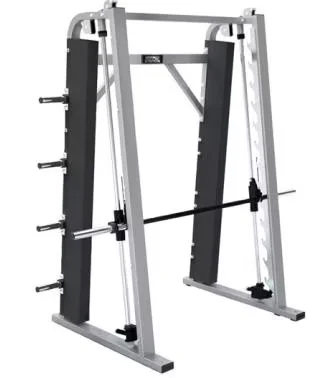
Commercial Smith Machine, 1340×2266×2384mm, 215kg Net Weight — engineered for high-traffic commercial gyms with industrial-grade steel construction and precision guide systems. The 3×3 inch frame tube delivers torsional rigidity under heavy barbell loading, while sealed bearings ensure smooth linear motion across the full range of motion. Every unit undergoes individual load testing before shipment, backed by a 10-year frame warranty for long-term structural confidence.
// Spec Highlights
• Direct from Manufacturer · No Middlemen · Worldwide Shipping
01
// Material
Imported Solid Wood
Premium hardwood frames sourced for density and visual warmth.
02
// Hardware
Medical-Grade Silent
Whisper-quiet pulleys and springs for clinical environments.
03
// Customization
Appearance OEM
Color, upholstery, and branding tailored to your studio.
04
// Service
Layout Design
Free venue planning for studios and rehab institutions.
Every component is selected for longevity, performance, and aesthetic harmony - from imported hardwood frames to silent medical-grade accessories.
// Features
Mill-Traceable Steel — Q235/Q345 coil certificates provided for every commercial smith machine frame we build.
| Parameter | Value |
|---|---|
| Product Type | Smith Machine |
| Product Dimensions | 1340 × 2266 × 2384 mm |
| Net Weight | 215 kg |
| Certification | ISO 9001, CE |
| Facility Type | Typical Use |
|---|---|
| Commercial gym strength floor | Heavy barbell squats, bench presses, and overhead presses in high-traffic zones |
| University strength and conditioning room | Athletic team training with repeated heavy loading cycles |
| Hotel fitness center | Self-guided guest use with reduced supervision requirements |
| Rehabilitation and performance center | Controlled movement path for guided resistance exercises |
Thicker gauge steel and continuous weld lines keep the bar path rigid when the load exceeds what light-commercial frames tolerate.
I once watched a batch of Smith Machines come back from an overseas project because the buyer insisted on dropping the frame tube wall thickness to cut costs. Within months, the cross-member showed visible deformation under heavy squatting loads, and the entire run had to be pulled and reworked [NEED_CITE: EN 957 structural requirements for stationary training equipment]. That failure drove home a simple truth: when gym owners compare a commercial smith machine to a cheaper alternative, the difference is almost always in the steel specification and the welding process. Vague claims of "commercial grade" mean nothing without a traceable mill certificate and a verifiable gauge measurement. The units that survive years of daily barbell impact are the ones where the frame was engineered for the actual peak load, not a theoretical average.
This unit anchors the fixed-path pressing and squatting area of a commercial strength floor. It covers the primary sagittal plane movements — squats, presses, shrugs — and complements free weight racks by offering a guided bar path for users training alone or working through rehabilitation protocols. In high-density gym layouts, a commercial smith machine pairs naturally with plate-loaded leverage machines and selectorized cable columns, forming a circuit that keeps traffic flowing. The guided rail accommodates a wide range of user heights without requiring extensive bar adjustment, which reduces bottleneck time during peak hours.
The frame of a commercial smith machine endures three distinct load types: static weight from loaded barbell sleeves, eccentric deceleration when users lower heavy loads, and repeated impact when the bar returns to the catch hooks [NEED_CITE: weld classification and fatigue performance in structural steel]. Over thousands of cycles per week, stress concentrates at the junction between the upright posts and the base rails. Spot welds at these junctions are the most common failure point — they crack invisibly before the deformation becomes visible. Bearings on the guide rails accumulate sweat and chalk dust, which accelerates wear if they are not sealed. The powder coating at bar contact points and hook surfaces chips under repeated abrasion, exposing bare steel to oxidation. Every one of these wear paths compounds when the initial specification cuts corners.
Frame steel gauge and tube cross-section determine how much torsional flex occurs when a loaded barbell reaches the bottom of a squat. An 11-gauge tube with a substantial cross-section resists bending and keeps the guide rails parallel, which in turn prevents binding on the bar bushings. The welding method is equally consequential: robotic MIG continuous welds distribute stress evenly along the entire seam, whereas spot welds create isolated hard points that become crack origins under fatigue cycling [NEED_CITE: structural steel welding standards for fitness equipment]. Sealed industrial bearings in the guide system maintain smooth vertical travel by keeping contaminants out, while unsealed bushings develop play and require frequent replacement. A 200μm powder coating applied over sandblasted steel provides a mechanical bond that resists chipping at contact zones, where thin coatings fail first.
When a manufacturer reduces tube wall thickness to lower material cost, the frame may pass a static load test but will deflect noticeably under dynamic heavy loading, altering the bar path and placing uneven wear on guide components. Spot welds that look acceptable at visual inspection develop micro-cracks under repeated impact, creating a liability that surfaces after the warranty period ends [NEED_CITE: fatigue failure modes in welded steel structures]. Non-sealed bearings absorb sweat and chalk residue, developing play within the first year of high-traffic use and requiring unplanned maintenance downtime. Thin powder coatings chip at bar contact points and hook edges, leaving bare steel exposed to corrosion that spreads under adjacent coating. Each of these compromises shifts cost from the manufacturer to the gym operator in the form of downtime, repairs, and premature replacement.
An 11-gauge frame with mill-certified Q235/Q345 steel ensures this commercial smith machine carries a traceable material history from coil to finished weld. Robotic MIG welding with continuous seams eliminates the spot-weld weak points that plague lighter alternatives. Every unit undergoes individual load testing before crating, not sample-based inspection from a production batch. The 200μm industrial powder coating, applied over sandblast pre-treatment, holds up against barbell contact, cleaning chemicals, and sweat exposure. The 10-year frame warranty reflects confidence in the structural engineering rather than a marketing promise. Floor planning CAD support covers footprint layout, safety clearances around the bar travel zone, and adjacency to complementary strength stations, so the machine integrates into the facility without creating unusable gaps.
Share your strength zone floor area and existing equipment list so we can generate a 2D-3D layout showing this commercial smith machine positioned with correct safety clearances and adjacent station spacing. Specify your expected daily user volume to confirm the structural grade matches your traffic level. Note the primary user population’s height and build range so we can verify the bar hook positions and guide rail travel suit your membership. Indicate any custom color, logo, or upholstery requirements early in the quotation process.
Q: How do I verify a Smith Machine is truly commercial grade and not light-commercial?
A: Request the manufacturer’s mill certificate showing the steel grade and tube wall thickness. True commercial frames use 11-gauge or heavier steel with verifiable Q235 or Q345 specifications. Confirm the welding method is continuous robotic MIG rather than spot welding, and ask for individual unit load test records rather than sample-based inspection reports. These documents separate verifiable engineering from vague marketing claims.
Q: What frame specifications prevent flex under heavy barbell loading?
A: The frame must combine adequate steel gauge with a sufficient tube cross-section to resist both bending and torsional deformation. An 11-gauge wall thickness in a 3×3 inch tube provides the rigidity needed for repeated heavy squats and presses. Continuous weld lines at all structural junctions distribute stress evenly, preventing localized flex that spot welds cannot withstand over thousands of loading cycles.
Q: Why does the welding method matter for long-term structural integrity?
A: Continuous robotic MIG welds create an uninterrupted fusion zone along each seam, distributing dynamic loads across the entire joint. Spot welds concentrate stress at isolated points, which become crack initiation sites under repeated barbell impact. In high-traffic commercial environments, this difference determines whether the frame survives years of heavy use or develops fatigue failures that compromise user safety.
Q: What maintenance do guide rail bearings require in high-traffic gyms?
A: Sealed industrial bearings need minimal maintenance because their seals exclude sweat, chalk dust, and cleaning residue. Inspect them every six months for lateral play or rough travel. Unsealed bushings require more frequent attention, as contaminants accelerate wear and create uneven bar travel. Replacing sealed bearings is straightforward when needed, but proper initial specification avoids most unplanned downtime.
Q: How should I plan floor layout and clearances around a Smith Machine?
A: Start with the machine’s footprint dimensions and add clearance on all sides for user movement and plate loading. Maintain safe passage between adjacent stations so a user racking a heavy barbell has unobstructed space. CAD-based floor planning accounts for bar travel range, plate storage, and traffic flow patterns to prevent congestion during peak hours and ensure compliance with commercial facility spacing standards.
Premium aesthetics meet quiet operation for boutique studio environments.
Medical-grade silence and precision for sports & postpartum recovery.
Furniture-grade craftsmanship for premium residential installations.
Compact premium setups for one-on-one and small-group training.
Aesthetic Pilates integration for hybrid wellness studio programming.
Multi-unit deployment with instructor-grade reliability for certification programs.
Tell us about your project. Our team will respond within 24 hours with pricing, customization options, and shipping details.
// Sales Director
William
+86 132 2531 1800
// Export Manager
Bella
+86 198 5412 8032
william@bickfit.com