01 / Scenario
STUDIO
P
High-End Pilates Studios
Premium aesthetics meet quiet operation for boutique studio environments.
ISO
9001
CE
Certified
OEM
Available
10YR
Warranty
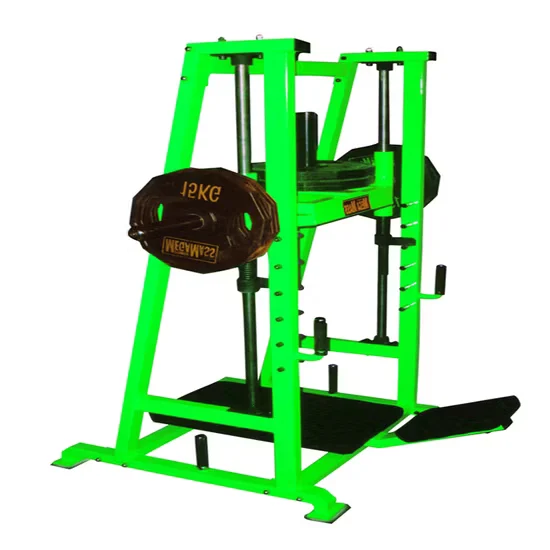
Plate Loaded Vertical Leg Press Machine, 11-Gauge Steel Frame, 122kg Net Weight — built with 3×3 inch frame steel and robotic MIG continuous welding to eliminate spot-weld fatigue under repetitive heavy loading. Sealed industrial bearings at pivot points maintain alignment through high-traffic commercial use cycles. Every unit undergoes individual load testing before shipment, backed by a 10-year frame warranty.
// Spec Highlights
• Direct from Manufacturer · No Middlemen · Worldwide Shipping
01
// Material
Imported Solid Wood
Premium hardwood frames sourced for density and visual warmth.
02
// Hardware
Medical-Grade Silent
Whisper-quiet pulleys and springs for clinical environments.
03
// Customization
Appearance OEM
Color, upholstery, and branding tailored to your studio.
04
// Service
Layout Design
Free venue planning for studios and rehab institutions.
Every component is selected for longevity, performance, and aesthetic harmony - from imported hardwood frames to silent medical-grade accessories.
// Features
Traceable Mill Steel — Every frame tube on the Plate Loaded Vertical Leg Press Machine traces back to the certified Q235 coil through full documentation.
| Parameter | Value |
|---|---|
| Product Type | Plate Loaded Leg Press Machine |
| Frame Steel Gauge | 11-gauge steel |
| Frame Tube Size | 3×3 inch rectangular tube |
| Steel Grade | Q235 industrial structural steel |
| Welding Type | Robotic MIG continuous weld |
| Loading Type | Plate loaded |
| Bearing Type | Sealed industrial bearing at pivot points |
| Powder Coating | 200μm scratch-resistant industrial finish |
| Product Dimensions | 1300×1050×1800mm |
| Net Weight | 122kg |
| Exercise Part | Leg |
| Certification | ISO 9001, CE |
| Warranty | 10-year frame warranty |
| Facility Type | Typical Use |
|---|---|
| Commercial gym strength floor | Primary heavy-load leg training station |
| Hotel and resort fitness center | Durable leg press for varied guest usage |
| University strength and conditioning room | Athletic team lower-body strength development |
| CrossFit box functional zone | High-intensity leg press cycles between WODs |
Continuous robotic MIG welding eliminates the single most common failure point in commercial leg press frames.
When operators source leg press equipment, the weld specification rarely appears on the quotation sheet. Most manufacturers quote a generic "commercial grade" frame without distinguishing between robotic continuous weld and manual spot weld. Under the repetitive eccentric loading of a vertical leg press, spot welds at the pivot bracket and carriage guide develop micro-fractures within months of heavy use. These fractures remain invisible until the joint separates under load [NEED_CITE: weld classification and fatigue performance in structural steel]. A continuous MIG weld line distributes stress across the full joint length rather than concentrating it at discrete points, meaning the frame steel will reach its deformation threshold long before the weld itself fails.
The Plate Loaded Vertical Leg Press Machine targets the quadriceps, glutes, and hamstrings through a closed-chain pressing motion, complementing free-weight squat racks and hip-dominant machines like leg curls. In a commercial gym strength floor layout, this station serves as a high-capacity alternative to barbell squats for users who require spinal unloading. The fixed vertical path accommodates a wide range of user statures without requiring technique coaching, making it suitable for facilities with high member turnover and limited floor staff supervision. The commercial plate loaded vertical leg press machine occupies a dedicated footprint that pairs logically with adjacent hack squat and calf raise stations.
A vertical leg press subjects the frame to compound loading: static weight from the loaded carriage, dynamic impact when users bottom out the range of motion, and eccentric shear as plates decelerate during the lowering phase. The pivot bracket and carriage guide rails absorb the highest cyclic stress. Weld joints at these locations endure thousands of fatigue cycles monthly in a busy commercial gym [NEED_CITE: EN 957 structural requirements for stationary training equipment]. Sealed bearings at the pivot resist contamination from chalk dust and sweat, while unsealed bushings develop rotational play that transfers oscillation into the guide rails. The powder coating on contact surfaces must withstand repeated plate loading impacts and cleaning chemical exposure without exposing bare steel to oxidation.
The 11-gauge steel frame and 3×3 inch tube section provide the bending stiffness required when users load the carriage beyond typical bodyweight multiples. A thinner tube wall will exhibit visible deflection at the guide rail mounts under heavy plate stacks, which accelerates bearing wear and introduces lateral play into the pressing path. Robotic MIG continuous welding ensures full penetration along the pivot bracket joint, eliminating the cold-joint risk inherent in manual spot welding where operators may skip pre-heating on thick-gauge steel. Sealed industrial bearings at the pivot maintain rotational precision despite sweat and chalk contamination, extending the interval before pivot rebuild. The 200μm powder coating, applied over sandblast pretreatment, provides chip resistance at the plate loading horns where metal-on-metal contact is unavoidable.
Manufacturers cutting costs on vertical leg presses typically reduce tube wall thickness or switch to spot welding at the pivot bracket. Thin-wall frames deform under heavy plate loads, misaligning the carriage path and accelerating bearing failure. Spot welds at the guide rail mounts crack under cyclic loading, creating a liability exposure when the joint fails during use [NEED_CITE: structural steel fatigue under cyclic loading in gym equipment]. Unsealed bushings require quarterly rebuild to maintain pressing smoothness, adding labor cost that offsets the initial equipment savings. Thin powder coating chips at plate contact points within months, exposing bare steel to rust in humid gym environments and forcing early cosmetic refurbishment.
The 11-gauge frame steel arrives with mill certification traceable to the specific coil, allowing verification of material origin for each production batch. Robotic MIG continuous welding on the pivot bracket and carriage guide produces consistent penetration depth documented through weld inspection records. Every Plate Loaded Vertical Leg Press Machine undergoes load testing before shipment rather than sample-based QC, confirming structural integrity under loaded conditions. The 200μm industrial powder coating over sandblast pretreatment resists chipping at high-contact zones. A 10-year frame warranty backs the structural components, and 2D-3D CAD floor planning support ensures the unit fits your strength zone with correct safety clearances around the carriage travel path.
Provide your strength zone floor area and current equipment list to receive a 2D-3D layout plan showing this commercial plate loaded vertical leg press machine with proper safety clearances. Specify your facility’s average daily user volume to confirm the structural grade matches your traffic density. Share the target user demographic and stature range to verify the fixed pressing path accommodates your membership base. Note any custom requirements including frame color, logo placement, or upholstery material selection.
Q: How do I distinguish commercial-grade from light-commercial leg press equipment?
A: Verify the frame steel gauge and tube dimensions rather than accepting a generic commercial label. Request mill certification documentation traceable to the steel coil. Confirm the welding method is continuous MIG rather than spot weld at load-bearing joints. Ask for load testing records on the specific unit type, not just sample testing reports.
Q: What frame steel gauge is required for a heavy plate loaded vertical leg press?
A: An 11-gauge steel frame with a 3×3 inch tube section provides the bending stiffness required when users load the carriage with heavy plates. Thinner walls will deflect under load, misaligning the guide rails and accelerating bearing wear. Always request documented steel specifications rather than relying on verbal commercial-grade claims.
Q: Plate loaded vs selectorized leg press — which fits a high-traffic commercial gym?
A: Plate loaded units have fewer moving parts and no weight stack cable system, reducing maintenance points in high-traffic environments. They accommodate heavier loads for advanced users without requiring a massive selectorized stack. Selectorized units offer faster weight changes but introduce pulley and cable wear that requires scheduled replacement.
Q: What safety clearance is needed around a vertical leg press station?
A: The facility must allow clearance on all sides of the machine footprint for users to load and unload plates safely. The carriage travel path requires unobstructed overhead space. A floor planning CAD layout confirms the unit fits your strength zone with adequate spacing from adjacent equipment and traffic lanes.
Premium aesthetics meet quiet operation for boutique studio environments.
Medical-grade silence and precision for sports & postpartum recovery.
Furniture-grade craftsmanship for premium residential installations.
Compact premium setups for one-on-one and small-group training.
Aesthetic Pilates integration for hybrid wellness studio programming.
Multi-unit deployment with instructor-grade reliability for certification programs.
Tell us about your project. Our team will respond within 24 hours with pricing, customization options, and shipping details.
// Sales Director
William
+86 132 2531 1800
// Export Manager
Bella
+86 198 5412 8032
william@bickfit.com