01 / Scenario
STUDIO
P
High-End Pilates Studios
Premium aesthetics meet quiet operation for boutique studio environments.
ISO
9001
CE
Certified
OEM
Available
10YR
Warranty
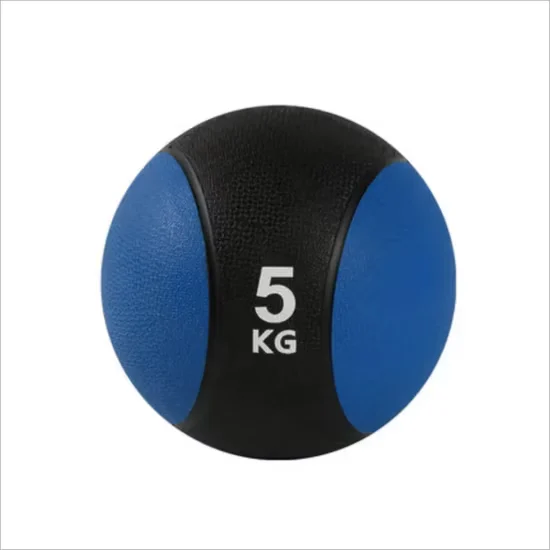
Commercial Rubber Medicine Ball, 1-10kg, Solid Rubber Core — engineered for repeated high-impact throws and drops without shell failure or weight shift. Available in custom colors and logos for weight identification across high-traffic functional zones. Every unit undergoes weight accuracy tolerance testing and drop durability verification before shipment.
// Spec Highlights
• Direct from Manufacturer · No Middlemen · Worldwide Shipping
01
// Material
Imported Solid Wood
Premium hardwood frames sourced for density and visual warmth.
02
// Hardware
Medical-Grade Silent
Whisper-quiet pulleys and springs for clinical environments.
03
// Customization
Appearance OEM
Color, upholstery, and branding tailored to your studio.
04
// Service
Layout Design
Free venue planning for studios and rehab institutions.
Every component is selected for longevity, performance, and aesthetic harmony - from imported hardwood frames to silent medical-grade accessories.
// Features
Solid Rubber Core Integrity — Commercial-grade rubber construction eliminates shell failure and maintains consistent weight distribution across thousands of high-impact repetitions.
| Parameter | Value |
|---|---|
| Product Type | Medicine Ball |
| Material | Rubber |
| Weight Range | 1-10kg |
| Color Options | Customized |
| Logo | Customized Logo Available |
| Exercise Part | Arm |
| Age Group | Adult |
| Gender | Unisex |
| Application | Community, Gymnasium, Home |
| Folded | Unfolded |
| Power Source | Manual |
| MOQ | 50kg |
| Production Capacity | 10000/Years |
| HS Code | 9506911900 |
| Facility Type | Typical Use |
|---|---|
| Commercial gym functional training zones | High-impact throws, slams, and partner drills |
| CrossFit boxes | Rotational power development and conditioning circuits |
| Hotel and resort fitness centers | Versatile strength training for diverse guest populations |
| University athletic departments | Sport-specific power training and rehabilitation protocols |
| Rehabilitation and performance centers | Controlled resistance exercises and progressive loading |
Solid rubber construction eliminates the structural compromise that causes light commercial medicine balls to crack, leak, or lose shape under repeated impact.
Budget medicine balls typically use hollow shells filled with sand or granulated rubber. After months of commercial use, the shell develops micro-fractures at impact points, filling material leaks out, and the ball loses both weight accuracy and structural integrity. This creates inconsistent training stimuli and potential safety hazards when equipment fails mid-repetition. Solid rubber construction maintains uniform density throughout the service life, ensuring the commercial rubber medicine ball performs identically on rep one and rep ten thousand [NEED_CITE: material fatigue resistance in elastomer compounds under cyclic loading].
The commercial rubber medicine ball occupies the ballistic training quadrant of any functional zone, bridging the gap between pure strength work and athletic power development. It complements kettlebells and cable systems by introducing unpredictable load vectors during rotational and overhead movements. Facilities with high member throughput benefit from the 1-10kg range, which accommodates rehabilitation clients through advanced athletes without requiring multiple equipment types. The unisex design and scalable weight options make it suitable for diverse user populations across commercial gym environments.
Medicine balls experience unique loading patterns compared to traditional strength equipment. Each slam generates impact forces that travel through the entire structure, testing the material’s ability to absorb and dissipate energy without permanent deformation. The solid rubber construction handles both compressive forces during ground contact and shear forces during rotational throws. High-traffic facilities may subject a single ball to hundreds of impact cycles daily, making material density and uniform construction critical for long-term performance. The rubber compound must resist both mechanical fatigue and environmental degradation from sweat, cleaning chemicals, and temperature variations [NEED_CITE: elastomer durability standards for fitness equipment under commercial use conditions].
The solid rubber construction represents a fundamental engineering choice that prioritizes longevity over initial cost savings. Unlike sand-filled alternatives that shift weight distribution during use, solid rubber maintains consistent center of mass throughout every movement pattern. The 1-10kg weight range covers the spectrum from rehabilitation protocols requiring light, controlled resistance to advanced athletic training demanding heavy ballistic loads. Custom color options enable facility-specific weight coding systems, reducing selection errors during high-intensity group sessions. The rubber material selection balances durometer hardness for bounce characteristics with sufficient compliance to protect flooring during overhead slams.
Facilities that specify light commercial or consumer-grade medicine balls accept predictable failure modes. Hollow shells develop stress concentrations at mold lines, eventually cracking under repeated impact. Sand-filled designs leak through seam failures, creating maintenance burdens and inconsistent training loads. Soft-shell constructions compress permanently after weeks of commercial use, altering the intended training stimulus. These failures don’t just represent equipment replacement costs—they create liability exposure when equipment fails during partner drills or overhead movements. The commercial rubber medicine ball eliminates these failure points through monolithic construction that cannot leak, separate, or lose structural integrity [NEED_CITE: failure mode analysis in fitness equipment under cyclic impact loading].
The solid rubber construction directly addresses the specification pain points that plague high-traffic fitness environments. Every commercial rubber medicine ball undergoes weight accuracy verification to ensure training consistency across the 1-10kg range. Custom color and logo options support facility branding while enabling intuitive weight identification systems. The rubber material selection prioritizes the durability requirements of commercial use over the cost savings of consumer alternatives. Facilities benefit from equipment that maintains performance characteristics throughout its service life, reducing replacement frequency and ensuring consistent training outcomes for members.
Provide your functional training area dimensions and equipment adjacency requirements to receive 2D-3D layout planning support. Specify daily usage volume to ensure the commercial rubber medicine ball configuration matches your facility’s traffic patterns. Indicate your target user population’s strength levels to optimize the weight range selection across the 1-10kg spectrum. Custom color and logo requirements should be specified early to coordinate production scheduling with your facility’s opening timeline.
Q: How does solid rubber construction compare to sand-filled medicine balls in commercial settings?
A: Solid rubber maintains consistent weight distribution and structural integrity throughout its service life, while sand-filled designs gradually leak through seam failures. The solid construction eliminates the maintenance burden of replacing failed units and ensures consistent training stimuli across thousands of repetitions. Commercial facilities benefit from the predictable performance and reduced replacement frequency that solid rubber provides.
Q: What weight selection guidelines apply to different training applications?
A: The 1-10kg range accommodates rehabilitation protocols at the lighter end and advanced athletic power training at the heavier end. Facilities should stock multiple weights to serve diverse member populations and progressive training needs. Color coding enables quick identification during high-intensity sessions where equipment selection speed matters.
Q: How do custom color systems improve facility operations?
A: Color-coded medicine balls enable intuitive weight identification, reducing selection errors during group training and peak usage periods. Consistent color systems across the 1-10kg range support efficient equipment rotation and inventory management. Custom colors also reinforce facility branding while serving functional organizational purposes.
Q: What durability expectations apply under high-traffic commercial use?
A: Solid rubber construction resists the impact fatigue that causes hollow shells to crack and sand-filled designs to leak. The monolithic structure maintains bounce characteristics and weight accuracy through thousands of slam and throw cycles. Commercial facilities should expect significantly longer service life compared to light commercial alternatives, though actual longevity depends on usage intensity and maintenance practices.
Premium aesthetics meet quiet operation for boutique studio environments.
Medical-grade silence and precision for sports & postpartum recovery.
Furniture-grade craftsmanship for premium residential installations.
Compact premium setups for one-on-one and small-group training.
Aesthetic Pilates integration for hybrid wellness studio programming.
Multi-unit deployment with instructor-grade reliability for certification programs.
Tell us about your project. Our team will respond within 24 hours with pricing, customization options, and shipping details.
// Sales Director
William
+86 132 2531 1800
// Export Manager
Bella
+86 198 5412 8032
william@bickfit.com