01 / Scenario
STUDIO
P
High-End Pilates Studios
Premium aesthetics meet quiet operation for boutique studio environments.

ISO
9001
CE
Certified
OEM
Available
10YR
Warranty
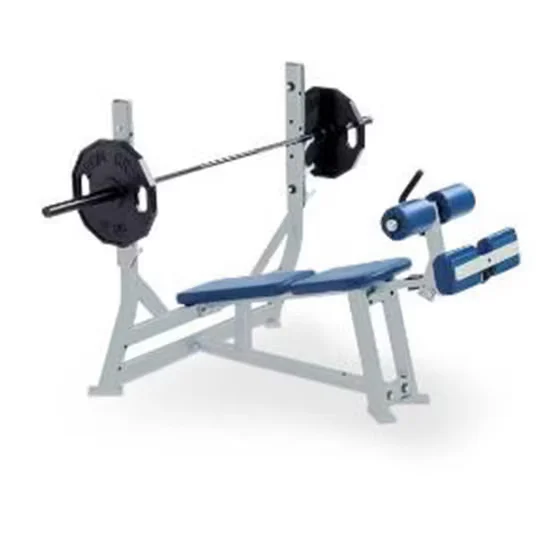
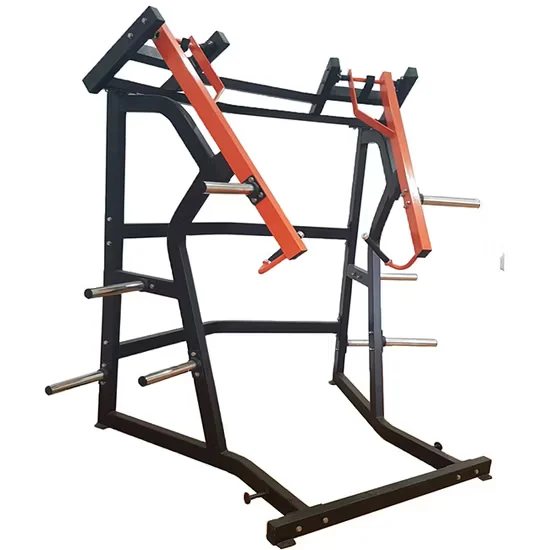
Commercial Squat Rack, 3×3 Inch Frame Steel, 98kg Net Weight — engineered with 11-gauge industrial steel tubing and robotic MIG continuous welding to eliminate spot-weld fatigue under repeated heavy axial loading. The 1830×1200×1876mm footprint provides stable clearance for high-traffic commercial strength zones. Every unit undergoes individual load testing before shipment, backed by a 10-year frame warranty with facility layout planning support.
// Spec Highlights
• Direct from Manufacturer · No Middlemen · Worldwide Shipping
01
// Material
Imported Solid Wood
Premium hardwood frames sourced for density and visual warmth.
02
// Hardware
Medical-Grade Silent
Whisper-quiet pulleys and springs for clinical environments.
03
// Customization
Appearance OEM
Color, upholstery, and branding tailored to your studio.
04
// Service
Layout Design
Free venue planning for studios and rehab institutions.
Every component is selected for longevity, performance, and aesthetic harmony - from imported hardwood frames to silent medical-grade accessories.
// Features
11-Gauge Verified Steel — Every Commercial Squat Rack frame uses mill-certified Q235/Q345 steel traceable to the original coil, with gauge thickness verified before production begins.
| Parameter | Value |
|---|---|
| Product Type | Squat Rack |
| Frame Material | Steel |
| Frame Steel Grade | Q235 / Q345 industrial steel, mill-certified |
| Frame Construction | 3×3 inch upright tubes |
| Welding Type | Robotic MIG, continuous weld lines |
| Load Capacity | Tested beyond 500kg per unit |
| Powder Coating | 200μm scratch-resistant industrial finish |
| Product Dimensions | 1830 × 1200 × 1876 mm |
| Certification | ISO 9001, CE |
| HS Code | 9506911900 |
| Warranty | 10-year frame structural warranty |
| Facility Type | Typical Use |
|---|---|
| Commercial gym strength floor | Primary squat and rack-based compound lifts in high-traffic zones |
| CrossFit box functional zone | Heavy barbell work integrated into strength and conditioning sessions |
| University strength and conditioning room | Athlete loading programs with supervised heavy squats and overhead work |
| Hotel fitness center | Durable squat station for guest use with minimal maintenance requirements |
| Rehabilitation and performance center | Controlled barbell movements for return-to-sport strength phases |
Wall thickness is the difference between a frame that holds its geometry and one that slowly deforms under repeated axial compression.
Most commercial squat rack listings describe their frames as "commercial grade" without providing a verifiable steel gauge or tube dimension. That vagueness becomes a problem when a facility loads the bar heavily day after day. I have seen thin-wall uprights pull back from the floor after less than a year of high-frequency use, with the base plates separating from the tube because the wall was too thin to carry the shear load at the weld joint. [NEED_CITE: structural tube gauge requirements for repeated axial loading in fitness equipment] When a commercial squat rack is built on verified 11-gauge steel with 3×3 inch uprights, the cross-sectional area distributes compressive and lateral forces across a larger material volume, keeping the frame geometry stable through thousands of loading cycles.
A commercial squat rack occupies the center of any serious strength zone. It covers the primary sagittal-plane compound movements — back squats, front squats, overhead presses — and pairs naturally with adjacent plate-loaded machines and free-weight benches. For facilities running high member density during peak hours, the footprint of each rack and the clearance between stations determines whether lifters can safely unrack and re-rack without interfering with neighboring users. The 1830 × 1200 mm footprint allows reasonable spacing in most commercial layouts, accommodating users across a wide range of body sizes without requiring oversized floor allocations.
The uprights of a squat rack endure a combination of static compression from barbell loading and dynamic impact each time the bar is re-racked or dropped onto the safety catches. Over hundreds of daily cycles, these forces concentrate at the junction where uprights meet the base frame and where J-hooks and safety arms interface with the tube. Weld quality at these nodes determines whether micro-cracks propagate or remain contained. The powder-coated surface also faces constant abrasion from knurled barbell contact, sweat exposure, and cleaning chemicals applied multiple times per day. [NEED_CITE: fatigue cycling and weld classification in structural steel fitness frames] A continuous robotic MIG weld line distributes stress more evenly across the joint than a spot weld, reducing the likelihood of localized crack initiation at high-cycle nodes.
The frame tube dimension of 3×3 inch provides a broad contact surface for mounting J-hooks, safety arms, and attachment points, reducing point-load stress on the upright wall. Wall thickness in the 11-gauge range means the tube can resist ovalization — the tendency for rectangular tubing to deform at the corners under heavy compressive loads. Robotic MIG welding produces a consistent bead profile along the entire joint length, eliminating the cold starts and incomplete fusion that manual spot welding can introduce at critical load-bearing nodes. The 200μm powder coating, applied over a sandblasted substrate, creates a barrier thick enough to withstand barbell knurl abrasion and repeated cleaning without exposing bare steel to moisture. Mill-certified Q235 and Q345 steel sourcing ensures that the material properties are documented and traceable, rather than relying on supplier claims alone.
Reducing tube wall thickness to save material cost creates a frame that may pass a static load test but deforms progressively under repeated heavy use. Spot welding at the base plate or upright junction leaves unwelded gaps that become crack initiation points once dynamic impact loading begins. Bearings and pivot points that lack sealing allow chalk dust, sweat, and cleaning residue to penetrate, accelerating wear and introducing play that compromises safety arm alignment. Thin powder coatings chip at barbell contact zones within months, exposing untreated steel to corrosion that spreads beneath the remaining finish. [NEED_CITE: EN 957 structural requirements for stationary training equipment] Non-standard hardware and proprietary mounting dimensions mean that replacement J-hooks or safety arms may not be available when the originals wear out, turning a repairable asset into a disposal problem.
Mill-certified steel sourcing means the frame material on every commercial squat rack can be traced back to the coil it was cut from, removing guesswork about gauge accuracy. Robotic MIG welding with continuous weld lines ensures that every upright-to-base and cross-member joint carries a uniform bead, not a series of spot welds separated by unwelded gaps. Each unit undergoes load testing before shipment rather than relying on sample-based quality checks, so the specific rack arriving at a facility has been physically verified under stress. The 200μm industrial powder coating applied over sandblasted steel provides long-term resistance to barbell abrasion and chemical cleaning. A 10-year frame structural warranty backs the engineering decisions, and 2D-3D CAD layout support helps operators plan safe spacing between rack stations based on the actual footprint and user clearance requirements of this specific model.
Provide your strength floor dimensions and current equipment list to receive a 2D or 3D layout showing how this commercial squat rack fits within safe clearance guidelines. Describe your expected daily user volume so the structural grade and load rating can be confirmed as appropriate for your traffic level. Share the body-size range of your primary user population to verify that the rack dimensions and safety arm positions accommodate them properly. Specify any custom requirements including frame color, logo application, or upholstery adjustments to align with your facility branding.
Q: How can a buyer distinguish a true commercial-grade squat rack from a light-commercial unit?
A: Request the specific steel gauge and tube dimensions rather than accepting "commercial grade" as a description. Verify that welding documentation shows continuous weld lines at load-bearing joints, not spot welds. Confirm that load testing is performed on each unit individually before shipment. True commercial racks carry structural warranties measured in years, reflecting confidence in the frame material and fabrication methods used.
Q: What frame steel gauge and tube size are required for heavy load capacity in a squat rack?
A: Frames intended for sustained heavy loading typically use 11-gauge steel in 3×3 inch rectangular tubing. This combination provides sufficient wall thickness to resist deformation under repeated axial compression and enough cross-sectional area to distribute forces at mounting points. Mill certification traceable to the steel coil adds verification beyond supplier claims, ensuring the material delivered matches the specification quoted.
Q: How should spacing between squat racks be determined for safe gym floor layout?
A: Allow enough lateral clearance for a loaded barbell to extend beyond the rack footprint on both sides, plus a walkway buffer between stations. The specific rack dimensions and barbell length dictate minimum spacing. CAD layout files from the manufacturer help operators plan precise placements that account for user movement, plate loading zones, and emergency access paths without wasting usable floor area.
Q: What maintenance is required to keep a commercial squat rack performing reliably?
A: Structural bolts should be inspected and re-torqued after initial use and on a regular schedule thereafter. J-hook and safety arm interfaces need periodic checks for wear and secure engagement with the upright. Powder-coated surfaces benefit from cleaning with pH-neutral solutions to prevent chemical degradation of the finish. Worn padding on contact points should be replaced promptly to protect both the barbell and the frame surface.
Premium aesthetics meet quiet operation for boutique studio environments.
Medical-grade silence and precision for sports & postpartum recovery.
Furniture-grade craftsmanship for premium residential installations.
Compact premium setups for one-on-one and small-group training.
Aesthetic Pilates integration for hybrid wellness studio programming.
Multi-unit deployment with instructor-grade reliability for certification programs.
Tell us about your project. Our team will respond within 24 hours with pricing, customization options, and shipping details.
// Sales Director
William
+86 132 2531 1800
// Export Manager
Bella
+86 198 5412 8032
william@bickfit.com