01 / Scenario
STUDIO
P
High-End Pilates Studios
Premium aesthetics meet quiet operation for boutique studio environments.

ISO
9001
CE
Certified
OEM
Available
10YR
Warranty
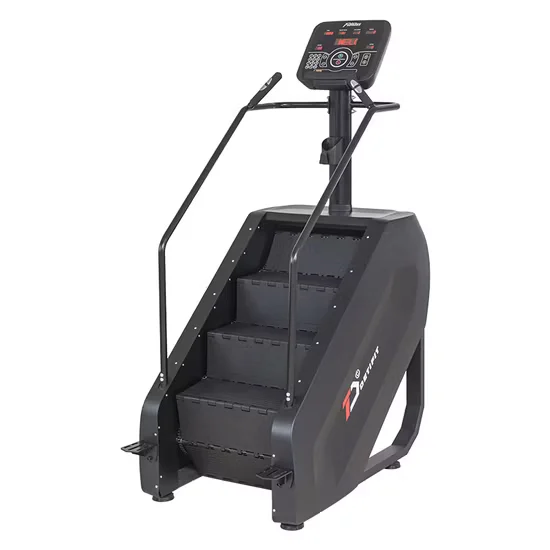
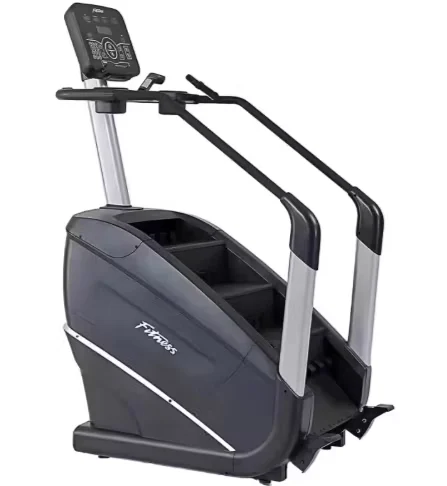
Commercial Stair Trainer, Motor Drive, 15–164 Steps/Min — steel pipe frame construction with PP plastic step surfaces sized at 560×235×220mm delivers structural rigidity under continuous high-intensity use; 148kg net weight anchors stability during peak stepping speeds. Integrated OSD console tracks time, climb, calories, steps, and heart rate for member engagement. Every unit undergoes load testing before shipment, ensuring frame and drive system reliability for high-traffic gym environments.
// Spec Highlights
• Direct from Manufacturer · No Middlemen · Worldwide Shipping
01
// Material
Imported Solid Wood
Premium hardwood frames sourced for density and visual warmth.
02
// Hardware
Medical-Grade Silent
Whisper-quiet pulleys and springs for clinical environments.
03
// Customization
Appearance OEM
Color, upholstery, and branding tailored to your studio.
04
// Service
Layout Design
Free venue planning for studios and rehab institutions.
Every component is selected for longevity, performance, and aesthetic harmony - from imported hardwood frames to silent medical-grade accessories.
// Features
Motor-Driven Step Assembly — engineered for 8+ hours daily operation without drive-train play.
| Parameter | Value |
|---|---|
| Product Type | Stair Climber / Step Machine |
| Drive Type | Motor Drive |
| Step Area | 560 × 235 × 220 mm |
| Running Velocity | 15 – 164 steps/min |
| Mains Input | AC220V±10% / AC110V±10% |
| Console Display (OSD) | Time, Climb, Calories, Steps, Heart Rate |
| Frame Material | Steel Pipe + PP Plastic |
| Net Weight | 148 kg |
| Product Dimensions | 1450 × 820 × 2080 mm |
| Certification | CE |
| Facility Type | Typical Use |
|---|---|
| Commercial gym cardio zone | High-traffic continuous stepping for member warm-up and conditioning |
| Hotel and resort fitness center | Guest-facing cardio station with intuitive console operation |
| University athletic department | Pre-season conditioning and sport-specific endurance training |
| Institutional fitness facility | Staff and student cardiovascular programming |
A stair climber that vibrates at speed loses member trust — and structural integrity follows.
Many units on the market rely on thin-gauge tubing and spot-welded joints that appear sound at the factory but develop resonance after months of continuous stepping at higher cadences. The step mechanism transmits cyclic force directly into the frame; if the steel pipe lacks adequate wall thickness or the joints are not fully fused, operators hear rattling within weeks and see hairline cracks at stress concentration points within a single commercial season [NEED_CITE: fatigue performance of welded steel structures under cyclic loading]. For gym owners, this means unplanned downtime, member complaints, and premature capital replacement.
This commercial stair climber for fitness centers occupies a distinct role on the cardio floor: it delivers lower-body concentric loading through a fixed vertical step path, complementing treadmills and ellipticals that emphasize horizontal or elliptical motion patterns. The 560 × 235 × 220 mm step area accommodates full-foot placement across a wide range of user shoe sizes, reducing edge-loading risk during unsupervised use. The motor-driven step mechanism supports a velocity range from 15 to 164 steps per minute, allowing operators to program progressive intensity without mechanical strain on the drive train. Its 148 kg net weight anchors the unit during high-cadence sessions, minimizing lateral shift on standard rubber flooring.
A commercial stair climber for fitness centers endures a specific stress profile: repetitive vertical impact through the step mechanism, torsional load at the frame-to-step junction, and sustained motor torque across extended daily run times. Unlike plate-loaded strength equipment where loads are static between reps, the step drive system generates continuous cyclic force that propagates through every welded joint and bearing point. Steel pipe frame construction must resist flex at the base plate and upper console mount — areas where thin-wall tubing deflects visibly under sustained high-speed use. The motor drive unit itself experiences thermal cycling during 8+ hour daily operation, requiring adequate ventilation clearance and sealed housing to prevent dust ingress from the gym environment [NEED_CITE: EN 957 structural requirements for stationary training equipment].
The steel pipe frame forms the primary load path for this unit. Wall thickness and tube cross-section determine the deflection threshold under dynamic stepping loads; heavier-gauge pipe resists vibration at the upper end of the 164 steps/min range, where lighter frames produce audible resonance. The motor drive system converts electrical input into mechanical step motion through a gear reduction mechanism — the quality of internal gearing and bearing seals determines whether the unit runs quietly after year one or develops grinding noise as gym dust penetrates unsealed housings. PP plastic step surfaces bonded to steel-pipe reinforcement balance impact absorption with long-term wear resistance, avoiding the chipping and surface degradation seen in all-plastic steps under high-traffic conditions. The integrated OSD console tracks time, climb distance, calories, steps, and heart rate, providing member engagement data without requiring external device pairing.
Manufacturers who reduce steel pipe wall thickness to cut material costs create a unit that passes visual inspection but fails under sustained commercial cadence. Thin-wall tubing flexes at the base junction, transferring vibration into the floor and accelerating wear on the motor mount bolts. Spot-welded joints — common in cost-reduced frames — crack along the heat-affected zone after repeated cyclic loading, creating a structural failure point that is invisible until the joint separates entirely [NEED_CITE: weld classification and fatigue performance in structural steel]. Unsealed motor housings allow gym dust and cleaning chemical residue to infiltrate the drive mechanism, shortening bearing life and increasing maintenance frequency. For facility operators, these shortcuts translate into higher total cost of ownership: more frequent service calls, earlier frame replacement, and member attrition from equipment that sounds and feels unreliable.
Every commercial stair climber for fitness centers produced in this facility is built on a steel pipe frame subject to mill-certified material traceability, ensuring the tube gauge delivered matches the gauge specified. Robotic MIG welding produces continuous fused joints along all structural seams — no spot-weld weak points that degrade under cyclic stepping loads. Each unit undergoes individual load testing before shipment, verifying step mechanism integrity and frame rigidity under simulated commercial-use conditions. The 1450 × 820 × 2080 mm footprint is incorporated into 2D-3D CAD floor planning support, ensuring safe clearance distances between adjacent cardio stations and compliant egress paths. CE certification confirms conformity with European safety standards for stationary training equipment.
Provide your cardio zone floor dimensions and existing equipment inventory to receive a 2D-3D layout plan showing optimal placement of this commercial stair climber for fitness centers with compliant spacing. Specify expected daily usage hours and peak member traffic to confirm the motor drive system matches your operational intensity. Indicate any console language, frame color, or branding customization requirements for facility integration.
Q: How does motor drive type affect long-term reliability in a commercial stair climber for fitness centers?
A: Motor-driven step mechanisms convert electrical energy into mechanical motion through internal gearing and bearing assemblies. Sealed bearing housings prevent gym dust and moisture from contaminating the gear train, extending service intervals. Units rated for continuous commercial duty maintain consistent step cadence across extended daily run times without thermal overload, reducing unplanned maintenance compared to open-drive designs that accumulate debris and wear prematurely.
Q: What frame construction features distinguish commercial-grade stair climbers from light-duty models?
A: Commercial-grade units use heavier-gauge steel pipe with adequate wall thickness to resist deflection under sustained high-cadence stepping. Continuous welded joints along all structural seams eliminate the spot-weld failure points common in cost-reduced frames. The 148 kg net weight of this unit reflects substantial steel content that anchors the machine during intense use, preventing the lateral shift and vibration that lighter frames exhibit at higher step velocities.
Q: What footprint and clearance dimensions are required for safe installation?
A: This unit measures 1450 × 820 × 2080 mm in operating configuration. Facility planners should allow minimum 600 mm rear clearance for motor ventilation and technician access, plus 450 mm side clearance between adjacent cardio stations for safe user entry and exit. The motor drive requires a dedicated AC220V or AC110V circuit to prevent voltage fluctuation during startup, which should be confirmed during electrical planning before delivery.
Q: How should operators evaluate console functionality for member engagement?
A: The integrated OSD console displays time, climb distance, calories burned, total steps, and real-time heart rate — metrics that allow members to track workout progress without external devices. Heart rate monitoring compatibility enables users to maintain target training zones. Console readability under gym lighting conditions and button responsiveness after prolonged use indicate whether the electronics are rated for commercial environments or designed for lighter residential duty cycles.
Premium aesthetics meet quiet operation for boutique studio environments.
Medical-grade silence and precision for sports & postpartum recovery.
Furniture-grade craftsmanship for premium residential installations.
Compact premium setups for one-on-one and small-group training.
Aesthetic Pilates integration for hybrid wellness studio programming.
Multi-unit deployment with instructor-grade reliability for certification programs.
Tell us about your project. Our team will respond within 24 hours with pricing, customization options, and shipping details.
// Sales Director
William
+86 132 2531 1800
// Export Manager
Bella
+86 198 5412 8032
william@bickfit.com