01 / Scenario
STUDIO
P
High-End Pilates Studios
Premium aesthetics meet quiet operation for boutique studio environments.
ISO
9001
CE
Certified
OEM
Available
10YR
Warranty
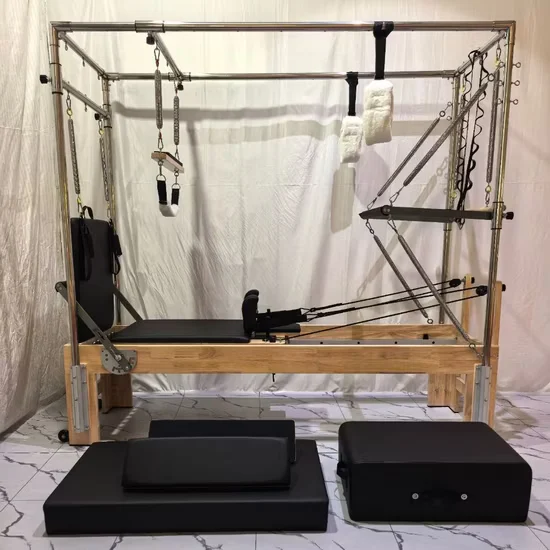
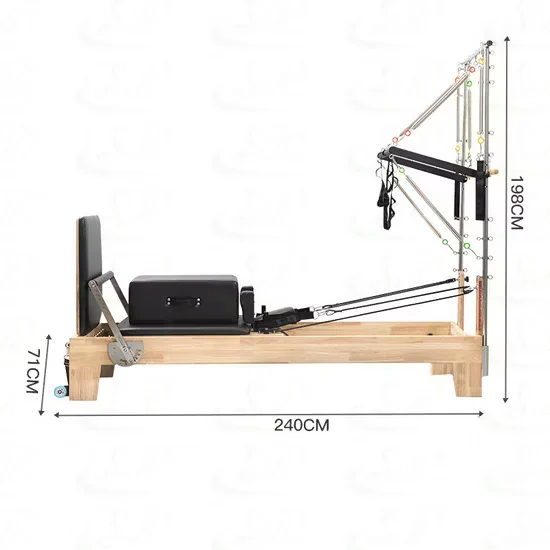
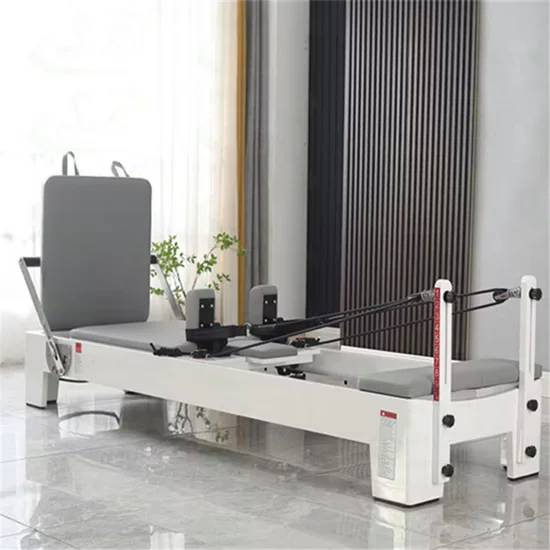
Pilates Reformer, Solid Wood Frame, 2460×730×680mm Dimensions, 100kg Net Weight — precision-machined rail system paired with a high-density timber base eliminates carriage drift and vibration during dynamic loading. Includes long box, jump board, and platform accessories with progressive spring resistance calibrated for rehabilitation through advanced training. Every unit undergoes full load testing and rail alignment verification before shipment.
Direct manufacturer supply with 17 years of commercial fitness equipment expertise, ensuring structural integrity and long-term performance for high-traffic environments.
// Spec Highlights
• Direct from Manufacturer · No Middlemen · Worldwide Shipping
01
// Material
Imported Solid Wood
Premium hardwood frames sourced for density and visual warmth.
02
// Hardware
Medical-Grade Silent
Whisper-quiet pulleys and springs for clinical environments.
03
// Customization
Appearance OEM
Color, upholstery, and branding tailored to your studio.
04
// Service
Layout Design
Free venue planning for studios and rehab institutions.
Every component is selected for longevity, performance, and aesthetic harmony - from imported hardwood frames to silent medical-grade accessories.
// Features
Solid Timber Stability — Precision-machined solid wood frame resists flex under dynamic carriage loading, paired with sealed wheel bearings for sustained rail alignment.
| Parameter | Value |
|---|---|
| Product Type | Pilates Reformer |
| Frame Material | Solid Wood |
| Frame Finish | White |
| Product Dimensions | 2460×730×680mm |
| Net Weight | 100kgs |
| Included Accessories | Long Box, Jump Board, Platform |
| Carriage System | Precision-machined rail with sealed wheel bearings |
| Spring System | Progressive resistance, multiple tension levels |
| Upholstery | High-density commercial-grade vinyl, replaceable |
| Customization | Available (color, logo, upholstery) |
| Warranty | 3 Years |
| Target User | Adult, Unisex |
| Facility Type | Typical Use |
|---|---|
| Boutique Pilates studio | High-turnover group reformer classes with daily scheduling |
| Home studio | Commercial-grade durability in a compact residential footprint |
| Commercial gym Pilates zone | Supplemental movement training adjacent to strength floors |
| Rehabilitation and physical therapy center | Low-impact progressive resistance for controlled recovery protocols |
Solid timber absorbs and distributes dynamic carriage loads without the delamination failure points inherent in laminated or composite alternatives.
Many reformers labeled "studio grade" ship with hollow-core or layered wood frames that tolerate light use but begin to warp once daily class schedules exceed a few sessions per week. The carriage drifts off-center, the rails lose parallel alignment, and the spring anchor points shift — problems that compound with every class until the unit requires full teardown and reinforcement [NEED_CITE: structural performance of solid timber versus engineered composites under cyclic loading]. I have seen laminated frames fail at the rail-mounting interface within six months of heavy rotation, because the adhesive layers cannot handle the repeated lateral shear that solid timber absorbs through its continuous grain structure.
The reformer addresses the full sagittal plane through supine, prone, and seated positions, targeting lower body, core stabilization, and upper body pulling and pressing patterns. In a studio layout, it pairs with the Cadillac and Wunda Chair to cover vertical loading and standing balance work that the reformer carriage does not address. For boutique studios running back-to-back classes, the 2460×730mm footprint allows efficient row spacing while maintaining safe passage between units. The adjustable spring configuration accommodates users from rehabilitation patients through advanced practitioners without hardware swaps. A commercial wooden pilates reformer in this format fits facilities that need one primary apparatus per station without sacrificing exercise variety.
The carriage generates repeated impact and eccentric loading at both ends of the rail travel, concentrating stress at the stop mechanisms and the frame-to-rail mounting points [NEED_CITE: fatigue loading patterns in sliding carriage exercise equipment]. In a studio running six or more classes daily, each unit cycles through hundreds of full-range repetitions, making the wheel-to-rail interface a primary wear path. Sealed bearings resist sweat and dust infiltration that degrades open bushings over time. The upholstery contact zones — shoulder rests, headrest, and footbar padding — endure compression cycles that flatten low-density foam within months, while high-density vinyl withstands daily cleaning chemicals without cracking.
Solid timber frame density determines how the reformer handles dynamic loading: a dense hardwood resists the lateral flex that causes rail misalignment, whereas softer or composite materials gradually shift under the same carriage travel. The rail straightness tolerance and the wheel material pairing define whether the carriage glides consistently or develops play that worsens with each use cycle. Spring steel grade governs how accurately the resistance holds at each tension setting — progressive springs calibrated across multiple levels allow smooth transitions from rehabilitation loads to advanced athletic training without swapping hardware. The upholstery specification, particularly foam density and cover material, dictates how long the padding retains its shape under daily compression and chemical cleaning. A commercial wooden pilates reformer built with verified solid timber and sealed rail components avoids the mid-life degradation that forces early replacement.
Thin-wall or composite frames may pass initial visual inspection but develop rail drift once the adhesive bonds weaken under cyclic loading, sending the carriage off-track and accelerating wheel wear. Non-sealed rail bearings accumulate dust and moisture, requiring frequent servicing that pulls units out of class rotation. Low-density upholstery compresses permanently within a season of heavy use, forcing reupholstery costs that exceed what a properly specified pad would have cost at purchase [NEED_CITE: commercial upholstery replacement cycles in high-use fitness environments]. Frames built from unspecified wood composites also resist repair — once the lamination separates at a mounting point, the entire section requires replacement rather than localized reinforcement.
Every timber frame is sourced with verifiable species and grade documentation, so you know the structural material before it enters production. The rail and carriage interface is machined to tolerance rather than assembled from off-the-shelf hardware, reducing the drift that plagues high-use studios. Each unit undergoes load testing before shipment, confirming carriage alignment and spring calibration under working conditions. The 200μm industrial-grade finish on hardware components resists sweat corrosion and cleaning chemical exposure common in studio environments. A 3-year warranty covers structural and mechanical components, backed by facility layout support that calculates safe clearance between reformer stations based on the 2460×730mm footprint. OEM customization — including frame color, logo placement, and upholstery selection — allows branding consistency across a multi-unit studio deployment.
Provide your studio floor dimensions and target reformer count to receive a 2D-3D layout plan with calculated clearance between stations. Specify your average daily class volume so we can confirm the structural grade matches your usage intensity. Indicate any customization requirements — frame color, logo placement, or upholstery material — to align the commercial wooden pilates reformer order with your studio branding standards.
Q: How do I verify a reformer uses solid timber rather than laminated or composite wood?
A: Request species and grade documentation from the supplier before purchase. Solid timber shows continuous grain across cut sections, while laminated frames reveal layered adhesive lines. Tap the frame — solid wood produces a dense, consistent tone, whereas hollow-core or composite construction sounds hollow. Ask for cross-section photos of the rail mounting area where material integrity matters most.
Q: What rail and carriage specifications indicate the unit will survive daily studio use?
A: Look for sealed bearings rather than open bushings, as they resist sweat and dust infiltration that causes play over time. Rail straightness tolerance should be specified in measurable terms. The wheel material must be matched to the rail surface — mismatched hardness accelerates wear on both components and leads to costly mid-life replacements.
Q: How is spring resistance calibrated and when do springs need replacement?
A: Progressive springs are calibrated at multiple tension levels, providing smooth resistance transitions from rehabilitation through advanced training. Springs lose tension accuracy over extended use cycles — inspect them annually for permanent elongation or inconsistent pull. Replace the full spring set together to maintain balanced resistance across all attachment points.
Q: What floor layout clearance is needed between reformers in a group class studio?
A: Plan for the reformer footprint of 2460×730mm plus lateral and end clearance for instructor access and safe user entry. Tight spacing restricts movement during standing or long-box exercises and complicates class flow. Request a CAD layout that accounts for door swing, storage zones, and ADA-compliant pathways alongside the reformer grid.
Q: What maintenance does a timber frame require in humid or coastal environments?
A: Timber absorbs ambient moisture, which can cause gradual swelling and affect rail alignment over time. Keep studio humidity within a stable range and wipe frames with dry cloths after cleaning. Inspect rail mounting fasteners seasonally, as wood movement can loosen hardware. Sealed bearings on the carriage reduce moisture-related degradation at the wheel interface.
Premium aesthetics meet quiet operation for boutique studio environments.
Medical-grade silence and precision for sports & postpartum recovery.
Furniture-grade craftsmanship for premium residential installations.
Compact premium setups for one-on-one and small-group training.
Aesthetic Pilates integration for hybrid wellness studio programming.
Multi-unit deployment with instructor-grade reliability for certification programs.
Tell us about your project. Our team will respond within 24 hours with pricing, customization options, and shipping details.
// Sales Director
William
+86 132 2531 1800
// Export Manager
Bella
+86 198 5412 8032
william@bickfit.com