01 / Scenario
STUDIO
P
High-End Pilates Studios
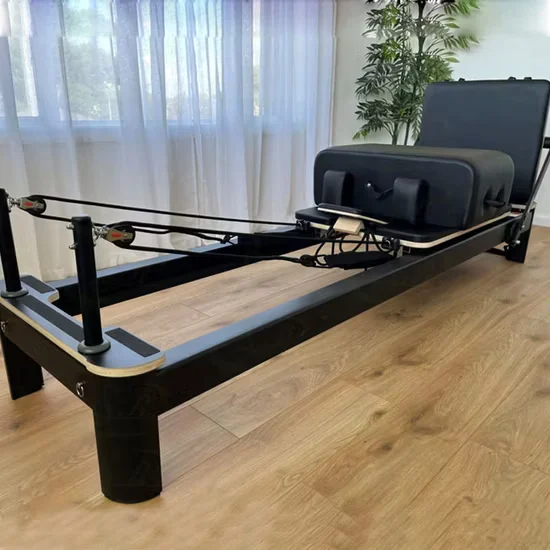
Premium aesthetics meet quiet operation for boutique studio environments.
ISO
9001
CE
Certified
OEM
Available
10YR
Warranty
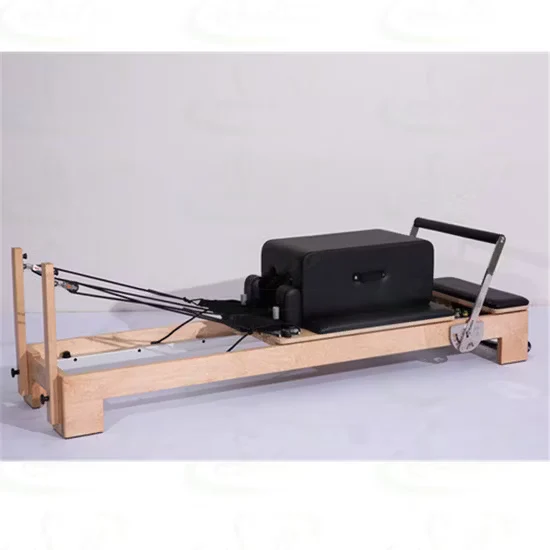
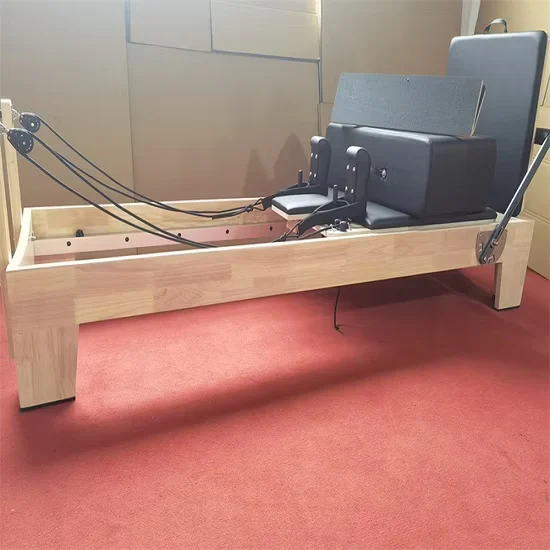
Reformer Pilates Machine, Solid Oak/Maple Timber Frame, 2460×730×680mm — engineered with solid hardwood construction to resist warping and delamination under cyclic spring loading, featuring industrial-grade spring tension system and sealed carriage rail for consistent glide. Available with long box, jump board, and platform accessories for versatile studio programming. Backed by 32-point inspection and 100% load testing before shipment from dedicated Pilates equipment facility.
// Spec Highlights
• Direct from Manufacturer · No Middlemen · Worldwide Shipping
01
// Material
Imported Solid Wood
Premium hardwood frames sourced for density and visual warmth.
02
// Hardware
Medical-Grade Silent
Whisper-quiet pulleys and springs for clinical environments.
03
// Customization
Appearance OEM
Color, upholstery, and branding tailored to your studio.
04
// Service
Layout Design
Free venue planning for studios and rehab institutions.
Every component is selected for longevity, performance, and aesthetic harmony - from imported hardwood frames to silent medical-grade accessories.
// Features
Hardwood Frame Integrity — Solid oak and maple timber construction eliminates the delamination and rail warp that plague composite-frame reformers in daily commercial use.
| Parameter | Value |
|---|---|
| Product Type | Reformer Pilates Machine |
| Frame Material | Solid Wood (Oak / Maple Timber) |
| Carriage Rail | Sealed bearing system |
| Spring System | Progressive tension, replaceable springs |
| Upholstery | Commercial-grade vinyl, available in standard or high-density options |
| Product Dimensions | 2460×730×680mm |
| Net Weight | 100kg |
| Color Options | Solid Color |
| Accessory | Long Box / Jump Board / Platform |
| Logo | Customized |
| Warranty | 3 Years |
| HS Code | 9506911900 |
| Production Capacity | 80 Pieces/Month |
| Certification | ISO 9001:2015, CE |
| Facility Type | Typical Use |
|---|---|
| Commercial Pilates studio | High-frequency group and private reformer sessions |
| Boutique yoga & movement studio | Reformer-based conditioning and flexibility classes |
| Rehabilitation & physical therapy clinic | Controlled resistance therapy and post-injury conditioning |
| Hotel & resort wellness facility | Guest-access reformer sessions and guided wellness programs |
Solid hardwood absorbs cyclic spring loading without the creep and delamination that compromise composite frames within the first year of studio use.
Most reformers sold into commercial environments use laminated plywood or low-density wood composites for the frame. These materials hold tolerance initially, but under repeated spring-tension cycles — hundreds of repetitions per day across multiple users — the adhesive layers begin to separate. Rail alignment drifts, the carriage develops lateral play, and the frame itself can warp as moisture cycles compound the mechanical stress. A solid oak or maple timber frame resists this degradation because the grain structure runs continuously through the entire cross-section, distributing load along the fiber rather than across glued interfaces [NEED_CITE: structural behavior of solid timber vs. laminated composite under cyclic loading].
This reformer supports the full spectrum of Pilates movement patterns — supine, prone, seated, kneeling, and standing work — engaging core stabilizers, lower-body posterior chain, and upper-body pulling musculature through spring-resisted carriage travel. In a studio layout, it pairs with mat stations and cadillac or tower units to cover the complete apparatus-based curriculum. It fits boutique studios running back-to-back classes and rehabilitation clinics where controlled, low-impact resistance is the primary therapeutic tool. The 2460mm length accommodates users across a wide range of statures without requiring frame extensions, making the commercial wooden reformer pilates machine practical for mixed-population facilities.
A reformer in a busy studio may see carriage cycles numbering in the thousands per day. Each repetition imposes tension on the frame through the spring anchor points, and the carriage rail bears both static load and dynamic lateral force during unilateral exercises. The timber frame handles these loads along its natural grain axis, but the critical stress points are the rail mounting interface and the spring attachment hardware. Sealed bearings in the carriage wheels prevent sweat and dust infiltration that accelerates wear in open-bearing systems [NEED_CITE: bearing contamination and service life in fitness equipment]. The spring system itself undergoes full extension and return cycles, and metal fatigue in lower-grade springs produces tension loss and inconsistent resistance curves over time.
The choice between oak and maple for the frame affects density, hardness, and vibration dampening differently — maple offers a tighter grain and higher surface hardness, while oak provides greater mass and acoustic dampening. Either species, when kiln-dried to appropriate moisture content, maintains dimensional stability under the humidity swings typical of studio environments. The carriage rail system depends on straightness tolerance and wheel-to-rail fit; sealed bearings maintain smooth travel and prevent the lateral play that develops when particulate matter enters an open bearing race. Spring configuration — typically a set of progressive-resistance springs — allows instructors to match load to user capability, and replaceable springs mean the tension system can be refreshed without replacing the entire carriage assembly. Upholstery density matters for daily-use studios: high-density foam resists compression set and maintains pad profile through years of contact and chemical cleaning.
A reformer built on a plywood or MDF composite frame may pass initial quality checks but begins revealing its weaknesses within months of commercial use. Rail surfaces on softer substrates wear unevenly, creating dead spots in carriage travel. Non-sealed bearings accumulate chalk dust, sweat residue, and ambient particulate, developing rough travel and requiring frequent replacement. Low-density foam padding compresses permanently under daily loading, splitting the vinyl cover and exposing the substrate — an aesthetic and hygiene failure that forces reupholstery. Springs manufactured without consistent temper control lose tension progressively, meaning the resistance a client feels in month six differs from what they experienced on day one [NEED_CITE: spring steel fatigue and tension retention in cyclic loading applications].
The solid hardwood frame — oak or maple — provides a structural foundation that composite alternatives cannot match in longevity or rigidity under commercial loading. The sealed carriage bearing system maintains glide consistency and eliminates the maintenance cycle of open-bearing carriages. Each unit ships with the full accessory set — long box, jump board, and platform — so the reformer supports the complete exercise repertoire without aftermarket purchases. Custom logo and color options allow brand alignment across a studio’s apparatus fleet. The three-year warranty covers structural and mechanical components, and production capacity supports multi-unit studio buildouts with consistent lead times.
Provide your studio floor dimensions and target apparatus count to receive a 2D layout showing reformer placement with safe clearance intervals. Specify daily session volume and user profile so the spring tension configuration and upholstery density can be matched to your traffic level. Indicate any branding requirements — custom logo placement or specific frame finish — to align the units with your studio identity.
Q: How do I tell a solid timber reformer frame apart from a plywood composite one?
A: Examine the frame cross-section at joint points and hardware mounting areas. Solid timber shows continuous grain running through the entire thickness, while plywood reveals alternating layer lines. Solid wood resists delamination under cyclic spring loading and maintains rail alignment over years of use, whereas composite frames separate at the adhesive layers and develop carriage play.
Q: What should I look for in carriage rail and wheel quality?
A: Confirm the carriage uses sealed bearings rather than open bushings or unsealed wheels. Sealed bearings prevent dust, chalk, and sweat from entering the race, maintaining smooth glide and consistent travel. Check rail straightness tolerance — any deviation causes uneven carriage movement and accelerates wheel wear on one side.
Q: How do I select spring tension for different user profiles in a commercial studio?
A: A progressive spring set covering light through full resistance accommodates rehabilitation clients through advanced practitioners. Light springs suit therapeutic and beginner sessions; medium springs cover general conditioning; full tension supports athletic users. Choose a system with individually replaceable springs so worn units can be swapped without replacing the entire set.
Q: How often does upholstery need replacement in a high-traffic studio?
A: Upholstery lifespan depends on foam density and vinyl grade. High-density foam resists permanent compression and maintains pad shape through thousands of daily contact cycles. Commercial-grade vinyl resists cracking from repeated cleaning with studio disinfectants. Specify replacement pad availability when purchasing so worn covers can be changed without returning the entire carriage to the supplier.
Premium aesthetics meet quiet operation for boutique studio environments.
Medical-grade silence and precision for sports & postpartum recovery.
Furniture-grade craftsmanship for premium residential installations.
Compact premium setups for one-on-one and small-group training.
Aesthetic Pilates integration for hybrid wellness studio programming.
Multi-unit deployment with instructor-grade reliability for certification programs.
Tell us about your project. Our team will respond within 24 hours with pricing, customization options, and shipping details.
// Sales Director
William
+86 132 2531 1800
// Export Manager
Bella
+86 198 5412 8032
william@bickfit.com