01 / Scenario
STUDIO
P
High-End Pilates Studios
Premium aesthetics meet quiet operation for boutique studio environments.

ISO
9001
CE
Certified
OEM
Available
10YR
Warranty
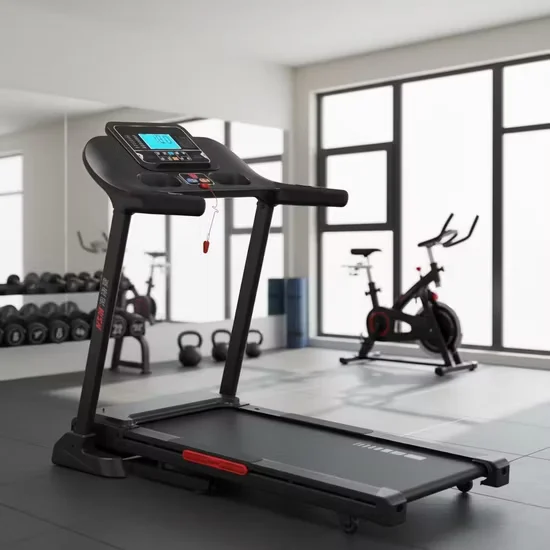
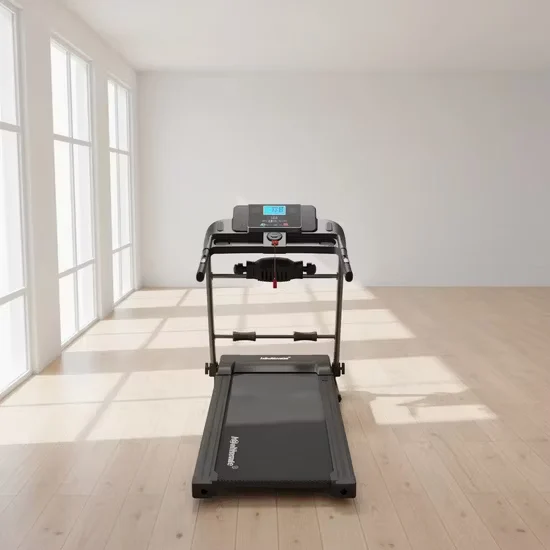
Electric Folding Home Treadmill, 1.5HP Motor, 1200×450 mm Running Surface — engineered for compact apartment storage with a fold-down height of just 220 mm and a 1-16 km/h speed range across 16 preset programs. The 42 kg net weight frame uses ABS housing over a steel tube chassis to minimize vibration at higher speeds, while the LCD console tracks speed, distance, time, and calories. Every unit undergoes continuous motor output verification and folding hinge fatigue cycle testing before shipment.
// Spec Highlights
• Direct from Manufacturer · No Middlemen · Worldwide Shipping
01
// Material
Imported Solid Wood
Premium hardwood frames sourced for density and visual warmth.
02
// Hardware
Medical-Grade Silent
Whisper-quiet pulleys and springs for clinical environments.
03
// Customization
Appearance OEM
Color, upholstery, and branding tailored to your studio.
04
// Service
Layout Design
Free venue planning for studios and rehab institutions.
Every component is selected for longevity, performance, and aesthetic harmony - from imported hardwood frames to silent medical-grade accessories.
// Features
Foldable Frame Integrity Under Repeated Use — The hinge pivot on this electric folding home treadmill is engineered to maintain alignment through daily fold-and-unfold cycles, preventing the lateral play that compromises collapse safety over time.
| Parameter | Value |
|---|---|
| Product Type | Electric Folding Treadmill |
| Motor Power | 1.5HP |
| Speed Range | 1–16 km/h |
| Running Surface | 1200 × 450 mm |
| Unfolded Dimensions | 1500 × 740 × 1150 mm |
| Folded Dimensions | 1810 × 740 × 220 mm |
| Net Weight | 42.0 kg |
| Pre-set Programs | 16 |
| Display | LCD (Speed / Distance / Time / Calories) |
| Housing Material | ABS |
| Foldable | Yes |
| Certification | CE, RoHS |
| OEM/ODM Custom | Available |
| Facility Type | Typical Use |
|---|---|
| Apartment living space | Daily walking and light jogging in constrained floor plans |
| Bedroom workout area | Fold-away cardio between sessions in multi-use rooms |
| Hotel room fitness corner | Compact self-powered option for guest wellness amenities |
| Boutique studio reception | Light-use warm-up station in low-traffic zones |
Most home treadmills advertise foldability as a convenience feature without disclosing what happens to the pivot joint after hundreds of cycles. The folding hinge on this electric folding home treadmill uses a pinned locking mechanism designed to resist lateral drift that turns a stable running platform into a collapsing hazard. Manufacturers who cut corners on hinge pin diameter or skip bushing inserts at the pivot point create units that wobble visibly at higher speeds — and worse, the fold latch can disengage under dynamic load. In my experience inspecting returned units, the first failure is never the motor; it is the hinge housing cracking where the ABS shell meets the steel frame tube, because the shell was never designed to carry structural load [NEED_CITE: fatigue failure modes in polymer-to-steel joint interfaces under cyclic loading].
This unit occupies a 1500 × 740 mm footprint when deployed, which fits standard bedroom and apartment alcoves without blocking egress paths. The 1200 × 450 mm running surface accommodates walking gaits and light jogging strides for users up to moderate height, while the 1.5HP motor sustains speeds up to 16 km/h for interval-style cardio. When folded to 220 mm height, the electric folding home treadmill slides under beds or stands vertically against a wall — a storage profile that commercial units cannot match. It complements bodyweight rigs or adjustable dumbbell stations in small-space home gyms where a dedicated cardio room is not feasible.
A folding treadmill endures two distinct load regimes: impact stress from footstrike during running, and torsional stress at the hinge during each fold cycle. The running deck absorbs repetitive vertical force — roughly one body weight per stride at walking pace, scaling upward with speed — while the frame tubes resist lateral flex at the console mount and handrail junctions. The folding pivot bears concentrated shear when the deck is lowered into position, and if the pivot bushing is undersized or unsealed, dust ingress accelerates wear until the fold action becomes stiff or misaligned. ABS housing panels add cosmetic finish but contribute negligible rigidity; the steel tube gauge beneath determines whether the unit vibrates at 12 km/h or remains stable [NEED_CITE: vibration damping characteristics of thin-wall steel frames in motorized fitness equipment].
The 1.5HP motor rating must be evaluated as continuous duty output, not peak stall torque — a distinction that determines whether the belt maintains consistent speed under load or bogs down at higher user weights. The 1200 × 450 mm deck dimensions set the practical ceiling for stride length; users with longer natural gaits will experience heel-strike proximity to the side rails at faster paces. The folded height of 220 mm reflects the deck thickness and hinge geometry — thinner decks reduce storage profile but may compromise cushioning density, so the internal deck layer composition matters for joint comfort during daily use. The 42 kg net weight indicates a steel frame substantial enough to damp motor vibration, yet light enough for one person to reposition when folded.
Manufacturers who reduce hinge pin diameter to save material cost create units where the fold latch loosens within months, requiring field tightening or full replacement. Non-sealed pivot bearings allow carpet fiber and dust to accumulate, increasing fold resistance until the mechanism jams. Thin-wall frame tubes beneath the ABS shell flex visibly at the console mount, causing the LCD display to rattle and mounting screws to back out. Low-density deck cushioning compresses permanently after weeks of daily use, eliminating shock absorption and transferring impact directly to the user’s joints — a failure invisible from the outside until the deck surface begins to crack.
BICKFIT applies the same structural engineering discipline to this electric folding home treadmill as to our commercial strength line: every unit undergoes load testing before shipment, not sample-based auditing. The folding hinge mechanism is validated through repeated cycle testing to confirm locking integrity under dynamic conditions. Our 2D-3D CAD layout service helps buyers confirm that the unfolded footprint and surrounding clearance meet safe usage zones in apartment and bedroom configurations. OEM customization covers housing color, logo placement, and LCD interface language to match brand requirements for residential fitness product lines.
Provide your floor plan dimensions and target placement zones so our team can generate a 2D-3D layout confirming clearance and egress compliance for the electric folding home treadmill. Specify expected daily usage frequency and user weight range so we can validate motor duty cycle and deck load suitability. Indicate any OEM requirements including housing color, branding, or display language preferences for bulk procurement.
Q: How do I verify the motor HP rating is suitable for sustained jogging versus walking only?
A: The 1.5HP specification should be confirmed as continuous duty output rather than peak torque. For walking at 4–6 km/h, this motor provides adequate reserve. For sustained jogging above 10 km/h, verify with the supplier that the motor thermal rating supports extended run times without overheating, particularly for users above 80 kg where belt friction increases load demand on the drive system.
Q: What causes folding treadmill hinges to fail and what should I check before bulk purchase?
A: Hinge failure typically originates from undersized pivot pins, missing bushings, or inadequate locking latch engagement depth. Request fold-cycle fatigue test data from the supplier — a residential unit should withstand several thousand cycles without latch loosening. Inspect the hinge housing material; steel-to-steel pivot joints outperform steel-to-ABS interfaces where the polymer carries structural load and cracks under repeated shear stress.
Q: How much clearance is needed around the treadmill for safe deployment in a bedroom?
A: The unfolded footprint measures 1500 × 740 mm. Add a minimum 600 mm behind the rear roller for dismount safety and 300 mm on each side for handrail access. Total recommended zone is approximately 2100 × 1340 mm. Ensure the fold-up path has no overhead obstructions like ceiling fans or low light fixtures, as the console rises to 1150 mm when deployed.
Q: What maintenance does the running belt and deck require for daily home use?
A: Lubricate the belt-deck interface every three to six months depending on usage frequency, using silicone-based lubricant specified by the manufacturer. Inspect belt edges for fraying and center-tracking alignment monthly. Deck cushioning should be checked annually for permanent compression; if the surface feels rigid compared to initial use, the cushioning layer has degraded and the deck may need replacement to maintain joint impact protection during walking or jogging sessions.
Premium aesthetics meet quiet operation for boutique studio environments.
Medical-grade silence and precision for sports & postpartum recovery.
Furniture-grade craftsmanship for premium residential installations.
Compact premium setups for one-on-one and small-group training.
Aesthetic Pilates integration for hybrid wellness studio programming.
Multi-unit deployment with instructor-grade reliability for certification programs.
Tell us about your project. Our team will respond within 24 hours with pricing, customization options, and shipping details.
// Sales Director
William
+86 132 2531 1800
// Export Manager
Bella
+86 198 5412 8032
william@bickfit.com