
01 / Scenario
STUDIO
P
High-End Pilates Studios
Premium aesthetics meet quiet operation for boutique studio environments.

ISO
9001
CE
Certified
OEM
Available
10YR
Warranty
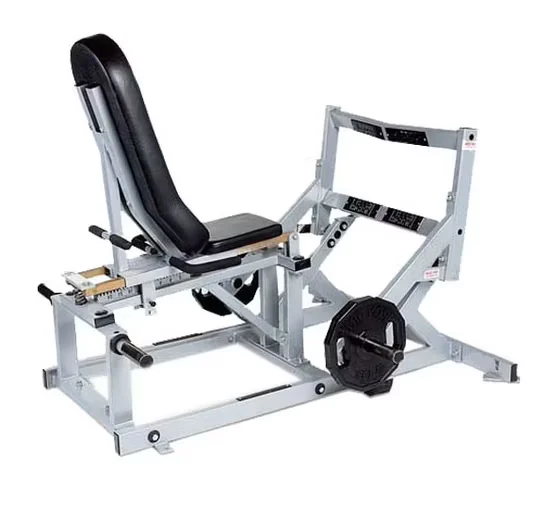
ISO-Lateral Decline Bench Machine, Plate Loaded Chest Press, 1300×1150×1750mm — engineered with independent converging arms to deliver a natural decline pressing path under heavy commercial loads. Built for high-traffic gym environments with structural durability and consistent movement mechanics across every repetition. Backed by 10-year frame warranty and full floor planning support for commercial strength zones.
// Spec Highlights
• Direct from Manufacturer · No Middlemen · Worldwide Shipping
01
// Material
Imported Solid Wood
Premium hardwood frames sourced for density and visual warmth.
02
// Hardware
Medical-Grade Silent
Whisper-quiet pulleys and springs for clinical environments.
03
// Customization
Appearance OEM
Color, upholstery, and branding tailored to your studio.
04
// Service
Layout Design
Free venue planning for studios and rehab institutions.
Every component is selected for longevity, performance, and aesthetic harmony - from imported hardwood frames to silent medical-grade accessories.
// Features
Converging Press Path, Verified Per Unit — Every ISO-Lateral Decline Bench Machine undergoes individual load testing before shipment, confirming frame rigidity and pivot alignment under commercial-grade plate loading.
| Parameter | Value |
|---|---|
| Product Type | Plate Loaded Chest Press |
| Loading Type | Plate loaded |
| Product Dimensions | 1300 × 1150 × 1750 mm |
| Net Weight | 141 kg |
| Certification | ISO 9001, CE |
| OEM / ODM | Available |
| Facility Type | Typical Use |
|---|---|
| Commercial gym strength floor | Primary plate loaded decline pressing station |
| Hotel and resort fitness center | Compact strength zone anchor piece |
| University athletic training room | High-volume lower chest development |
| Institutional performance facility | Iso-lateral converging press for team programs |
Commercial plate loaded decline chest press machines are often marketed with unspecified "commercial grade" tubing — yet under sustained heavy plate loading, frame flex at the pivot base compromises both movement accuracy and user safety.
11-gauge frame steel with mill-certified traceability eliminates guesswork at the weld joint.
Suppliers who cannot provide coil-level steel documentation leave buyers exposed: thin-wall tubes deflect under eccentric loading during decline pressing, creating uneven resistance arcs and accelerating bearing wear at the iso-lateral pivot. Over months of high-traffic use, this deflection compounds — the pressing path drifts, users compensate with shoulder rotation, and injury risk climbs while equipment lifespan shrinks. [NEED_CITE: structural steel gauge and deformation thresholds under cyclic loading]
This commercial plate loaded decline chest press occupies the lower-chest converging press slot in a well-configured strength floor. Its iso-lateral independent arms allow each side to move through a natural arc, reducing bilateral strength imbalances during heavy decline pressing. It pairs effectively with flat and incline plate loaded press stations to cover the full pectoral development spectrum. The 1300 × 1150 mm footprint fits standard commercial gym spacing guidelines while maintaining safe clearance for plate loading on both sides.
A plate loaded decline press endures mixed stress profiles: static holds during set transitions, impact loading when plates are added or dropped, and eccentric force concentration at the pivot bearings during the pressing arc. The iso-lateral arm pivot points experience the highest cyclic fatigue, particularly when users load unevenly or press through incomplete ranges. Sealed industrial bearings at these joints resist gym floor dust and sweat contamination that would otherwise degrade bushing-type pivots within months. Continuous robotic MIG welding along all frame joints distributes stress evenly, avoiding the crack propagation common in spot-welded frames under repeated heavy decline loading. [NEED_CITE: weld classification and fatigue performance in structural steel]
Frame tube gauge and cross-section dimensions directly determine the deformation threshold before permanent flex occurs under load. Thicker gauge steel with a larger cross-section resists bending at the pivot mount — the critical stress point on any decline press. Robotic continuous MIG welding produces full-penetration weld seams that maintain structural integrity across thousands of loading cycles, unlike spot welds that create localized weak points. Sealed bearings at the iso-lateral pivot preserve smooth arm rotation in dusty, high-humidity gym environments where open bushings develop play rapidly. The 200μm powder coating applied over sandblasted steel provides a durable barrier against sweat corrosion and contact wear at plate loading horns and adjustment points.
Thin-wall frame tubes that appear adequate when new will flex progressively under daily commercial decline pressing, eventually causing permanent frame distortion that no adjustment can correct. Spot-welded joints that pass visual inspection may crack under repeated eccentric loading, creating sudden structural failure risk during use. Non-sealed pivot bearings develop play within months in high-traffic environments, requiring frequent replacement and generating downtime. Low-density upholstery compresses permanently under daily use, exposing foam and requiring full replacement far earlier than commercial-grade options. Inadequate powder coating chips at contact points, exposing bare steel to sweat and cleaning chemicals that accelerate corrosion across the frame. [NEED_CITE: upholstery compression and replacement cycles in commercial fitness equipment]
Every ISO-Lateral Decline Bench Machine is built with 11-gauge frame steel traceable to mill certification, ensuring consistent material quality across production runs. Robotic continuous MIG welding eliminates spot-weld weak points on all structural joints, verified through three-stage QC inspection. Each unit undergoes individual load testing before shipment — not sample-based inspection — confirming frame rigidity and pivot alignment. The 200μm industrial powder coating over sandblasted steel resists chipping and corrosion in high-traffic commercial environments. A 10-year frame warranty backs the structural engineering. 2D-3D CAD floor planning support ensures this commercial plate loaded decline chest press integrates with proper spacing and safe clearance in your strength zone layout. OEM private label and custom color options are available for facility branding consistency.
Provide your strength zone dimensions and equipment list to receive a 2D-3D CAD layout showing optimal placement for this commercial plate loaded decline chest press with proper safety spacing. Specify your daily user volume so we can confirm the structural grade matches your traffic demands. Share target user body size ranges to verify seat and arm adjustment compatibility. Custom color, logo, and upholstery options are available for facility-specific branding.
Q: How does iso-lateral arm design differ from a fixed-bar decline press?
A: Iso-lateral independent arms allow each side to move through its own natural arc, accommodating strength imbalances and reducing shoulder joint stress during heavy decline pressing. Fixed-bar designs force both arms into a single path, which can create compensatory movement patterns when one side is stronger.
Q: What frame specifications should I verify for commercial decline press equipment?
A: Request mill-certified steel documentation showing gauge and grade. Confirm robotic continuous welding rather than spot welding on all structural joints. Verify per-unit load testing before shipment rather than sample-based inspection. These factors determine long-term frame rigidity under repeated heavy plate loading.
Q: How does plate loaded equipment compare to selectorized machines for decline pressing?
A: Plate loaded decline press stations allow incremental weight adjustments and accommodate heavier loads beyond typical selectorized stack limits. The commercial plate loaded decline chest press design also provides greater structural simplicity with fewer wear components, reducing maintenance requirements in high-traffic facilities.
Q: What spacing is needed around this equipment in a commercial gym layout?
A: The 1300 × 1150 mm footprint requires minimum 600 mm clearance on all sides for safe plate loading and user movement. Additional space should be allocated for bench adjustment access and safe dismount. Floor planning support ensures proper integration with adjacent stations.
Q: What maintenance does the iso-lateral pivot require under daily commercial use?
A: Sealed industrial bearings at the pivot points resist dust and moisture contamination, significantly extending service intervals compared to open bushings. Visual inspection for bearing play every six months is recommended. The sealed design minimizes lubrication requirements and reduces downtime in high-traffic environments.
Premium aesthetics meet quiet operation for boutique studio environments.
Medical-grade silence and precision for sports & postpartum recovery.
Furniture-grade craftsmanship for premium residential installations.
Compact premium setups for one-on-one and small-group training.
Aesthetic Pilates integration for hybrid wellness studio programming.
Multi-unit deployment with instructor-grade reliability for certification programs.
Tell us about your project. Our team will respond within 24 hours with pricing, customization options, and shipping details.
// Sales Director
William
+86 132 2531 1800
// Export Manager
Bella
+86 198 5412 8032
william@bickfit.com

![Commercial Incline Bench OS-H5064 for Gym Use [WARN] draft identifier mismatch](https://bickgym.com/wp-content/uploads/2026/08/commercial-incline-bench-os-h5064-for-gym-use-warn-draft-identifier-mismatch-f76745.webp)
