01 / Scenario
STUDIO
P
High-End Pilates Studios
Premium aesthetics meet quiet operation for boutique studio environments.

ISO
9001
CE
Certified
OEM
Available
10YR
Warranty
// Spec Highlights
• Direct from Manufacturer · No Middlemen · Worldwide Shipping
01
// Material
Imported Solid Wood
Premium hardwood frames sourced for density and visual warmth.
02
// Hardware
Medical-Grade Silent
Whisper-quiet pulleys and springs for clinical environments.
03
// Customization
Appearance OEM
Color, upholstery, and branding tailored to your studio.
04
// Service
Layout Design
Free venue planning for studios and rehab institutions.
Every component is selected for longevity, performance, and aesthetic harmony - from imported hardwood frames to silent medical-grade accessories.
// Features
Designation | MT296
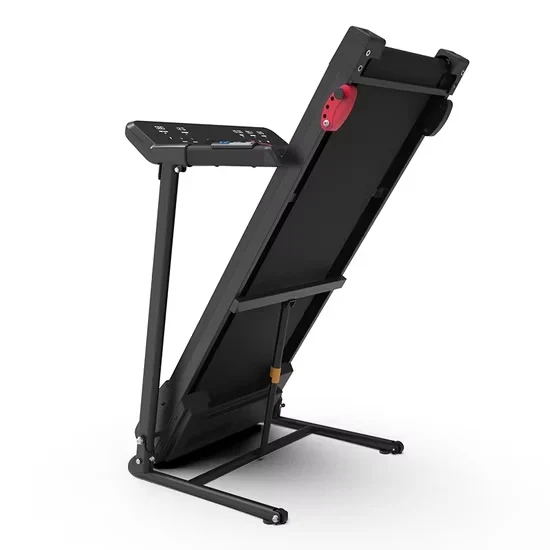
Foldable Frame Rigidity Verified — The MT296 foldable frame maintains structural alignment under repeated deployment cycles, with hinge reinforcement preventing lateral play during sustained running at 20 km/h.
| Parameter | Value |
|---|---|
| Designation | MT296 |
| Product Type | Motorized Treadmill |
| Frame Material | ABS |
| Motor Power | DC 2.0HP |
| Maximum Speed | 1-20 km/h |
| Incline | Electric Incline |
| Runway Size | 1200×520mm |
| LCD Display | Speed / Distance / Time / Calories / Pulse |
| Programs | 16 preset programs |
| Foldable | Yes |
| Product Unfold Size | 1580×865×1300mm |
| Product Folded Size | 910×865×1345mm |
| Net Weight | 64.0 kg |
| Certification | CE, RoHS |
| OEM / ODM | Available |
| Facility Type | Typical Use |
|---|---|
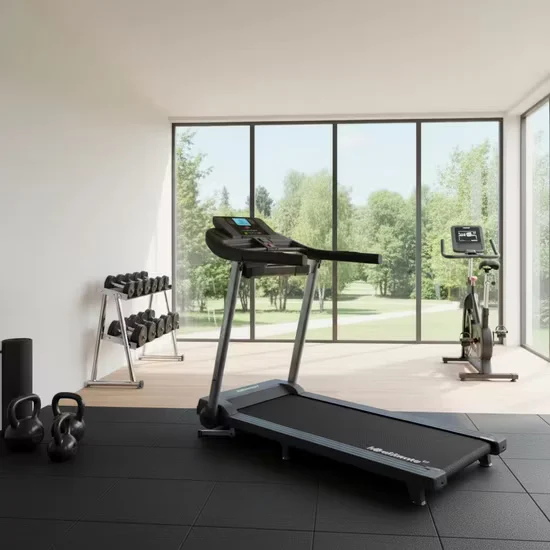
| Home fitness | Daily cardio training in space-constrained residential setups |
| Light commercial gym | Moderate-traffic cardio floor for member retention |
| Hotel fitness room | Reliable low-maintenance equipment for guest use |
| Apartment gym | Compact cardio solution with foldable storage |
| Personal training studio | Supplementary cardio station for warm-up and conditioning |
Many treadmills marketed for sustained use rely on vague motor specifications and thin deck constructions that degrade under daily loading cycles. The electric incline motorized treadmill MT296 addresses this with a verified DC 2.0HP motor and a structurally reinforced ABS body frame engineered for consistent belt drive.
Operators frequently discover that motor horsepower ratings stated without continuous-load context fail to reflect real-world belt performance under heavier users or extended sessions. The DC 2.0HP motor in this unit is paired with an electric incline mechanism that maintains ramp angle stability without manual pin adjustments, reducing mechanical complexity and wear points. [NEED_CITE: motor duty cycle classification for sustained treadmill operation]
The MT296 occupies a specific niche in cardio floor planning where space efficiency and reliable motor performance intersect. The 1200×520mm running surface provides adequate stride room for adult users across a range of body types, while the foldable frame design reduces the footprint from 1580×865mm to 910×865mm when not in use. This makes the electric incline motorized treadmill MT296 suitable for facilities that need to balance cardio capacity with functional training zones or free weight areas. The 16 preset programs and LCD feedback loop support structured sessions without requiring external programming interfaces.
Foldable treadmill frames introduce a structural vulnerability that rigid-frame units do not face: the hinge mechanism must maintain alignment and rigidity through hundreds of deployment cycles while absorbing impact loads from running. The MT296 foldable frame engineering addresses this with reinforced hinge points designed to resist lateral play and vertical deflection during use at maximum speed. The electric incline mechanism adds another moving component that must operate reliably under sweat, dust, and cleaning chemical exposure. Bearing seals and motor housing integrity become critical factors in determining long-term maintenance frequency. [NEED_CITE: hinge fatigue performance in foldable fitness equipment frames]
The DC 2.0HP motor rating determines the belt drive system’s ability to maintain consistent speed under varying user loads. A motor rated for continuous duty rather than peak output will sustain the 1-20 km/h speed range without thermal degradation during extended sessions. The 1200×520mm running surface dimensions directly affect stride comfort and safety margin — shorter or narrower decks force users to alter their natural gait, increasing joint stress and reducing session quality. The electric incline mechanism replaces manual pin-based systems with a motor-driven ramp adjustment, eliminating the need for users to dismount and reposition pins mid-session. The ABS frame material provides impact resistance and surface durability while keeping the 64.0 kg net weight manageable for repositioning during facility layout changes.
Treadmills built with thin deck constructions and underspecified motors develop belt slippage and motor overheating within months of commercial use. Non-sealed bearing systems in the roller and incline mechanism accumulate dust and debris, leading to increased friction and premature failure. Foldable frames with inadequate hinge reinforcement develop lateral play that compromises running stability and creates noise complaints in shared facility environments. Thin powder coating on exposed frame surfaces chips at contact points, exposing bare material to sweat corrosion and accelerating aesthetic degradation. These failures compound maintenance costs and reduce equipment availability during peak usage hours. [NEED_CITE: bearing seal effectiveness in high-traffic fitness equipment environments]
The MT296 is engineered with a DC 2.0HP motor verified for continuous duty operation, paired with an electric incline mechanism that maintains consistent ramp adjustment without manual intervention. The foldable frame design reduces the operational footprint while maintaining structural rigidity through reinforced hinge engineering. The 1200×520mm running surface accommodates adult users across a range of stride lengths, and the 16 preset programs provide structured workout options without external device dependency. CE and RoHS certifications confirm compliance with European safety and environmental standards. OEM and ODM availability allows facility operators to align branding and specification requirements across multi-site deployments.
Provide your facility cardio floor area and equipment list to receive 2D-3D layout planning support for optimal spacing and traffic flow. Specify average daily user volume to match the motor duty cycle and structural grade to your usage intensity. Indicate target user body type range to confirm running surface dimensions and speed range meet requirements. Custom branding, color, and specification modifications are available through OEM and ODM programs.
Q: How should motor HP ratings be evaluated for real-world treadmill performance?
A: Motor horsepower ratings must be assessed under continuous duty conditions rather than peak output specifications. A DC 2.0HP motor rated for sustained operation will maintain consistent belt speed across the 1-20 km/h range without thermal degradation, even under heavier user loads or extended session durations. Peak-only ratings may indicate insufficient thermal management for commercial environments.
Q: What are the maintenance differences between electric incline and manual pin-based systems?
A: Electric incline mechanisms eliminate the need for users to dismount and manually reposition pins during workouts, reducing interruption and improving session flow. However, the motor-driven ramp adjustment requires periodic inspection of the incline motor housing, bearing seals, and adjustment range accuracy. Manual systems have fewer moving parts but create user friction and may develop pin looseness over time.
Q: What structural factors determine foldable treadmill frame rigidity?
A: Foldable frame rigidity depends on hinge reinforcement design, hinge pin diameter, and the materials used at the folding joint. The hinge must resist lateral play and vertical deflection during running impact while maintaining alignment through hundreds of deployment cycles. Inadequate hinge engineering leads to frame wobble, noise generation, and accelerated wear at the folding point.
Q: How do running surface dimensions affect user comfort and safety?
A: The 1200×520mm running surface provides adequate stride length for most adult users while maintaining a width that supports natural gait patterns without forcing lateral constraint. Shorter decks force stride compression, increasing joint stress, while narrower surfaces create edge-strike risk during fatigue. Surface dimensions should match the expected user body type range for the facility.
Q: What inspection points are critical for foldable treadmill maintenance?
A: Foldable hinge points must be checked for lateral play and structural alignment at regular intervals. The DC motor housing and electric incline mechanism require thermal performance verification under load. Running belt tension, deck wear, and roller bearing condition should be inspected based on daily usage hours. ABS frame surfaces need sweat residue removal to prevent surface degradation.
Premium aesthetics meet quiet operation for boutique studio environments.
Medical-grade silence and precision for sports & postpartum recovery.
Furniture-grade craftsmanship for premium residential installations.
Compact premium setups for one-on-one and small-group training.
Aesthetic Pilates integration for hybrid wellness studio programming.
Multi-unit deployment with instructor-grade reliability for certification programs.
Tell us about your project. Our team will respond within 24 hours with pricing, customization options, and shipping details.
// Sales Director
William
+86 132 2531 1800
// Export Manager
Bella
+86 198 5412 8032
william@bickfit.com