01 / Scenario
STUDIO
P
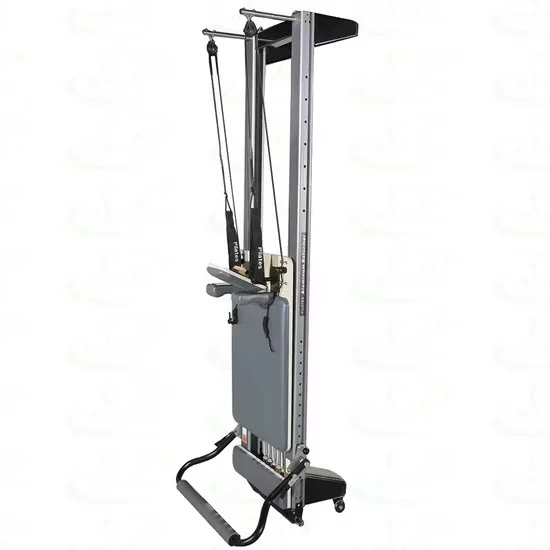
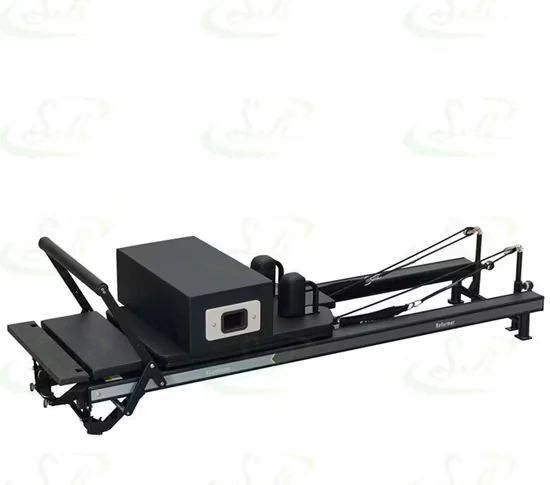
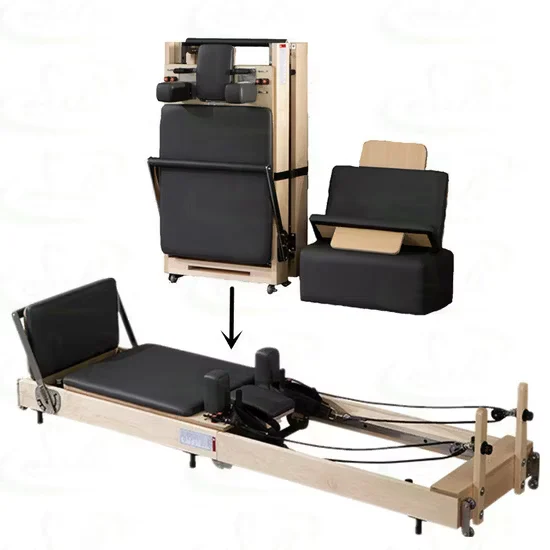
High-End Pilates Studios
Premium aesthetics meet quiet operation for boutique studio environments.
ISO
9001
CE
Certified
OEM
Available
10YR
Warranty
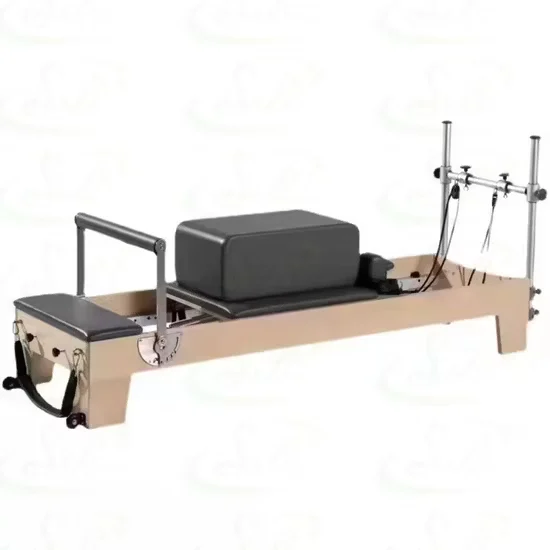
Oak Wood Pilates Reformer, Solid Oak Frame, 1850×560×75mm — engineered with species-specific grain density for long-term rail stability and vibration damping under daily studio use. Includes long box, jump board, and platform with bolt-through mounting for dynamic load rigidity. Backed by a 3-year warranty and 32-point inspection with 100% load testing before shipment.
// Spec Highlights
• Direct from Manufacturer · No Middlemen · Worldwide Shipping
01
// Material
Imported Solid Wood
Premium hardwood frames sourced for density and visual warmth.
02
// Hardware
Medical-Grade Silent
Whisper-quiet pulleys and springs for clinical environments.
03
// Customization
Appearance OEM
Color, upholstery, and branding tailored to your studio.
04
// Service
Layout Design
Free venue planning for studios and rehab institutions.
Every component is selected for longevity, performance, and aesthetic harmony - from imported hardwood frames to silent medical-grade accessories.
// Features
Solid Oak Frame Density — Kiln-dried hardwood with verified grain orientation resists carriage rail wear and anchor fatigue across daily studio sessions.
| Parameter | Value |
|---|---|
| Product Type | Pilates Reformer |
| Material | Oak Wood |
| Product Dimensions | 1850×560×75mm |
| Net Weight | 35kgs |
| Color | Solid Color |
| Accessory | Long Box / Jump Board / Platform |
| Warranty | 3 Years |
| Logo | Customized Is Allowed |
| Age Group | Adult |
| Gender | Unisex |
| Facility Type | Typical Use |
|---|---|
| Commercial Pilates studio | Group and private classical and contemporary reformer sessions |
| Rehabilitation and physiotherapy clinic | Controlled resistance exercises for post-injury recovery protocols |
| Boutique fitness and yoga center | Low-impact full-body conditioning integrated into class schedules |
| Hotel and resort fitness facility | Guest-accessible reformer stations with full accessory versatility |
| Home pilates practice | Dedicated personal studio with complete accessory ecosystem |
Solid oak provides structural rigidity and vibration damping that laminated or plywood alternatives simply cannot deliver under repetitive studio loading.
Many Pilates reformers on the market are listed as "solid wood" without disclosing the actual species, joint construction method, or moisture content at time of assembly. The result shows up predictably: carriage wobble within the first year, spring anchor point fatigue where bolts slowly enlarge their holes, and rail surfaces that develop visible wear grooves from repeated carriage travel. A commercial oak wood pilates reformer built from properly specified hardwood avoids these failure modes because the wood density itself acts as the primary structural variable. Studio operators who run six or more sessions daily on each machine have little tolerance for rail play or anchor loosening — the maintenance burden alone makes species selection a procurement decision, not an aesthetic one. [NEED_CITE: hardwood density standards for structural fitness equipment frames]
The commercial oak wood pilates reformer covers the full spectrum of supine, prone, seated, and standing movement patterns when paired with its long box, jump board, and platform accessories. In a studio layout, it functions as the primary carriage station around which smaller apparatus — chairs, barrels, and cadillacs — fill complementary roles. The 1850mm rail length accommodates users across a wide height range without requiring equipment adjustment between clients, which matters in high-throughput group class environments. For facilities running back-to-back sessions, the accessory interchangeability means a single reformer can transition from classical footwork series to plyometric jump board drills within one class period.
Every reformer session generates hundreds of carriage cycles where spring tension loads transfer directly through the anchor points embedded in the wood frame. The stress pattern is not purely static — it involves eccentric loading as the carriage decelerates at rail end, combined with lateral shear forces when users apply asymmetric foot or hand pressure on the carriage surface. Spring anchor fatigue accumulates invisibly in the wood fiber surrounding bolt holes, and once enlargement begins, the carriage develops a detectable lateral play that instructors notice during precision work. The wheel-to-rail interface endures similar cyclical wear, where material pairing between the wheel composition and oak rail surface determines whether smoothness degrades gradually or through sudden flat-spotting events. [NEED_CITE: cyclic fatigue behavior in hardwood mechanical joints]
Oak species density directly influences how the carriage rail surface responds to thousands of wheel passes — denser grain structures resist the formation of wear grooves that eventually create a bumpy carriage ride. The spring anchor point construction method matters equally: anchors embedded directly into solid wood with through-bolting distribute tension loads across a wider fiber area compared to surface-mounted plate systems that concentrate stress at screw boundaries. Moisture content at assembly time determines whether the frame will shift dimensionally after installation in climate-controlled studios, potentially pulling rail alignment out of true. Wheel material selection paired with oak creates a specific friction coefficient that governs both the feel of carriage travel and the long-term wear rate on both surfaces. The accessory mounting approach — whether bolt-through or surface-mount — dictates how much dynamic load the jump board and platform can absorb before fastener loosening begins.
Thinner or unspecified wood species compress at the carriage rail contact zone, creating permanent grooves that make carriage movement feel rough and require full rail replacement rather than simple maintenance. Surface-mounted spring anchors that rely on wood screws rather than through-bolts gradually pull free from the frame under repetitive high-tension loading, and once that fiber damage occurs, the repair involves rebuilding the anchor zone entirely rather than tightening hardware. Low-grade carriage wheels made from hard plastics develop flat spots and generate noise that disrupts the studio environment, while simultaneously accelerating rail surface degradation. When accessory mounting points use shallow hardware, the jump board develops visible flex under dynamic loading, which instructors recognize immediately as a safety concern during plyometric sequences. [NEED_CITE: fastener withdrawal resistance in hardwood species]
Solid oak construction with verified species certification provides a frame that holds dimensional stability across seasonal humidity fluctuations in studio environments. Every anchor point is through-bolted rather than surface-screwed, distributing spring tension loads across maximum wood fiber engagement to prevent the hole enlargement that plagues reformers in high-session-count facilities. The carriage wheel and rail pairing is specified for continuous daily studio use, meaning the maintenance interval extends well beyond what budget reformer builds require. Full accessory integration — long box, jump board, and platform — mounts through bolt-through connections that maintain rigidity under dynamic loading conditions. The three-year warranty covers frame structural integrity, reflecting confidence in the oak species selection and joinery methods used throughout production.
Provide your studio floor dimensions and planned reformer count to receive a 2D-3D layout showing safe clearance zones between stations and instructor circulation paths. Specify your average daily session volume per machine so the structural grade and warranty terms align with actual use intensity. Confirm the height range of your client base to verify the rail length accommodates full carriage travel without limitation. Detail any customization requirements including logo placement or color preferences for brand consistency across your equipment fleet.
Q: How can I verify the frame is solid oak rather than veneer over plywood or MDF?
A: Request the wood species certification document that accompanies the product, which identifies the exact species and moisture content at time of assembly. Visually, solid oak shows continuous grain patterns through cross-sections at joints and anchor points, while veneer construction reveals layered edges where the core material differs from the surface. Through-bolt holes in solid wood show consistent fiber density around fastener paths, unlike composite cores that crumble or delaminate under close inspection.
Q: What determines how smooth the carriage feels after extended studio use?
A: Carriage smoothness depends on the wheel material composition paired against the oak rail surface, along with the dimensional tolerance between wheel diameter and rail width. Wheels that are too hard develop flat spots under static loading, while rails that lack proper surface finishing develop micro-grooves from particle accumulation. Regular inspection of wheel roundness and rail cleanliness maintains the original travel feel well beyond what budget wheel-and-rail combinations can sustain.
Q: How do the included accessories mount to the reformer frame?
A: The long box, jump board, and platform all attach through bolt-through connections that pass entirely through the oak frame members, distributing dynamic loads across the full wood cross-section rather than concentrating stress at surface-level fasteners. This mounting method prevents the loosening and flex that surface-screwed accessories develop under repeated jump board impact or long box lateral loading during advanced exercises.
Q: What maintenance does the oak frame require in a commercial studio environment?
A: The oak frame needs periodic inspection at anchor points and mounting locations for any signs of hardware loosening, which typically requires simple re-torquing rather than component replacement. Surface cleaning should use wood-compatible products applied to cloths rather than sprayed directly, preventing moisture accumulation around metal-to-wood contact zones where corrosion could transfer staining to the wood grain over time.
Premium aesthetics meet quiet operation for boutique studio environments.
Medical-grade silence and precision for sports & postpartum recovery.
Furniture-grade craftsmanship for premium residential installations.
Compact premium setups for one-on-one and small-group training.
Aesthetic Pilates integration for hybrid wellness studio programming.
Multi-unit deployment with instructor-grade reliability for certification programs.
Tell us about your project. Our team will respond within 24 hours with pricing, customization options, and shipping details.
// Sales Director
William
+86 132 2531 1800
// Export Manager
Bella
+86 198 5412 8032
william@bickfit.com