01 / Scenario
STUDIO
P
High-End Pilates Studios
Premium aesthetics meet quiet operation for boutique studio environments.

ISO
9001
CE
Certified
OEM
Available
10YR
Warranty
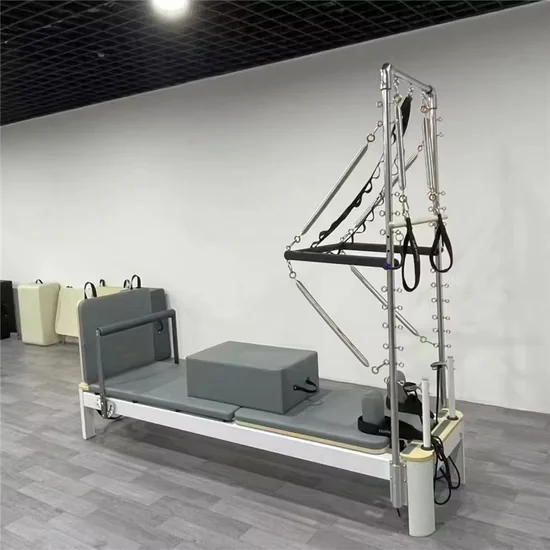
Portable Wood Foldable Pilates Reformer, Solid Oak Frame, 2400×600mm Dimensions — engineered with solid oak construction for rigid carriage tracking and dimensional stability under repetitive spring tension, featuring a foldable hinge mechanism for compact storage without compromising structural integrity during use. Includes long box, jump board, and platform accessories with 100kg net weight and 3-year warranty coverage. Custom logo available with 80 pieces monthly production capacity.
// Spec Highlights
• Direct from Manufacturer · No Middlemen · Worldwide Shipping
01
// Material
Imported Solid Wood
Premium hardwood frames sourced for density and visual warmth.
02
// Hardware
Medical-Grade Silent
Whisper-quiet pulleys and springs for clinical environments.
03
// Customization
Appearance OEM
Color, upholstery, and branding tailored to your studio.
04
// Service
Layout Design
Free venue planning for studios and rehab institutions.
Every component is selected for longevity, performance, and aesthetic harmony - from imported hardwood frames to silent medical-grade accessories.
// Features
Solid Oak Frame Stability — Verified hardwood joinery resists the delamination and rail warping common in laminated plywood reformers under repetitive spring tension.
| Parameter | Value |
|---|---|
| Product Type | Pilates Reformer |
| Material | Solid Oak Wood |
| Model NO. | SRY-20B |
| Product Dimensions | 2400×600×350mm |
| Net Weight | 100kgs |
| Accessory Options | Long Box / Jump Board / Platform |
| Color | Solid Color (custom finishes available) |
| Foldable Frame | Yes, hinged carriage rail system |
| Customization | Logo and finish options available |
| Production Capacity | 80 Pieces/Month |
| Warranty | 3 Years |
| Facility Type | Typical Use |
|---|---|
| Home fitness rooms | Space-saving foldable storage between sessions in limited-floor-area environments |
| Boutique Pilates studios | Flexible floor layouts where reformers are stored or repositioned between group classes |
| Personal training spaces | Dedicated one-on-one instruction with equipment that tucks away after use |
| Rehabilitation and physical therapy centers | Low-impact resistance work requiring stable, quiet carriage travel |
| Compact commercial wellness facilities | Multi-use rooms that convert between Pilates, yoga, and functional training |
Solid oak holds screw threads and rail alignment under cyclic spring loading where bonded wood cores gradually separate.
Most wood reformers in the market rely on laminated plywood or MDF cores that look solid at delivery but begin to delaminate once spring tension cycles pull on the rail mounting points week after week. The fasteners loosen because the substrate lacks the screw-holding density of solid hardwood, and the carriage develops lateral play that transfers into uneven tracking. This is especially visible in foldable designs, where the hinge mechanism adds another stress concentration point that particleboard simply cannot sustain. [NEED_CITE: wood species density and fastener withdrawal strength in structural joinery]
This reformer covers the full Pilates repertoire — supine footwork, seated arm work, prone pulling sequences, and standing platform exercises — engaging the core, lower body, and upper body through spring-resisted carriage travel. In a boutique studio layout, it pairs with mat zones and small apparatus like the spine corrector or magic circle to fill a complete class format without requiring additional large equipment. The foldable frame lets a studio operator clear the floor for yoga or functional sessions, which matters when square-meter cost is high. Users across a wide range of height and experience levels can work within the carriage travel range and spring configurations provided.
The primary structural loads on a portable wood foldable Pilates reformer are not peak forces but repetitive cyclic tension from springs pulling the carriage back and forth thousands of times per week. The hinge joint where the frame folds is the highest-stress zone; any deflection here translates directly into rail misalignment and noisy carriage travel. Wheel-to-rail contact surfaces wear based on wheel material and rail straightness tolerance, and even minor deviations compound into audible rumble within months. Spring hooks and attachment points see concentrated load each time a user changes resistance, and the oak frame must resist splitting at these insert locations over years of use. [NEED_CITE: fatigue behavior of solid wood under cyclic mechanical fastener loading]
Solid oak has a density and grain structure that gives fastener threads significantly more withdrawal resistance compared to plywood or MDF, which matters because the rail mounting screws are the single most critical structural connection on the entire reformer. When those screws hold firm, the rails stay parallel and the carriage tracks smoothly without lateral drift. The foldable hinge mechanism depends on reinforcement plate thickness and pivot pin diameter — undersized hardware here introduces wobble that no amount of wood quality can compensate for. Carriage wheel composition determines both noise and longevity; nylon wheels run quiet but wear faster on hardwood rails, while steel-core wheels last longer but require precise rail finish to avoid surface scoring. The spring system’s resistance gradient and number of springs define the progressive loading range available to users at different levels.
Thinner wood or veneer-over-plywood construction may look identical in product photos but reveals itself within the first year of commercial use when rail screws work loose and the carriage develops side-to-side play. Undersized hinge hardware on a foldable design leads to visible frame deflection when a user performs standing exercises on the platform, which is both a performance issue and a liability concern. Non-calibrated springs lose their resistance rating unevenly, making progressive loading unpredictable between units in the same studio. When any of these components fail, the absence of standardized replacement parts means the entire unit may need to be taken out of service rather than repaired. [NEED_CITE: total cost of ownership for fitness equipment with non-standard replacement parts]
Solid oak sourcing with species verification ensures every unit starts with the correct density baseline, not a veneer concealment over a softer core. Robotic and precision joinery processes keep hinge plate alignment and rail mounting hole positions consistent from unit to unit. Each reformer undergoes load testing before shipment to confirm the hinge mechanism and rail system perform under maximum user weight without deflection. The 200μm-level surface finishing protects the wood from sweat and cleaning agents in studio environments. The 3-year warranty reflects confidence in the frame’s structural cycle life. For studio operators planning floor layouts, CAD support helps position foldable units with correct clearance for both deployed and stored configurations. OEM customization allows logo placement and finish selection to match studio branding.
Provide your studio floor dimensions and class format so we can return a 2D-3D layout showing deployed and folded positions with correct clearance zones. Specify your expected daily session count so we can confirm the structural grade matches your use frequency. Indicate the user population range to verify the spring configuration and carriage travel meet your clientele needs. Detail any logo, finish, or accessory customization requirements for accurate production scheduling.
Q: How do I confirm a reformer is solid oak rather than plywood with a veneer finish?
A: Check the end grain at frame joints and rail mounting points. Solid oak shows continuous grain through the full cross-section, while veneer over plywood reveals layered strips beneath the surface. Request a wood species certificate from the supplier. The weight is also an indicator — a 100kg net weight on a reformer of this size is consistent with solid hardwood density, whereas plywood alternatives tend to be noticeably lighter.
Q: What does foldable versus fixed-frame mean for long-term structural performance?
A: A foldable portable wood foldable Pilates reformer introduces a hinge joint that fixed-frame units do not have, which adds a potential deflection point. The structural outcome depends entirely on hinge plate thickness and pivot hardware quality. When engineered with adequate reinforcement, a foldable frame performs comparably to a fixed design during use while offering storage flexibility that fixed frames cannot provide.
Q: How should spring resistance be matched to user experience level?
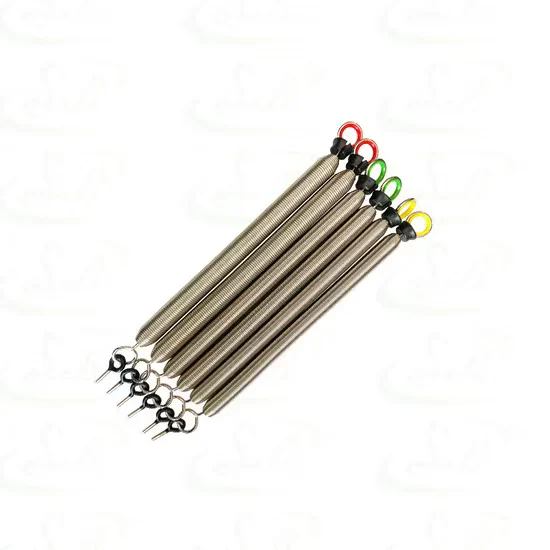
A: Spring systems on reformers typically provide multiple springs with different resistance values. Beginners generally start with fewer springs for lighter carriage resistance, while advanced users add springs for greater load during pressing and pulling exercises. The hook-point configuration allows incremental adjustment. Studio operators should label each spring’s resistance level so instructors can prescribe configurations consistently across sessions.
Q: What maintenance does the oak frame and carriage system require?
A: The oak surface should be wiped with a pH-neutral cleaner after heavy use to prevent sweat residue from degrading the finish. Carriage wheels need periodic inspection for flat spots or debris embedded in the contact surface. Rail surfaces should be checked for scoring or wax buildup that affects travel smoothness. Spring hooks and all threaded fasteners should be torque-checked on a schedule matching the studio’s weekly session volume.
Premium aesthetics meet quiet operation for boutique studio environments.
Medical-grade silence and precision for sports & postpartum recovery.
Furniture-grade craftsmanship for premium residential installations.
Compact premium setups for one-on-one and small-group training.
Aesthetic Pilates integration for hybrid wellness studio programming.
Multi-unit deployment with instructor-grade reliability for certification programs.
Tell us about your project. Our team will respond within 24 hours with pricing, customization options, and shipping details.
// Sales Director
William
+86 132 2531 1800
// Export Manager
Bella
+86 198 5412 8032
william@bickfit.com