01 / Scenario
STUDIO
P
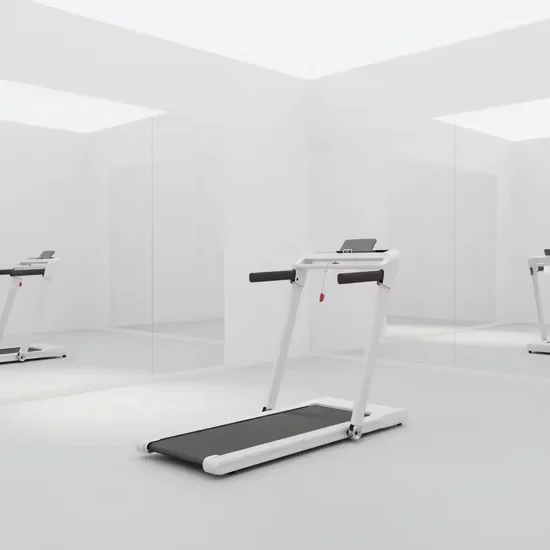
High-End Pilates Studios
Premium aesthetics meet quiet operation for boutique studio environments.

ISO
9001
CE
Certified
OEM
Available
10YR
Warranty
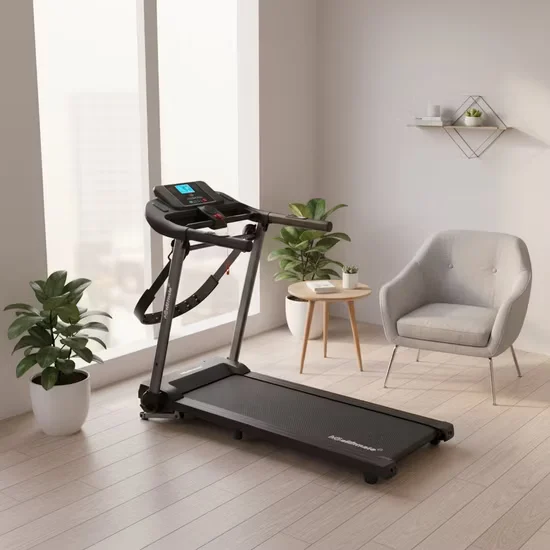
Electric Folding Home Treadmill, 1.5HP Motor, 1-16 km/h Speed Range, 1200×450mm Running Surface — engineered for compact residential cardio with 16 preset programs and LCD feedback on speed, distance, time, and calories. The foldable design reduces stored footprint to 1810×740×220mm, while ABS housing and 42kg net weight balance portability with operational stability at higher speeds. Backed by CE and RoHS certifications, with full OEM/ODM customization available for private label branding and specification adjustments.
// Spec Highlights
• Direct from Manufacturer · No Middlemen · Worldwide Shipping
01
// Material
Imported Solid Wood
Premium hardwood frames sourced for density and visual warmth.
02
// Hardware
Medical-Grade Silent
Whisper-quiet pulleys and springs for clinical environments.
03
// Customization
Appearance OEM
Color, upholstery, and branding tailored to your studio.
04
// Service
Layout Design
Free venue planning for studios and rehab institutions.
Every component is selected for longevity, performance, and aesthetic harmony - from imported hardwood frames to silent medical-grade accessories.
// Features
Compact structural integrity — The 1.5HP motor and 1200×450mm running surface deliver consistent cardio performance in a foldable chassis engineered for residential spaces where floor area is limited and structural vibration must be controlled.
| Parameter | Value |
|---|---|
| Product Type | Folding Electric Treadmill |
| Motor Power | 1.5HP |
| Speed Range | 1-16 km/h |
| Running Surface | 1200×450mm |
| Programs | 16 preset |
| Display | LCD — Speed / Distance / Time / Calories |
| Unfolded Dimensions | 1500×740×1150mm |
| Folded Dimensions | 1810×740×220mm |
| Net Weight | 42.0 kg |
| Housing Material | ABS |
| Foldable | Yes |
| Age Group | Adult |
| Certification | CE, RoHS |
| OEM / ODM | Available |
| Facility Type | Typical Use |
|---|---|
| Residential home gyms | Daily walking and jogging in limited-floor-area apartments |
| Hotel fitness rooms | Compact cardio station for guest use with foldable storage |
| Serviced apartments | Personal cardiopulmonary conditioning without permanent footprint |
| Small-space personal studios | Supplementary cardio alongside strength equipment |
Home treadmills frequently advertise motor output without disclosing duty cycle limits, belt composite construction, or the structural rigidity of the deck-to-frame interface — leading to premature belt stretch, inconsistent speed under load, and frame vibration that accelerates joint wear.
A 1.5HP motor paired with a 1200×450mm running surface must sustain thermal equilibrium during extended sessions, or speed droop appears within the first thirty minutes of continuous use.
Manufacturers who omit duty cycle data leave buyers unable to distinguish between peak-rated and continuous-rated output. The electric folding home treadmill must manage heat dissipation through motor ventilation design and belt friction coefficients — not just horsepower figures. Without sealed bearing support at the roller endpoints, lateral belt drift compounds over time, requiring frequent manual realignment that disrupts training consistency [NEED_CITE: motor duty cycle classification for continuous versus intermittent operation in fitness equipment].
This unit occupies a transitional zone between walking pads and full-size commercial treadmills — the 1200×450mm belt accommodates stride lengths for users up to approximately 180cm height, while the folding hinge mechanism reduces stored depth to 220mm. In apartment-based fitness setups, it serves as the primary cardiovascular station, complementing bodyweight training zones or adjustable dumbbell racks. The 16 preset programs provide structured progression for users who prefer guided speed and incline variation without manual console adjustment. The electric folding home treadmill addresses the core tension between usable running surface and recoverable floor space in residential environments.
The hinge joint connecting the upright console mast to the running deck experiences both static load during use and cyclic fatigue during each fold-unfold transition. At 42.0 kg net weight, the frame must resist torsional flex when a user steps onto the belt at speed — any play in the latch mechanism translates to lateral wobble that degrades stride confidence. The ABS housing shields internal wiring and motor components, but impact resistance at the folding pivot point determines whether cosmetic cracks appear after months of repeated deployment. Roller bearings at the front and rear drum endpoints must maintain radial alignment despite the angular displacement introduced by the folding arc, or belt tracking drifts toward one edge, accelerating uneven wear on both belt and deck surface [NEED_CITE: hinge joint fatigue performance in folding mechanical assemblies].
Motor displacement alone does not determine sustained speed capability — the 1.5HP rating must be evaluated against the controller’s thermal protection threshold and the belt-deck friction coefficient. A 1200×450mm running surface provides adequate width for natural stride placement, but length determines whether taller users can maintain full extension without heel-strike contact at the rear roller guard. The ABS housing material offers impact resistance superior to injected polystyrene alternatives, while internal steel frame gauge — though not disclosed in the specification sheet — directly influences vibration dampening at speeds above 10 km/h. The 16-program console relies on pre-set speed and duration intervals; long-term reliability depends on membrane switch tactile feedback retention and LCD segment integrity under ambient light exposure. Folding latch retention force, rather than mere hinge presence, determines whether the deployed position remains stable during running versus walking use.
Thin-wall steel frames beneath the ABS shell deflect under dynamic loading, creating a trampoline effect that increases joint impact force and accelerates motor bearing wear. Non-sealed roller bearings accumulate dust and fiber particles from the running environment, introducing abrasive grit that scores the bearing race within months of daily use. Low-density foam padding beneath the belt deck compresses permanently after repeated footstrike loading, eliminating shock absorption and transferring impact directly to the user’s lower extremity joints. Inadequate powder coating on exposed steel edges — particularly at the folding hinge and motor mount — allows汗液 moisture penetration that initiates subsurface corrosion before visible rust appears. When proprietary fasteners secure the folding mechanism, replacement hardware becomes unavailable after the manufacturer discontinues the model, converting a repairable unit into disposable equipment [NEED_CITE: bearing seal classification and contaminant exclusion in fitness equipment applications].
The 1.5HP motor and folding chassis receive the same three-stage inspection protocol applied to commercial-grade equipment — every unit undergoes load testing before shipment, not sample-based audit. The 1200×450mm running surface and 1500×740mm deployed footprint receive 2D-3D spatial planning support, ensuring adequate clearance from walls and adjacent equipment for safe mounting and dismounting. OEM and ODM customization extends to console branding, housing color matching, and speed range adjustment for specific market requirements. The 200μm industrial powder coating specification — standard across the product line — protects exposed steel surfaces against moisture and cleaning chemical exposure. Ten-year frame warranty coverage reflects confidence in structural weld integrity and steel gauge consistency, traceable to mill certification at the coil source.
Provide the intended installation dimensions and adjacent equipment layout to receive a 2D-3D spatial plan confirming clearance and traffic flow. Specify average daily usage duration to align motor duty cycle selection with operational demand. Indicate target user height range to verify running surface adequacy for full stride extension. Custom branding, console language, or speed range modifications are available through the OEM specification review process.
Q: How does motor duty cycle affect long-term treadmill reliability?
A: Continuous-duty motors maintain rated output without thermal shutdown during extended sessions, while peak-rated motors overheat and reduce speed under sustained load. The 1.5HP motor in this unit must be evaluated against its thermal protection threshold — units lacking adequate ventilation or thermal cutoff design experience premature controller failure when used beyond thirty-minute continuous intervals.
Q: What folding mechanism features determine long-term hinge durability?
A: Hinge joint design must resist torsional flex during running, not merely support static weight during folding. Latch retention force determines whether the deployed position remains stable under dynamic loading, while pivot bushing material affects whether play develops after repeated fold-unfold cycles. Sealed pivot points exclude dust and prevent abrasive wear at the joint interface.
Q: How does running surface size accommodate different user heights?
A: A 1200mm belt length accommodates stride lengths for users up to approximately 180cm height without heel contact at the rear guard. Taller users require longer surfaces to maintain full extension — insufficient length forces shortened stride patterns that alter natural gait mechanics and increase joint loading. The 450mm width provides adequate lateral margin for natural stride placement without excessive deck overhang.
Q: What maintenance intervals preserve belt and motor performance?
A: Belt lubrication reduces friction between the belt underside and deck surface, extending both component life and motor load. Monthly inspection of belt tension and tracking alignment prevents edge wear and motor strain. Motor ventilation ports require periodic dust removal to maintain thermal dissipation — accumulated fiber particles insulate the motor housing and accelerate winding temperature rise during operation.
Premium aesthetics meet quiet operation for boutique studio environments.
Medical-grade silence and precision for sports & postpartum recovery.
Furniture-grade craftsmanship for premium residential installations.
Compact premium setups for one-on-one and small-group training.
Aesthetic Pilates integration for hybrid wellness studio programming.
Multi-unit deployment with instructor-grade reliability for certification programs.
Tell us about your project. Our team will respond within 24 hours with pricing, customization options, and shipping details.
// Sales Director
William
+86 132 2531 1800
// Export Manager
Bella
+86 198 5412 8032
william@bickfit.com