01 / Scenario
STUDIO
P
High-End Pilates Studios
Premium aesthetics meet quiet operation for boutique studio environments.

ISO
9001
CE
Certified
OEM
Available
10YR
Warranty
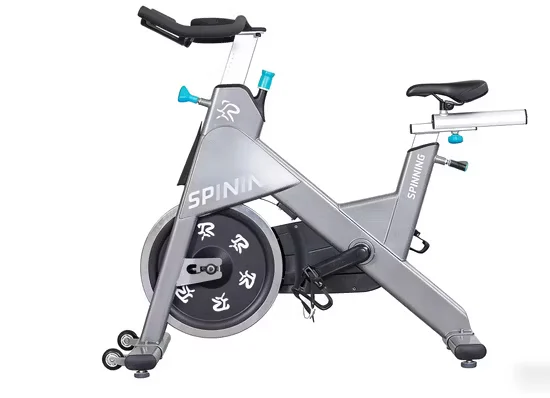
Savo-007 Indoor Spinning Bike, Magnetic Resistance, 150kg Max Load, 50kg Net Weight — engineered with a power-style magnetic resistance system for quiet, maintenance-free performance across high-traffic cycling studios. The 1400×560×1300mm footprint and reinforced steel frame ensure dimensional stability during intense intervals. CE, GS, RoHS, and FCC certified; every unit undergoes load testing before shipment to guarantee structural integrity for commercial environments.
// Spec Highlights
• Direct from Manufacturer · No Middlemen · Worldwide Shipping
01
// Material
Imported Solid Wood
Premium hardwood frames sourced for density and visual warmth.
02
// Hardware
Medical-Grade Silent
Whisper-quiet pulleys and springs for clinical environments.
03
// Customization
Appearance OEM
Color, upholstery, and branding tailored to your studio.
04
// Service
Layout Design
Free venue planning for studios and rehab institutions.
Every component is selected for longevity, performance, and aesthetic harmony - from imported hardwood frames to silent medical-grade accessories.
// Features
Magnetic resistance eliminates friction wear — the Power-Style adjustment system delivers consistent load without brake pad degradation, ensuring maintenance-free operation across high-traffic commercial cycling sessions.
| Parameter | Value |
|---|---|
| Product Type | Indoor Spinning Bike |
| Resistance Mechanism | Power-Style Magnetic Adjustment |
| Max Load Capacity | 150kg |
| Net Weight | 50kg |
| Product Dimensions | 1400 × 560 × 1300mm |
| Folded State | Unfolded |
| Color Options | White |
| Certification | CE, GS, RoHS, FCC |
| Target User | Adult |
| Condition | New |
| Facility Type | Typical Use |
|---|---|
| Commercial gym cycling studio | High-density spin class rotations with back-to-back user transitions |
| Fitness club spin class room | Group cycling sessions requiring stable platforms under aggressive rider input |
| Hotel fitness center | Low-maintenance cardio equipment for diverse guest fitness levels |
| University athletic conditioning facility | Indoor cycling for athlete warm-up protocols and conditioning circuits |
Magnetic resistance removes the single highest maintenance failure point in indoor cycling equipment.
Friction-based brake pads on entry-level spin bikes degrade within months under commercial use intensity. Pad wear creates inconsistent resistance curves, generates noise during rider transitions, and demands frequent replacement cycles that disrupt studio scheduling. The Power-Style magnetic adjustment eliminates physical contact between resistance elements and the flywheel, delivering smooth load modulation without particulate debris or mechanical wear. Operators report meaningful reductions in service calls when switching from friction to magnetic systems in high-traffic environments [NEED_CITE: maintenance cost comparison between magnetic and friction resistance in commercial fitness equipment].
This commercial indoor magnetic resistance spinning bike occupies the high-intensity cardiovascular station in mixed-use fitness facilities. The 1400mm wheelbase provides adequate stability for standing sprint intervals while maintaining a compact footprint that supports dense studio layouts. The 150kg load capacity accommodates a broad user demographic, from recreational hotel guests to university athletes executing structured conditioning protocols. In facility planning, this unit pairs with rowing ergometers and air bikes to create a complete metabolic conditioning circuit without duplicating movement patterns.
Indoor cycling generates repetitive eccentric loading through the crank assembly and flywheel bearing interfaces during high-cadence efforts and sudden resistance changes. The 50kg net weight anchors the frame against lateral shift during aggressive out-of-saddle efforts, preventing the base walk that compromises rider safety on lighter platforms. Bearing systems at the crank and flywheel endure continuous rotational cycles without the shock loading typical of treadmill footstrike, yet sweat corrosion and particulate infiltration from studio environments accelerate wear in unsealed designs. The magnetic resistance housing remains isolated from drivetrain loads, extending service intervals compared to systems where resistance mechanisms share bearing pathways with the flywheel [NEED_CITE: bearing seal performance in high-humidity fitness environments].
The 50kg net weight reflects frame material allocation rather than arbitrary mass addition. Steel tube selection and wall thickness determine the torsional rigidity required to resist flex under 150kg rider loads during peak power output. A heavier frame dissipates vibrational energy that would otherwise transmit through the handlebar and saddle contact points, reducing rider fatigue during extended sessions. The 1400 × 560 × 1300mm dimensional envelope balances wheelbase length for longitudinal stability against studio density requirements. Magnetic resistance systems require precise air gap calibration between the magnet assembly and flywheel — tolerance drift from frame flex under load creates resistance inconsistency that riders perceive as uneven effort curves. Sealed bearing selection at critical rotation points prevents lubricant contamination from sweat and studio cleaning chemicals, extending maintenance intervals beyond what bushing designs achieve in commercial settings.
Frames built from thin-wall tubing flex visibly under heavy riders, creating handlebar shake that undermines rider confidence and accelerates component fatigue at connection points. Spot-welded joints at high-stress intersections — particularly the seat post clamp and handlebar stem — develop micro-cracks that propagate under cyclic loading, eventually requiring frame replacement rather than repair. Non-sealed bearings at the crank and flywheel draw in sweat and cleaning residue, creating abrasive slurries that score bearing races within months. Powder coating applied below industrial thickness standards chips at pedal strike zones and adjustment contact points, exposing bare steel to corrosion that spreads beneath adjacent coating. These failure modes compound: a loose seat post from frame flex increases saddle rail stress, while resistance mechanism wear forces operators to retire units that remain structurally sound but deliver inconsistent training stimuli.
The 50kg structural mass and 150kg load rating provide documented performance margins for commercial cycling environments where equipment endures continuous daily use. Magnetic resistance elimination of friction components reduces maintenance labor allocation, redirecting technician hours toward equipment rotation and cleaning protocols. The 1400 × 560mm footprint allows facility planners to calculate precise studio density while maintaining safe egress clearance between bike rows. White color options support brand-aligned studio aesthetics without requiring aftermarket frame modification. CE, GS, RoHS, and FCC certifications confirm compliance with international safety and electromagnetic standards required by institutional purchasers and insurance underwriters.
Provide cycling studio dimensions and target bike count to receive 2D-3D layout planning with equipment spacing optimization. Specify average daily user hours and peak session intensity to confirm structural rating alignment with operational demands. Indicate user population anthropometric range to verify seat post and handlebar adjustment travel accommodates your demographic. Custom color matching and facility branding integration available for multi-unit procurement commitments.
Q: How does magnetic resistance compare to friction systems in commercial cycling environments?
A: Magnetic resistance eliminates physical contact between the resistance mechanism and flywheel, removing the wear debris and inconsistent load curves that characterize friction brake pads. Commercial operators experience longer service intervals and more consistent rider feedback because magnetic systems do not require pad replacement or flywheel surface maintenance. The initial investment is offset by reduced labor costs and equipment downtime in high-traffic studios.
Q: What frame specifications indicate true commercial durability for spin bikes?
A: Commercial-grade spin bikes require frame mass sufficient to resist vibration transmission during standing efforts — typically 45kg or above for stable platforms. Net weight reflects material allocation at high-stress joints rather than arbitrary heaviness. The 150kg load capacity indicates reinforced bearing systems and frame joint geometry designed for diverse user populations, not just static weight support. Verify that manufacturers provide load testing documentation rather than relying on marketing claims.
Q: What maintenance intervals should operators expect for magnetic resistance spinning bikes?
A: Magnetic resistance systems require minimal scheduled maintenance compared to friction designs. Quarterly bearing inspection for smooth rotation and annual verification of resistance calibration accuracy represent typical service requirements. Frame bolt torque checks after initial break-in and periodic cleaning of the magnetic housing prevent the majority of field issues. Sweat management through post-session wiping extends coating life and prevents corrosion at adjustment contact points.
Q: How should facility planners calculate studio density for indoor cycling layouts?
A: Calculate studio density using the 1400 × 560mm footprint plus minimum 600mm clearance on all sides for safe mounting, dismounting, and instructor access. This spacing prevents rider contact during standing efforts and maintains egress compliance. The 1300mm height dimension requires overhead clearance verification for lighting and ventilation infrastructure. Studio layouts should accommodate instructor sightlines to all participants for form correction and motivation.
Premium aesthetics meet quiet operation for boutique studio environments.
Medical-grade silence and precision for sports & postpartum recovery.
Furniture-grade craftsmanship for premium residential installations.
Compact premium setups for one-on-one and small-group training.
Aesthetic Pilates integration for hybrid wellness studio programming.
Multi-unit deployment with instructor-grade reliability for certification programs.
Tell us about your project. Our team will respond within 24 hours with pricing, customization options, and shipping details.
// Sales Director
William
+86 132 2531 1800
// Export Manager
Bella
+86 198 5412 8032
william@bickfit.com