R-500 Rower for 5-Star Hotels: OEM Wholesale Supplier
Most buyers think "commercial grade" means heavy steel; truly it means serviceability and parts availability in remote locations.
Procuring rowers for luxury hotels is not just about specs; it is about ensuring silent operation, climate resilience, and seamless integration into guest wellness suites without operational headaches. The core requirement for a hotel procurement manager is to verify motor sealing, voltage compatibility, and noise dampening before signing the purchase order, rather than focusing solely on stroke feel or competitive performance metrics.
I still remember the humidity in Lagos. It was not just hot; it was heavy, clinging to everything like a wet blanket. We had shipped a batch of cardio equipment to a high-end hotel project, assuming standard industrial protection would suffice. The motors were robust, the frames solid. But when the rainy season hit, the control boards on three units shorted out within weeks. The hotel manager did not care about the tensile strength of our steel. He cared that his guests were hearing buzzing noises instead of enjoying their morning workout. I spent days in a forty-degree machine room, sweat dripping onto circuit boards, realizing that "commercial" in a temperate warehouse means something very different from "commercial" in a tropical coastal resort. This experience reshaped how I approach every R-500 rowing machine for hotels order. It is not about the machine working today; it is about it working silently and reliably three years from now, thousands of miles from the factory.
The transition from gym-focused durability to hospitality-focused elegance requires a shift in mindset. Buyers often prioritize the intensity of the workout, but for a five-star property, the absence of disturbance is the primary feature.
Why Standard Gym Rowers Fail in Hotel Environments?
Guest experience prioritizes silence and aesthetics over raw performance data.
In a commercial gym, users expect noise. They expect the clank of weights and the hum of treadmills. In a luxury hotel, especially those with wellness suites located near guest rooms or spa areas, noise is a liability. A standard gym rower might produce acceptable decibel levels in an open-plan fitness center, but in a boutique hotel setting, even minor vibrations can travel through floor structures and disturb guests below.
The failure point is rarely the mechanical integrity of the rower itself. It is the lack of isolation and acoustic damping designed for residential-grade building codes. Many manufacturers build machines to withstand high usage volumes but neglect the transmission of low-frequency vibration. For a procurement manager, this means looking beyond the spec sheet. You need to understand how the machine interacts with the building.
When evaluating a R-500 rowing machine for hotels, the focus must shift to noise testing protocols specific to hospitality environments. [NEED_CITE: acoustic testing standards for hospitality equipment] Standard industrial noise tests often measure sound at the source, but hotel managers need to know the perceived noise in adjacent rooms. This requires equipment with integrated dampening systems that reduce vibration transfer to the floor. Without this, even a well-built machine can become a source of guest complaints, leading to costly retrofits or removals.
Furthermore, aesthetics play a crucial role. A machine that looks like it belongs in a gritty cross-fit box will clash with the serene, minimalist design of a luxury spa. The finish, the color matching, and the overall footprint must align with the interior design theme. This is where generic commercial equipment fails. It is built for function, not for form. Hotel buyers need equipment that disappears into the decor while remaining robust enough for daily use.
Critical Technical Checks for the R-500
Verify motor sealing, voltage compatibility, and noise dampening before signing PO.
Technical due diligence for hotel equipment goes beyond checking if the machine turns on. It involves verifying that the hardware can survive the specific environmental conditions of its destination. This is particularly critical for properties in Southeast Asia, the Middle East, or coastal Europe, where humidity and salt air are constant threats.
| Feature | Standard Commercial Spec | Hospitality-Grade Requirement (R-500) | Risk if Ignored |
|---|---|---|---|
| Motor Sealing | Basic dust protection | IP-rated tropicalized sealing | Circuit board corrosion in humid climates |
| Voltage Stability | Fixed input range | Wide-range input with surge protection | Failure in regions with fluctuating power grids |
| Noise Output | Measured at source | Decibel level <45dB with floor isolation | Guest complaints in multi-story installations |
| Finish Quality | Industrial powder coat | OEM color-matched, scratch-resistant | Aesthetic mismatch with luxury interior design |
[NEED_CITE: IP rating standards for electrical enclosures in humid environments]
The table above highlights the gap between what is often sold as "commercial" and what is actually required for a high-end hotel environment. For instance, standard motors may have basic dust protection, but they lack the sealed enclosures needed to resist moisture ingress. In a tropical hotel, this leads to premature failure of electronic components. The R-500 rowing machine for hotels addresses this by incorporating pre-installed tropical protection and silent-drive technology. This is not just a marketing claim; it is a technical necessity derived from field failures.
Voltage stability is another hidden trap. Many regions have power grids that fluctuate significantly. A machine designed for stable European voltage may suffer from component stress in areas with frequent spikes or drops. Ensuring that the rower has wide-range input capability and surge protection is essential for long-term reliability. This prevents the kind of mid-season breakdowns that disrupt guest services and damage the hotel’s reputation.
Noise output is perhaps the most critical metric. While gyms tolerate higher decibel levels, hotels require near-silent operation. The target should be below 45dB, measured in a typical installation scenario. This requires not just a quiet motor, but also effective floor isolation. Without proper dampening, the rhythmic motion of rowing can create structural vibrations that travel through the building frame. This is why the R-500 rowing machine for hotels includes specialized isolation pads and a balanced drive system designed to minimize vibration transfer.
Logistics & Installation: The Hidden Costs
Plan for door dimensions, elevator capacity, and local technical support availability.
The cost of the equipment is only part of the total investment. Logistics and installation often carry hidden expenses that can blow out a budget if not planned correctly. For hotel projects, especially those in urban centers or remote resort locations, getting the equipment into the building can be a complex challenge.
Door dimensions and elevator capacity are frequently overlooked. A rower may fit perfectly in the gym layout on paper, but if it cannot pass through the service elevator or the main entrance, it becomes a logistical nightmare. Disassembly and reassembly on-site add labor costs and risk damage to the equipment. It is crucial to verify the assembled and disassembled dimensions against the building’s access points before placing the order.
Local technical support is another critical factor. If a machine breaks down, how quickly can it be fixed? In remote locations, waiting for a technician to fly in from another country is not a viable option. Procurement managers must ensure that the supplier provides comprehensive spare parts kits and clear troubleshooting guides. Ideally, the equipment should be designed for easy maintenance by local staff. The R-500 rowing machine for hotels is built with serviceability in mind, allowing common repairs to be performed with basic tools. This reduces downtime and ensures that the gym remains operational for guests.
Container load optimization is also a key consideration. Shipping individual units is inefficient and expensive. Consolidating cardio and strength equipment into full container loads reduces freight costs per unit. However, this requires careful planning to maximize space utilization without compromising the safety of the goods. Working with a manufacturer who understands turnkey logistics can simplify this process, ensuring that all equipment arrives together and ready for installation.
Customization & Brand Integration
Use OEM options to align equipment finish with interior design themes.
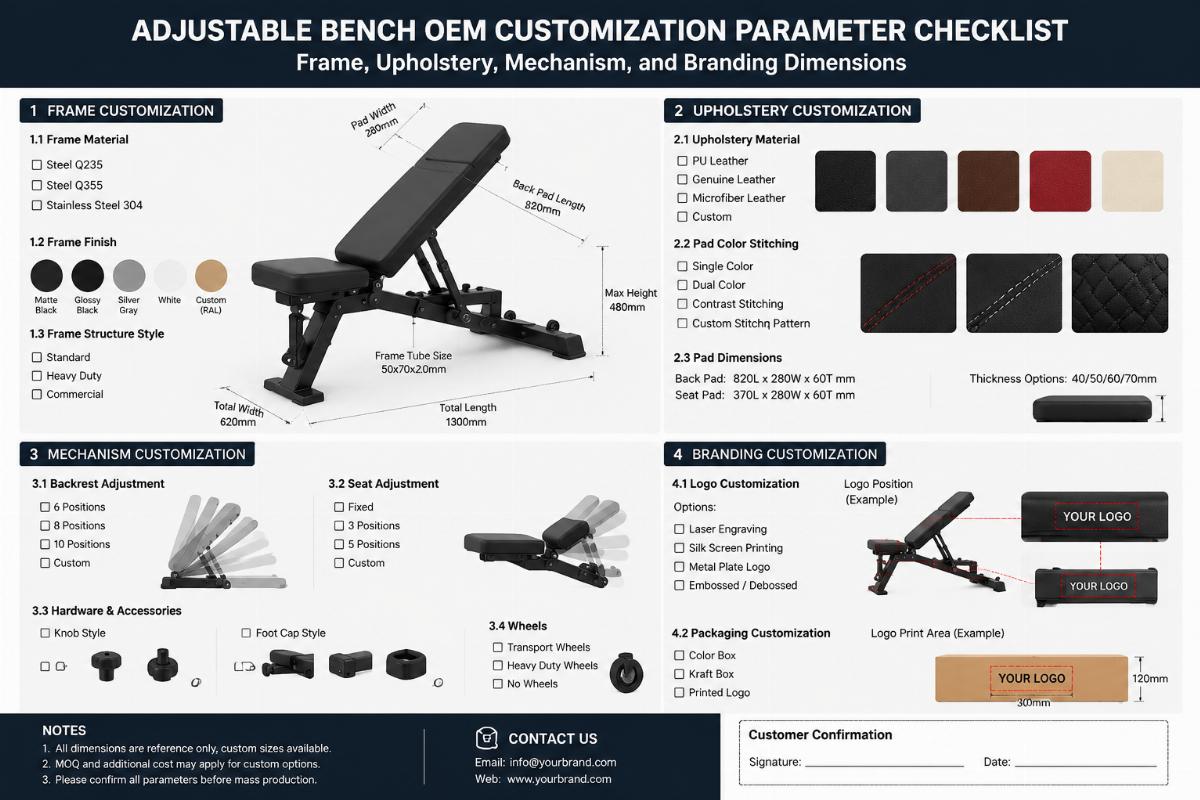
Luxury hotels are brands. Every element of the guest experience, including the fitness center, must reflect the brand’s identity. Generic black or gray equipment may be functional, but it does not contribute to the brand narrative. Customization allows hotels to integrate equipment seamlessly into their design language.
OEM color matching is a powerful tool for this. By matching the frame and console colors to the hotel’s interior palette, the equipment becomes part of the decor rather than an intrusion. Logo placement is another aspect of brand consistency. For hotel chains with multiple properties, ensuring that all units have consistent branding across fifty or more locations reinforces the brand image.
The R-500 rowing machine for hotels offers full OEM branding capabilities. This includes custom color finishes, logo embossing, and even bespoke console interfaces. This level of customization ensures that the equipment not only performs well but also enhances the visual appeal of the wellness suite. It transforms the gym from a utility space into a branded experience zone.
For procurement managers, this means working closely with the manufacturer during the design phase. Providing detailed color codes and brand guidelines early in the process ensures that the final product meets expectations. It also helps avoid costly changes later in the production cycle. The ability to offer such flexibility is a hallmark of a true partner, not just a vendor.
Conclusion
Silence, resilience, and brand alignment define successful hotel fitness procurement.
Procuring cardio equipment for luxury hotels requires a shift from performance-centric thinking to experience-centric planning. The R-500 rowing machine for hotels exemplifies this approach by prioritizing silent operation, climate resilience, and aesthetic integration. By focusing on these core elements, procurement managers can avoid common pitfalls and deliver a wellness experience that meets the high expectations of discerning guests.