Complete Gym Equipment Package Manufacturer | Turnkey Setup Supplier
A PT clinic gym is not a scaled-down commercial gym—it is a functionally zoned rehabilitation space where equipment selection must revolve around recovery workflows, low-impact load management, and clinical traffic flow.
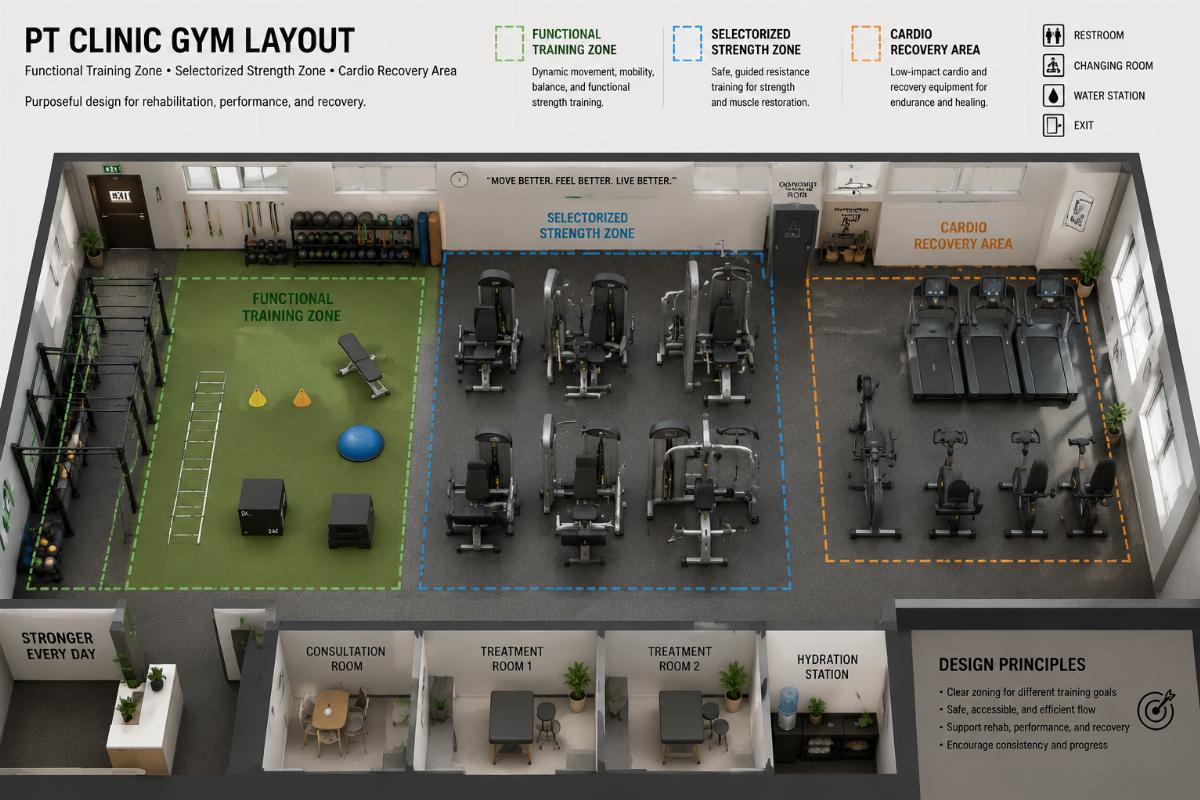
A complete gym equipment package for a physical therapy clinic must integrate selectorized strength machines with micro-adjustable resistance, functional training rigs with low-profile cable systems, and recovery-zone modalities, all configured around a three-zone layout (functional training, strength, cardio) calibrated to patient progression stages rather than bodybuilding splits.
I still remember the phone call at two in the morning from a freight forwarder at Jebel Ali. A hotel rehabilitation corner project in the Middle East—Smith machine paired with a dual adjustable pulley—had been held at customs for over a week. The client had placed the order from catalog photos without verifying pin spacing on the weight stacks. The selectorized plates arrived with hole offsets that did not align with the shrouded carriage rails. A mid-six-figure loss loomed: airfreighting replacement parts versus letting the container sit in a bonded warehouse accruing demurrage. That shipment eventually cleared, but the delay stretched into weeks, not days. Since then, I have made it a non-negotiable habit to confirm ceiling height, floor load capacity, and power specifications before a single proforma invoice goes out—better to exchange three extra rounds of emails than to dismantle a container at the destination port.
Let us walk through what actually goes into specifying a complete gym equipment package for physical therapy clinics, how to plan the space correctly, what spec mismatches cause customs nightmares, and how to balance the budget between commercial-grade durability and rehab-specific functionality.
What Equipment Does a PT Clinic Gym Actually Need?
Most people assume PT clinics only require light-resistance equipment; the reality is that late-stage rehabilitation patients need progressive overload, and commercial-grade adjustable resistance systems outperform medical-grade alternatives in durability and patient throughput.
The misconception stems from conflating early-stage mobilization tools—therabands, balance boards, light dumbbells—with the full spectrum of a functional rehabilitation gym. Patients progressing beyond acute recovery need controlled, measurable resistance to rebuild load-bearing capacity. A complete gym equipment package for physical therapy clinics must therefore be organized around three functional zones mapped to recovery stages.
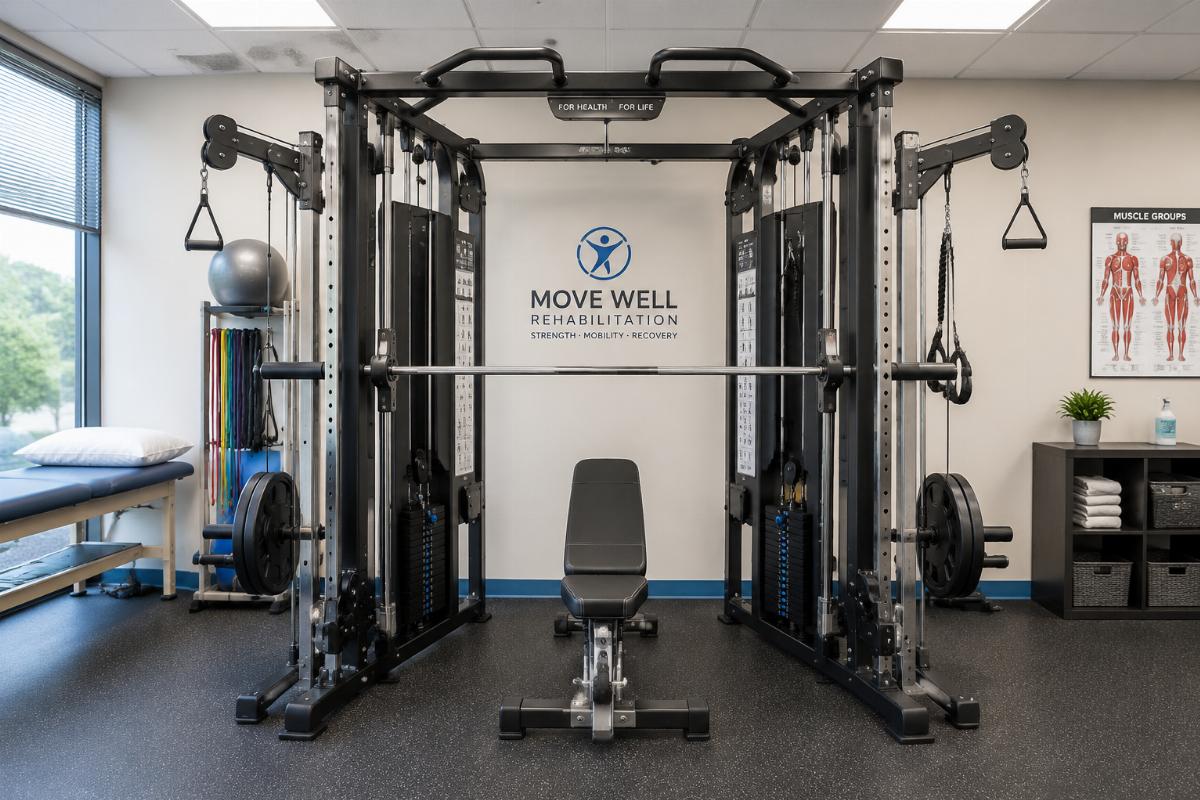
The functional training zone serves early-to-mid stage patients. This area requires low-profile cable crossover units with incremental weight adjustments, wall-mounted pull-up systems with assisted bands, plyometric platforms at reduced heights, and open floor space for gait training. The equipment here prioritizes range-of-motion recovery and neuromuscular re-education over raw strength output.
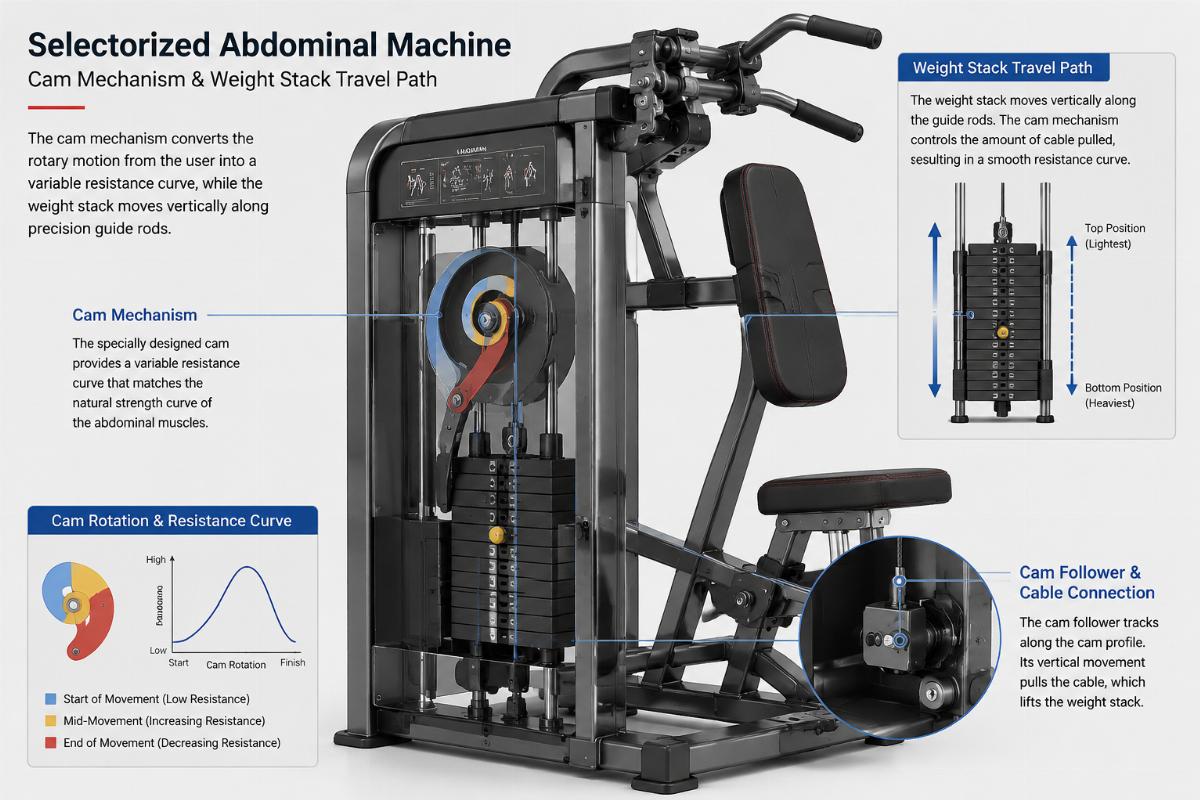
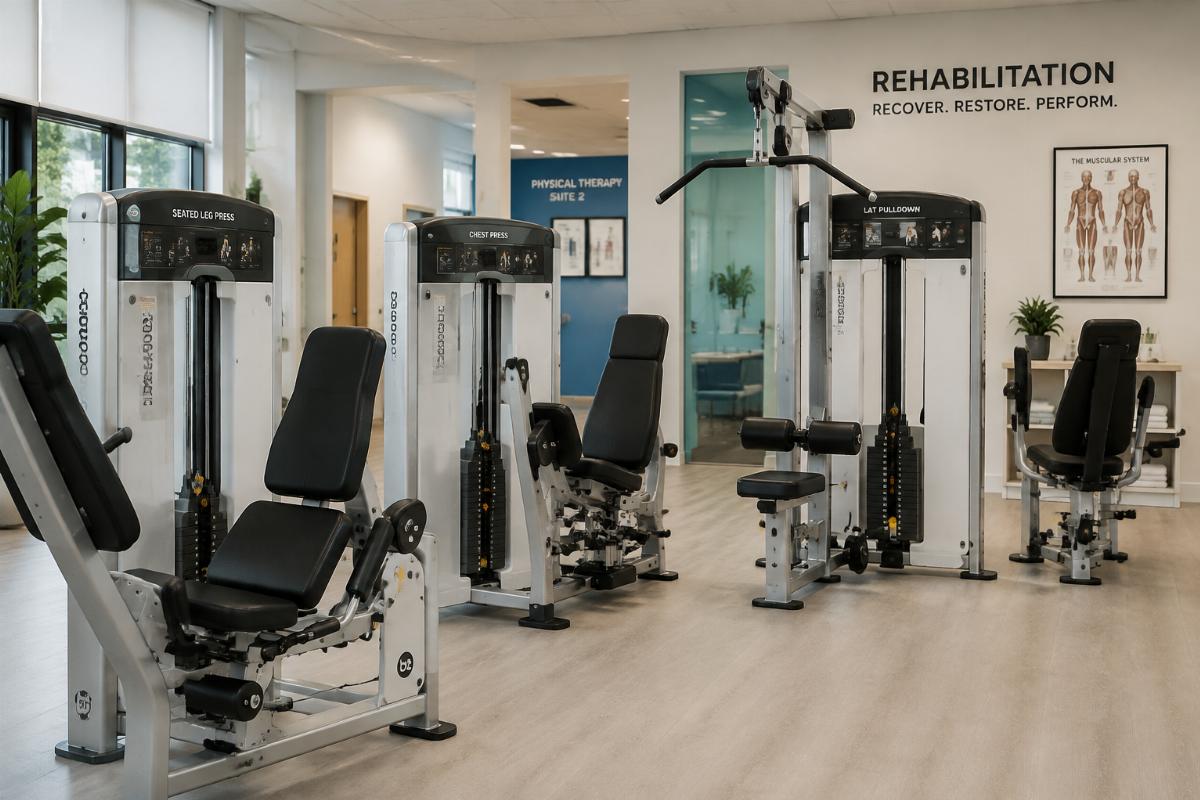
The selectorized strength zone addresses mid-to-late stage rehabilitation. Smith machines with linear bearing guided barbells allow patients to perform squats and presses with built-in safety catches—critical for post-surgical knee and shoulder patients who cannot yet manage free barbells. Plate-loaded machines targeting specific muscle groups (leg extension, leg curl, chest press, lat pulldown) provide isolated strengthening without the balance demands of free weights. For a complete gym equipment package for physical therapy clinics, these machines must feature micro-load pin adjustments—increments as fine as possible—so therapists can progress patients in clinically meaningful steps rather than crude jumps [NEED_CITE: progressive resistance protocols in outpatient rehabilitation guidelines].
The cardio and recovery zone supports cardiovascular conditioning and post-session recovery. Commercial treadmills with medical-grade handrails and low step-up heights, upper-body ergometers for shoulder rehabilitation patients, and recumbent bikes for lumbar-safe conditioning form the core. Foam rolling stations and stretching anchors complete this zone.
A Southeast Asian PT clinic chain we worked with initially requested a standard commercial gym layout. After reviewing their patient flow data, we restructured the floor plan to allocate the majority of square footage to functional training, a moderate share to selectorized strength, and a smaller portion to cardio—reversing the typical commercial gym ratio. Patient throughput improved noticeably because the equipment sequence matched clinical progression rather than aesthetic gym design.
How to Plan Space and Load-Bearing for a Turnkey PT Setup?
Ceiling height, floor load capacity, and equipment clearance are the three parameters that determine whether a turnkey PT clinic installation functions safely—or requires expensive structural retrofits after the equipment arrives.
The most commonly overlooked parameter is ceiling height relative to functional training rig dimensions. A standard dual-height functional trainer requires substantial overhead clearance for cable travel and pull-up bar access. If the facility is located on an upper floor with exposed HVAC ducting or sprinkler lines, the effective clearance drops significantly. Measuring from finished floor to the lowest overhead obstruction—not to the structural ceiling—is the only reliable method. Facilities that skip this step risk receiving rigs that cannot be installed without relocating ductwork, a change that involves local contractors and permit processes that stretch timelines considerably [NEED_CITE: facility clearance requirements for overhead fitness equipment installation].
Floor load capacity deserves equal attention. Selectorized strength machines concentrate substantial static loads through relatively small footprints. A fully loaded Smith machine with plate storage can exert point loads that exceed the design capacity of raised floor systems common in commercial buildings. The solution involves distributing load through high-density rubber flooring with load-spreading properties beneath heavy equipment zones, while using thinner, shock-absorbing flooring in functional training areas where patients perform dynamic movements. Separating these flooring zones also creates a visual and tactile boundary that guides patient traffic flow naturally.
An African rehabilitation center project illustrated the consequences of skipping electrical specification checks. The facility’s power supply operated at a voltage and frequency combination that did not match the motor specifications on the treadmills and upper-body ergometers in the order. The motors could not be calibrated during commissioning. The root cause was a missing verification step: confirming local power specifications against equipment motor ratings before finalizing the purchase order. For any complete gym equipment package for physical therapy clinics destined for markets with non-standard electrical infrastructure, this verification must occur during the quotation stage, not upon arrival.
Equipment spacing follows clinical logic rather than gym aesthetics. In a commercial fitness center, machines are packed for density. In a PT clinic, each station requires surrounding clearance for therapist access, wheelchair maneuvering, and assistive device storage. The spacing between selectorized machines must accommodate a therapist standing beside the patient plus room for a wheelchair to park parallel to the equipment. This requirement expands the footprint per machine well beyond typical commercial gym planning assumptions.

What Spec Mismatches Cause Customs Delays and How to Prevent Them?
The majority of customs holds on fitness equipment shipments trace back to three preventable spec mismatches: pin spacing on selectorized stacks, voltage-frequency incompatibility on motorized equipment, and packaging dimension errors that trigger container re-stuffing.
Pin spacing on selectorized weight stacks appears trivial on a specification sheet but becomes catastrophic when the manufactured hole pattern does not align with the carriage mechanism. This mismatch typically occurs when buyers select equipment from visual catalogs without requesting dimensional drawings of the weight stack interface. The fix is straightforward but often skipped: request and verify detailed technical drawings showing pin diameter, hole spacing, and carriage rail compatibility before production begins. For a complete gym equipment package for physical therapy clinics, where micro-adjustable resistance is clinically essential, this verification step is non-negotiable.
Voltage and frequency mismatches represent the second major category. Markets across different regions operate on varying combinations of voltage and frequency. Motorized cardio equipment—treadmills, ellipticals, recumbent bikes—contains motors and electronic controllers calibrated to specific electrical inputs. Ordering equipment without confirming local power specifications results in units that either fail to operate or operate unsafely. The preventive measure is a pre-production confirmation loop: the buyer provides local electrical specifications, the manufacturer confirms motor compatibility in writing, and this confirmation is documented in the purchase order as a binding specification.
Packaging and container loading errors form the third category. Fitness equipment pieces vary enormously in dimensions and weight distribution. A Smith machine, a set of adjustable dumbbells, and a functional trainer rig cannot be loaded into a container using generic stacking logic. Improper loading leads to damaged goods, overweight containers that trigger port inspections, or underutilized containers that waste freight costs. Professional container loading plans—developed from exact equipment dimensions and weights—prevent these issues. For buyers assembling a complete gym equipment package for physical therapy clinics from multiple equipment categories, consolidated container planning from a single source eliminates the coordination gaps that arise when sourcing pieces from multiple suppliers.
The Middle East hotel project mentioned earlier also revealed a secondary lesson: when spec mismatches are discovered at the destination port, remediation options are limited and expensive. Airfreighting replacement components costs substantially more per kilogram than the original sea freight for the entire container. The delay stretches from days into weeks as replacement parts move through production queues and international shipping channels. The lesson is clear: every hour spent on pre-shipment verification saves multiples of that time in post-arrival problem-solving.

How to Balance Budget Between Commercial-Grade and Rehab-Specific Gear?
The optimal budget strategy for a PT clinic gym is not to buy the cheapest equipment available, nor to specify hospital-grade medical devices throughout—it is to deploy commercial-grade strength and functional equipment with clinical-appropriate accessories, leveraging factory-direct pricing to allocate savings toward rehabilitation-specific details.
Hospital-grade rehabilitation equipment carries premiums that reflect regulatory compliance costs, low production volumes, and specialized distribution channels. For many PT clinic applications, commercial-grade equipment from established manufacturers delivers equivalent structural durability and resistance precision at a fraction of the cost. The key distinction lies in selecting commercial equipment with features that serve clinical needs: selectorized machines with fine weight increments, Smith machines with safety catch systems, and functional trainers with low starting resistance.
The budget allocation logic follows a tiered approach. The structural frame equipment—power racks, Smith machines, cable crossovers, plate-loaded machines—should be specified at commercial grade. These pieces endure continuous use, and their weld quality, steel gauge, and bearing systems determine service life. Cutting costs here leads to premature wear, patient safety concerns, and replacement expenses that far exceed initial savings.
The accessory and modality layer—resistance bands, rehabilitation-specific attachments, balance training tools, recovery equipment—can be sourced at lower cost points without compromising clinical outcomes. These items experience lower structural loads and are replaced regularly regardless of initial quality tier.
Container consolidation from a single manufacturer delivers meaningful cost advantages for buyers assembling a complete gym equipment package for physical therapy clinics. When all equipment—cardio, strength, functional training, free weights, flooring—ships in consolidated containers from one source, freight costs drop noticeably compared to coordinating multiple less-than-container-load shipments from different suppliers. The coordination simplicity also reduces the administrative burden on clinic operators who are managing construction timelines alongside equipment procurement.
OEM branding flexibility offers another budget optimization avenue. Distributors and clinic chains operating across multiple locations can standardize equipment specifications while applying facility-specific branding, avoiding the premium charged by brands that restrict customization. Manufacturers offering flexible minimum order quantities enable smaller clinics to access commercial-grade equipment without committing to volume purchases designed for large gym chains.
The fundamental principle: invest in structural durability and resistance precision, economize on consumable accessories, and capture logistics savings through consolidated sourcing. This approach delivers a clinically functional, financially sustainable gym environment without the medical-device premium that many PT clinics mistakenly believe is necessary.
Conclusion
A complete gym equipment package for physical therapy clinics succeeds or fails on the details verified before production—not the equipment selected after delivery. Functionally zoned layouts matching patient progression stages, ceiling and floor specifications confirmed against local conditions, electrical compatibility locked in at the quotation stage, and budget allocated toward structural durability rather than medical-grade premiums—these are the disciplines that separate a clinic gym that operates smoothly from one that generates costly delays and clinical compromises.