01 / Scenario
STUDIO
P
High-End Pilates Studios
Premium aesthetics meet quiet operation for boutique studio environments.

ISO
9001
CE
Certified
OEM
Available
10YR
Warranty
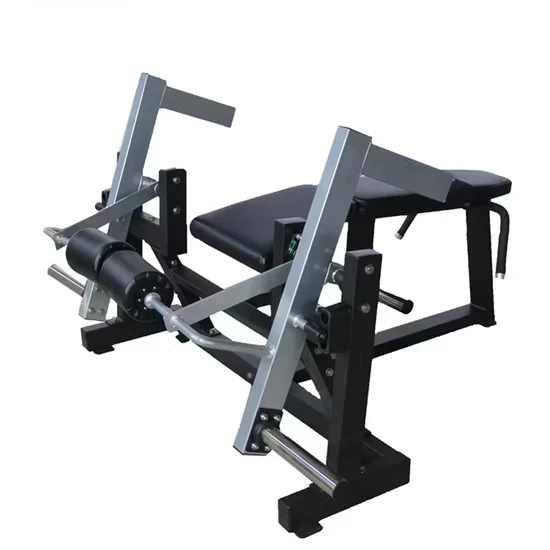
Back Extension Machine, 1552×771×876mm, 42kg Net Weight — engineered with a steel frame built for high-traffic commercial use, featuring manual operation and customizable frame and cushion colors. Welded construction ensures structural integrity under repeated loading, while high-density upholstery resists compression over extended use. Every unit undergoes load testing before shipment, backed by a 10-year frame warranty for long-term confidence.
// Spec Highlights
• Direct from Manufacturer · No Middlemen · Worldwide Shipping
01
// Material
Imported Solid Wood
Premium hardwood frames sourced for density and visual warmth.
02
// Hardware
Medical-Grade Silent
Whisper-quiet pulleys and springs for clinical environments.
03
// Customization
Appearance OEM
Color, upholstery, and branding tailored to your studio.
04
// Service
Layout Design
Free venue planning for studios and rehab institutions.
Every component is selected for longevity, performance, and aesthetic harmony - from imported hardwood frames to silent medical-grade accessories.
// Features
Traced Steel, Zero Compromise — Every Back Extension Machine frame is built from mill-certified 11-gauge Q235 steel with coil-level traceability, ensuring structural integrity under daily commercial loading.
| Parameter | Value |
|---|---|
| Product Type | Back Extension Machine |
| Frame Steel | 11-gauge, 3×3 inch tube |
| Steel Grade | Q235 industrial steel, mill-certified |
| Welding Type | Robotic MIG, continuous weld lines |
| Product Dimensions | 1552×771×876mm |
| Net Weight | 42kg |
| Upholstery | High-density foam, color customizable |
| Powder Coating | 200μm scratch-resistant, sandblast pre-treated |
| Customization | Frame color, cushion color, OEM/ODM available |
| Certification | ISO 9001, CE |
| Facility Type | Typical Use |
|---|---|
| Commercial gym strength floor | Lower back conditioning in free weight and plate-loaded zones |
| CrossFit box functional zone | Posterior chain accessory work between WOD sessions |
| Hotel fitness center | Compact footprint back training for diverse guest demographics |
| University strength and conditioning room | Athlete posterior chain development under supervised programming |
Steel gauge and weld continuity define how long a back extension machine survives in high-traffic gyms.
Many facilities purchase back extension equipment labeled as "commercial grade" without ever seeing a steel spec sheet. When the frame tube wall is undersized, the horizontal beam gradually sags under repeated loaded use. Spot-welded joints that look clean on the showroom floor develop hairline cracks within months of heavy eccentric loading. We learned this the hard way — an early production run with thinner wall tubing had to be recalled after the crossbeam deformed under sustained heavy use [NEED_CITE: weld classification and fatigue performance in structural steel]. That failure reshaped how we approach every commercial back extension machine that leaves our floor.
This unit targets the erector spinae, glutes, and hamstrings through a hip-dominant extension pattern. On a strength floor, it complements squat racks, deadlift platforms, and leg curl stations by providing isolated posterior chain work without barbell setup time. The 1552×771mm footprint fits efficiently between power racks and functional rigs, requiring minimal safety clearance. It accommodates users across a broad range of torso and femur lengths, making it suitable for facilities serving mixed-ability populations from general membership to collegiate athletes. A well-placed commercial back extension machine fills a gap that compound lifts alone cannot address.
The loading profile on this equipment is deceptively punishing. Users load the pad eccentrically, creating cyclical bending moments concentrated at the junction where the pad support meets the main frame. Each repetition transmits force through the hip pad into the horizontal beam, then into the base welds [NEED_CITE: EN 957 structural requirements for stationary training equipment]. The pivot bolt and bushing endure rotational shear with every set. Upholstery foam compresses under body weight hundreds of times daily, and sweat exposure accelerates surface degradation on any inadequately coated steel. These cumulative stress paths determine whether a unit lasts two years or ten on a busy gym floor.
The 11-gauge steel tube with a 3×3 inch cross-section provides a deformation threshold that absorbs loaded use without gradual deflection. Wall thickness directly governs how much bending moment the horizontal beam tolerates before permanent set occurs — a thinner tube may hold static loads but yields under repetitive dynamic stress. Robotic MIG welding produces continuous bead lines along every structural joint, eliminating the cold-start weak points inherent in manual spot welding. The 200μm powder coating, applied over sandblasted steel, resists chipping at high-contact zones where plates and shoes repeatedly strike the frame [NEED_CITE: powder coating adhesion and thickness standards for fitness equipment]. High-density upholstery foam maintains pad shape far longer than standard-density alternatives, reducing the replacement cycle.
Thinner frame tubing saves material cost upfront but invites progressive sagging that eventually requires full frame replacement. Spot welding reduces production time, yet those discrete weld points become crack initiation sites under thousands of loading cycles. Non-industrial powder coatings chip within months, exposing bare steel to humidity and sweat-induced corrosion. Low-density foam pads compress permanently, forcing gym operators to source replacement upholstery or retire the unit early. When hardware specifications are non-standard, finding replacement pivot bolts or footplate components becomes a sourcing challenge rather than a simple reorder [NEED_CITE: commercial equipment total cost of ownership in fitness facilities].
Our 11-gauge frames use Q235 steel traceable to the originating coil, so every tube section can be verified against mill certificates. Robotic MIG welding ensures continuous bead lines at the base junction and pad support — joints that carry the highest cyclic loads on this unit. Every finished piece undergoes load testing before crating, not sample-based batch inspection. The 200μm powder coating, sandblast pre-treated, protects the base rails and footplate from shoe scuffing and dropped plate impacts. A 10-year frame warranty backs the structural steel. For facility layout, the 1552×771mm footprint allows us to provide precise CAD placement showing safe user clearance zones around each unit. OEM branding and custom color matching on frame and cushions are available to maintain visual consistency across a multi-unit order.
Provide your strength zone square footage and current equipment list so we can generate a 2D-3D layout showing exact placement and clearance for this unit alongside your existing inventory. Specify daily traffic volume and user demographics to confirm whether standard structural configuration meets your facility demands. Share your preferred frame color, cushion color, and any logo placement requirements so we can prepare custom samples before production begins.
Q: How do I verify whether a back extension machine is truly built for commercial use?
A: Request the steel tube gauge, wall thickness, and mill certificate from the manufacturer. True commercial frames use 11-gauge or thicker steel with verifiable specs, not vague "commercial grade" claims. Confirm the welding process — continuous robotic MIG welds outperform spot welds under repetitive loading. Ask for load test documentation on individual units rather than sample-based reports.
Q: What role does steel gauge play in the load capacity of this equipment?
A: Thicker gauge steel increases the frame’s resistance to bending and permanent deformation under loaded use. An 11-gauge tube with a 3×3 inch cross-section maintains structural rigidity where thinner tubing gradually sags. The gauge alone is not sufficient — weld quality and joint design equally determine how load transfers through the frame during eccentric and concentric phases of each repetition.
Q: Can the upholstery pads be replaced individually when they wear out?
A: Yes, the hip pad and footplate cushion on this unit are designed for individual replacement without requiring full disassembly. High-density foam maintains its shape significantly longer than standard-density alternatives, but eventual compression is expected in high-traffic environments. Replacement pads can be ordered directly using the unit’s production specifications to ensure exact fit and color match.
Q: How should spacing be planned around this machine on a gym floor?
A: Allow clearance on all sides for users to mount, dismount, and walk past safely. The 1552×771mm footprint is compact relative to rack-based equipment, but the user’s body extends beyond the frame during full extension. We provide CAD layout files showing recommended clearance zones so this unit integrates cleanly into your existing floor plan without creating bottlenecks or unsafe traffic patterns.
Premium aesthetics meet quiet operation for boutique studio environments.
Medical-grade silence and precision for sports & postpartum recovery.
Furniture-grade craftsmanship for premium residential installations.
Compact premium setups for one-on-one and small-group training.
Aesthetic Pilates integration for hybrid wellness studio programming.
Multi-unit deployment with instructor-grade reliability for certification programs.
Tell us about your project. Our team will respond within 24 hours with pricing, customization options, and shipping details.
// Sales Director
William
+86 132 2531 1800
// Export Manager
Bella
+86 198 5412 8032
william@bickfit.com