01 / Scenario
STUDIO
P
High-End Pilates Studios
Premium aesthetics meet quiet operation for boutique studio environments.

ISO
9001
CE
Certified
OEM
Available
10YR
Warranty
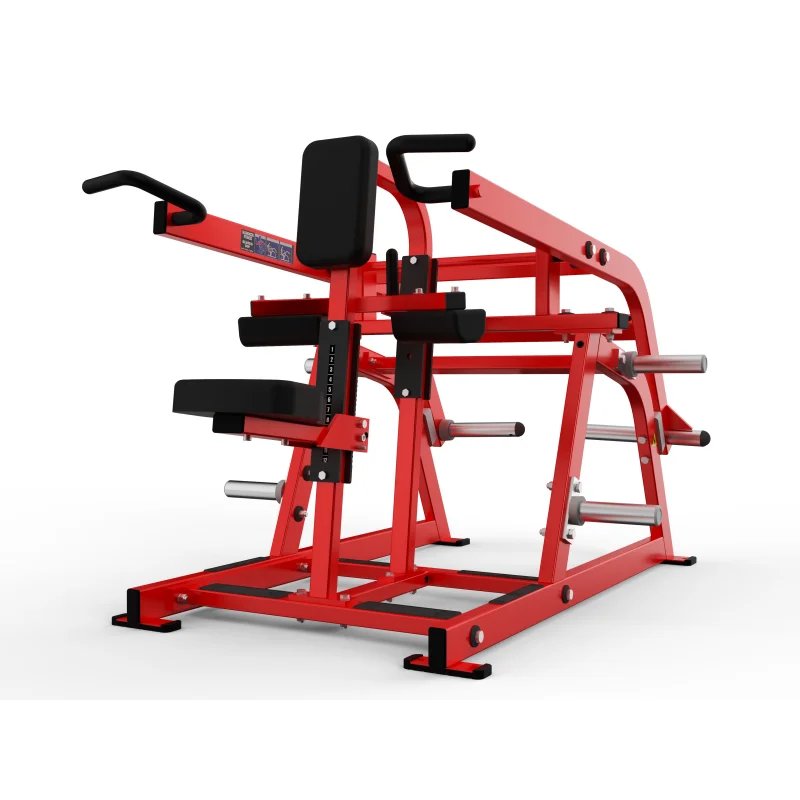
Commercial Flat Bench, 11-Gauge Steel Frame, 63kg Net Weight — engineered with 3×3 inch frame steel and robotic MIG continuous welding to eliminate flex under heavy barbell loads. High-density upholstery resists compression damage across daily commercial use cycles. Every unit undergoes individual load testing before shipment, backed by a 10-year frame warranty for high-traffic strength facilities.
// Spec Highlights
• Direct from Manufacturer · No Middlemen · Worldwide Shipping
01
// Material
Imported Solid Wood
Premium hardwood frames sourced for density and visual warmth.
02
// Hardware
Medical-Grade Silent
Whisper-quiet pulleys and springs for clinical environments.
03
// Customization
Appearance OEM
Color, upholstery, and branding tailored to your studio.
04
// Service
Layout Design
Free venue planning for studios and rehab institutions.
Every component is selected for longevity, performance, and aesthetic harmony - from imported hardwood frames to silent medical-grade accessories.
// Features
Industrial-Grade Flat Bench — Engineered with 11-gauge steel frame and continuous MIG welding to eliminate structural weak points under heavy barbell loads.
| Parameter | Value |
|---|---|
| Product Type | Flat Bench |
| Frame Steel | 11-gauge, 3×3 inch tube |
| Steel Grade | Q235 industrial certified |
| Welding Type | Robotic MIG continuous weld |
| Product Dimensions | 1304×1300×1234mm |
| Net Weight | 63kg |
| Upholstery | High-density commercial vinyl, replaceable |
| Powder Coating | 200μm scratch-resistant finish |
| Load Capacity | Tested beyond 500kg |
| Certification | ISO 9001, CE |
| Warranty | 10-year frame |
| OEM/ODM | Available |
| Facility Type | Typical Use |
|---|---|
| Commercial gym strength floor | Primary flat pressing station in free weight zone |
| CrossFit box functional zone | Olympic lifting accessory work and dumbbell pressing |
| Hotel fitness center | Durable bench solution for moderate-to-high traffic environments |
| University strength and conditioning room | Athletic team bench press and accessory movements |
| Rehabilitation and performance center | Controlled loading protocols for return-to-training programs |
Thicker steel walls resist visible deflection where thinner tubes permanently deform.
The commercial flat bench market is flooded with units labeled "commercial grade" but built on vague steel specifications. When a lifter loads 300kg onto a barbell and lies back, the frame experiences concentrated stress at the upright junction and base cross-members. Thin-wall tubing may pass visual inspection in a showroom, but under repeated heavy loading cycles, the horizontal members develop measurable sag and the welded connections begin to crack at stress concentration points [NEED_CITE: EN 957 structural requirements for stationary training equipment]. We’ve seen batch recalls happen within six months when manufacturers substitute thinner gauge steel to cut costs — the uprights show visible bowing during heavy bench sets, forcing complete frame replacement.
This flat bench anchors the pressing station in any serious strength training facility. It pairs directly with power racks and half racks for barbell work, while also serving dumbbell pressing and fly movements. The footprint accommodates high-traffic commercial environments where multiple users cycle through pressing movements throughout peak hours. The fixed flat position serves the majority of bench training needs without the complexity and maintenance burden of adjustable mechanisms. For facilities serving diverse body types, the bench height and pad width support users across a broad anthropometric range.
A commercial flat bench in a busy gym endures thousands of loading cycles monthly, from controlled eccentric lowers to explosive re-racking impacts. The highest stress concentrates where the upright posts meet the base frame and where the pad mounting brackets attach to the main beam. Continuous robotic MIG welding distributes these forces along the entire weld line rather than concentrating them at discrete spot-weld points [NEED_CITE: weld classification and fatigue performance in structural steel]. The upholstery faces constant compression from user weight plus barbell load transfer, demanding high-density foam that resists permanent deformation. Powder coating at contact points must withstand barbell knurl scraping, sweat corrosion, and cleaning chemical exposure without chipping down to bare steel.
The 11-gauge steel specification refers to wall thickness — approximately 3mm versus the 1.5-2mm found in lighter commercial benches. This directly determines the deflection threshold: when a loaded barbell rests on the uprights, thicker walls resist bending deformation that accumulates into permanent structural compromise over time. The 3×3 inch tube cross-section provides both torsional rigidity and sufficient surface area for stable weld joints. Robotic MIG welding produces continuous bead patterns that eliminate the cold joints and incomplete penetration common in manual spot welding. The 200μm powder coating thickness exceeds typical commercial specifications, providing sacrificial protection against the inevitable chips and scratches that expose underlying steel to oxidation.
Thin-wall tubing saves material cost upfront but creates warranty liability when frames develop visible deflection under normal training loads. Spot-welded joints pass initial quality checks but become failure points as fatigue cycles accumulate, potentially causing catastrophic separation during use. Low-density upholstery foam compresses permanently within months in commercial environments, requiring frequent pad replacement that exceeds the savings from cheaper initial materials. Insufficient powder coating thickness chips away at high-wear contact points, exposing bare steel to sweat-induced corrosion that spreads beneath adjacent coating and accelerates structural degradation [NEED_CITE: powder coating thickness and corrosion resistance in fitness equipment].
The 11-gauge frame steel comes with mill certification traceable to the original coil, providing verifiable material specifications rather than marketing claims. Robotic MIG welding ensures every unit receives identical continuous weld patterns, eliminating operator variability that creates weak points in manual welding. Each commercial flat bench undergoes load testing before shipment — not sample-based batch testing, but individual unit verification. The 200μm industrial powder coating survives the barbell contact, sweat exposure, and cleaning protocols of commercial environments. The 10-year frame warranty reflects confidence in structural longevity rather than expected replacement cycles. For facilities planning free weight zones, we provide 2D-3D CAD layouts showing proper spacing between bench stations and adjacent racks for safe barbell loading and spotter positioning.
Provide your strength training area dimensions and equipment list to receive optimized 2D-3D floor planning that accounts for proper bench spacing, rack positioning, and safe traffic flow. Specify your expected daily user volume so we can confirm this structural grade matches your traffic intensity. Indicate any custom requirements including frame color, upholstery selection, or facility branding integration.
Q: How do I verify a bench is truly commercial grade versus light commercial?
A: Request the steel gauge specification and wall thickness documentation. True commercial benches use 11-gauge or thicker steel with mill certification. Check the welding method — continuous MIG welds outperform spot welds under repeated loading. Verify the load testing protocol covers individual units, not just sample batches. Commercial-grade benches typically weigh 50kg or more due to substantial frame construction.
Q: What causes bench upholstery to collapse, and how often should pads be replaced?
A: Low-density foam compresses permanently under daily commercial use, losing support within months. High-density upholstery maintains structural integrity significantly longer by resisting permanent deformation from repeated loading cycles. Replacement frequency depends on daily user volume and average user weight, but quality commercial pads should provide years of service before requiring replacement. Specify replaceable pad designs for long-term maintenance efficiency.
Q: How much space should I allocate between flat benches in my free weight zone?
A: Allow minimum 600mm clearance on all sides of each bench for safe barbell loading and spotter positioning. Consider the full barbell length (typically 2200mm for Olympic bars) when planning spacing between adjacent stations. High-traffic facilities benefit from wider spacing to prevent user interference during peak hours. Request facility layout CAD support to optimize your specific floor plan and traffic patterns.
Q: Can the frame color and upholstery be customized for my facility branding?
A: OEM customization is available for frame powder coating color, upholstery vinyl selection, and logo application. Custom orders maintain the same 11-gauge steel construction and continuous MIG welding standards as standard configurations. Provide your brand color specifications and logo files during the inquiry stage to confirm feasibility and production timeline for your custom commercial flat bench order.
Premium aesthetics meet quiet operation for boutique studio environments.
Medical-grade silence and precision for sports & postpartum recovery.
Furniture-grade craftsmanship for premium residential installations.
Compact premium setups for one-on-one and small-group training.
Aesthetic Pilates integration for hybrid wellness studio programming.
Multi-unit deployment with instructor-grade reliability for certification programs.
Tell us about your project. Our team will respond within 24 hours with pricing, customization options, and shipping details.
// Sales Director
William
+86 132 2531 1800
// Export Manager
Bella
+86 198 5412 8032
william@bickfit.com