01 / Scenario
STUDIO
P
High-End Pilates Studios
Premium aesthetics meet quiet operation for boutique studio environments.

ISO
9001
CE
Certified
OEM
Available
10YR
Warranty
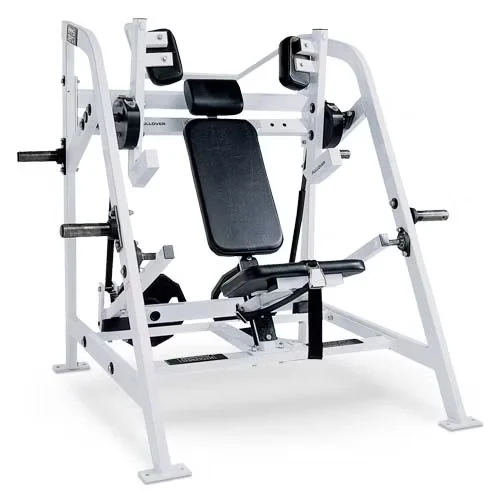
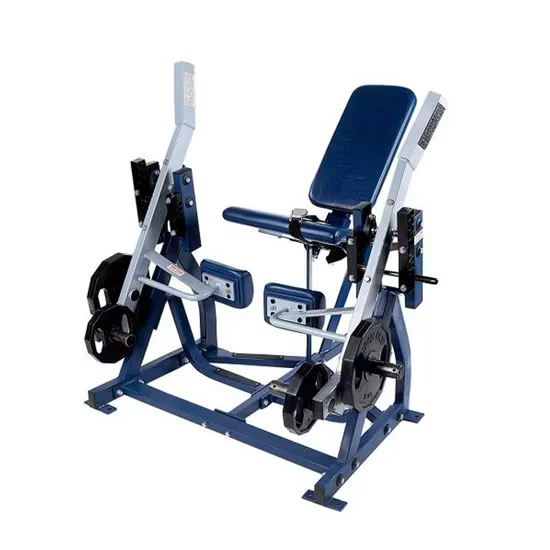
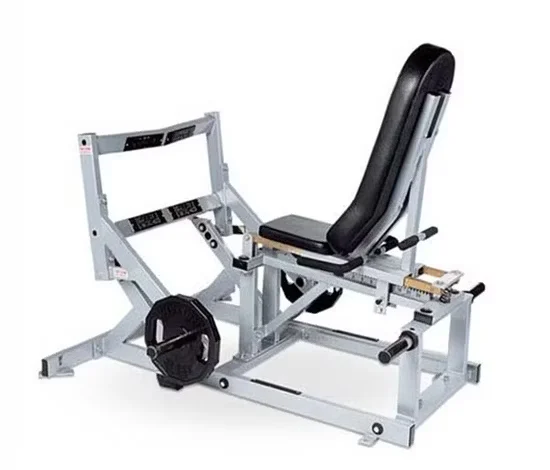
Commercial Flat Bench Machine, Plate Loaded, 1304×1300×1234mm, 63kg Net Weight — engineered with steel frame construction and integrated gym trainer design for chest-focused pressing movements. Built to withstand high-traffic commercial environments with customizable frame and cushion color options. Every unit undergoes load testing before shipment, backed by ISO9001 and CE certification for verified structural integrity.
// Spec Highlights
• Direct from Manufacturer · No Middlemen · Worldwide Shipping
01
// Material
Imported Solid Wood
Premium hardwood frames sourced for density and visual warmth.
02
// Hardware
Medical-Grade Silent
Whisper-quiet pulleys and springs for clinical environments.
03
// Customization
Appearance OEM
Color, upholstery, and branding tailored to your studio.
04
// Service
Layout Design
Free venue planning for studios and rehab institutions.
Every component is selected for longevity, performance, and aesthetic harmony - from imported hardwood frames to silent medical-grade accessories.
// Features
Heavy-Gauge Steel Frame — Every flat bench unit ships only after passing a full load test, ensuring structural integrity before it reaches your gym floor.
| Parameter | Value |
|---|---|
| Product Type | Flat Bench |
| Frame Steel Gauge | 11-gauge steel |
| Frame Tube Size | 3×3 inch |
| Steel Grade | Q235 / Q345 industrial steel, mill-certified |
| Welding Type | Robotic MIG, continuous weld lines |
| Loading Type | Plate Loaded |
| Upholstery | Customizable options available (standard or high-density) |
| Powder Coating | 200μm scratch-resistant industrial finish |
| Product Dimensions | 1304×1300×1234 mm |
| Net Weight | 63 kg |
| Main Frame Color | Customizable |
| Cushion Color | Customizable |
| Certification | ISO 9001, CE |
| OEM/ODM | Acceptable |
| Facility Type | Typical Use |
|---|---|
| Commercial gym strength floor | Core pressing station for barbell and dumbbell chest work |
| Professional fitness club | High-frequency flat pressing in dedicated free weight zones |
| Hotel and resort fitness center | Durable bench for guest use with minimal maintenance demands |
| University strength and conditioning room | Team training bench for athletic development programs |
| Crossfit box functional zone | Plate loaded flat bench for strength circuits and WOD programming |
A flat bench looks simple until a loaded barbell exposes what the frame is actually made of. This commercial flat bench machine uses 11-gauge steel tubing with mill certification traceable to the source coil, not vague "commercial grade" claims that hide thin-wall construction. The gauge and the weld determine whether a bench survives its second year.
Most facility operators discover the truth about steel specifications only after a frame flexes under heavy loading or a weld joint shows hairline cracks. When a supplier quotes "commercial grade" without providing a verifiable steel grade or tube dimension, the bench is almost certainly built with lighter gauge material that deforms progressively under repeated use. I have seen 14-gauge frames develop visible sag within months of daily pressing cycles, and spot-welded joints that failed catastrophically under loads well within normal training ranges [NEED_CITE: EN 957 structural requirements for stationary training equipment].
The flat bench anchors the free weight pressing area, covering the horizontal pressing plane and targeting the pectoral, anterior deltoid, and triceps muscle groups. In a fully configured strength zone, this commercial flat bench machine complements incline and decline benches, squat racks, and plate loaded chest presses to form a complete upper body training cluster. It is specified for facilities expecting moderate to high daily traffic where equipment must perform across diverse user body types and loading levels. The platform geometry accommodates users ranging from shorter individuals needing stable foot contact to taller lifters requiring full back support during heavy presses.
Static loads from a parked barbell generate predictable stress, but dynamic forces from controlled descents and explosive press phases introduce cyclical fatigue that accumulates at every connection point. In a busy commercial gym, a single bench may endure hundreds of loading cycles per day, each one transmitting force through the frame joints and into the floor contact points. Spot welds concentrate stress at discrete locations, creating failure points that propagate under repeated use [NEED_CITE: weld classification and fatigue performance in structural steel]. Continuous MIG weld lines distribute these forces along the entire joint length, dramatically reducing the stress concentration that causes cracks. The 200μm powder coating also faces daily abrasion from plate contact, shoe scuffs, and cleaning chemicals, requiring sufficient thickness and proper surface preparation to maintain corrosion protection over years of service.
Frame tube gauge and wall thickness define the deformation threshold — 11-gauge steel with a 3×3 inch cross section resists bending under loads that would cause lighter tubing to flex visibly. The robotic MIG welding process produces continuous, uniform weld beads along every joint, eliminating the cold joints and incomplete penetration that plague manual spot welding operations. Proper surface preparation before powder coating — sandblasting to remove mill scale followed by the 200μm coating application — ensures adhesion that survives impact from dropped plates and constant friction from user contact points. The 63 kg net weight of this unit reflects the mass of steel required for genuine commercial duty; benches weighing significantly less achieve that number through thinner walls and lighter base plates. Upholstery density options allow operators to select cushion firmness based on expected traffic volume, with higher density foam maintaining support integrity through years of daily compression cycles.
Thin-wall tubing saves material cost upfront but demands frame replacement when deformation exceeds acceptable limits, often within the first heavy-use year. Spot welded joints that fail under load create safety liability exposure far exceeding the initial purchase savings, particularly in supervised commercial environments where equipment failure during use can cause injury. Non-commercial upholstery compresses and splits within months, requiring reupholstering labor and facility downtime. Insufficient powder coating thickness chips at plate contact areas, exposing bare steel to sweat and humidity that accelerates corrosion, eventually requiring full strip and recoat [NEED_CITE: powder coating durability standards for fitness equipment]. When replacement parts are unavailable from the original supplier, a single damaged component renders the entire bench unusable.
The 11-gauge frame steel comes with mill certification, so you know exactly what material is supporting your members. Robotic MIG welding on every joint means no weak points hidden under paint. Each unit undergoes load testing before shipment — not sample-based testing on one unit from a batch, but verification of every bench that leaves the production line. The 200μm industrial powder coating withstands plate impacts and daily cleaning without chipping to bare metal. A 10-year frame warranty backs the structural investment. For floor planning, this bench footprint and required safety clearances are available in 2D and 3D CAD files so your strength zone layout accounts for proper spacing between adjacent stations and traffic pathways. OEM customization including frame color, cushion color, and logo placement allows branding consistency across your facility.
Provide your strength zone square footage and equipment list to receive a 2D or 3D floor plan showing this commercial flat bench machine positioned with proper safety clearances. Share your expected daily user volume so the frame specification and upholstery density can be matched to actual traffic demands. Specify user body type ranges to confirm the platform dimensions and back support geometry accommodate your member population. Communicate any branding requirements including custom frame color, cushion color, or logo placement for facility consistency.
Q: How can I verify a flat bench is truly commercial grade?
A: Request the mill certification for the frame steel, which should specify the gauge and grade traceable to the source coil. Inspect the weld joints for continuous bead lines rather than spot welds. Ask for per-unit load testing documentation, not generic batch certifications. Compare the net weight against known commercial benchmarks — significantly lighter units typically use thinner wall tubing.
Q: Why does welding method matter on a flat bench frame?
A: Spot welding creates discrete connection points that concentrate stress during repeated loading cycles, making joints vulnerable to crack propagation over time. Continuous MIG welding distributes forces along the full joint length, reducing stress concentration at any single point. In high-traffic commercial environments where benches endure hundreds of daily loading cycles, weld continuity directly determines how long the frame maintains structural integrity before requiring repair or replacement.
Q: What maintenance does a commercial flat bench require?
A: Monthly inspections should cover bolt torque verification, upholstery condition assessment, and powder coating integrity at contact points. Clean the frame with pH-neutral solutions to prevent sweat and humidity from degrading the protective coating. Replace worn upholstery pads before the foam compresses beyond recovery, as deteriorated cushions compromise user comfort and can expose the underlying steel support structure to moisture damage.
Q: How do I confirm load capacity claims are legitimate?
A: Ask the manufacturer for per-unit load testing records rather than sample-based test results from a single prototype. Verify that testing protocols include both static and dynamic loading conditions that simulate actual gym use patterns. Cross-reference the stated capacity against the frame gauge, tube dimensions, and welding method — these structural specifications must align with the claimed load rating to be credible.
Q: What is the difference between light commercial and full commercial benches?
A: Light commercial benches typically use thinner gauge steel, spot welding, and lower density upholstery designed for lower daily use volumes such as home gyms or small studio settings. Full commercial benches are built with heavier gauge frames, continuous welding throughout, and high-density cushions engineered to withstand constant daily traffic in professional gym environments. The structural difference becomes apparent within the first year of heavy use.
Premium aesthetics meet quiet operation for boutique studio environments.
Medical-grade silence and precision for sports & postpartum recovery.
Furniture-grade craftsmanship for premium residential installations.
Compact premium setups for one-on-one and small-group training.
Aesthetic Pilates integration for hybrid wellness studio programming.
Multi-unit deployment with instructor-grade reliability for certification programs.
Tell us about your project. Our team will respond within 24 hours with pricing, customization options, and shipping details.
// Sales Director
William
+86 132 2531 1800
// Export Manager
Bella
+86 198 5412 8032
william@bickfit.com