01 / Scenario
STUDIO
P
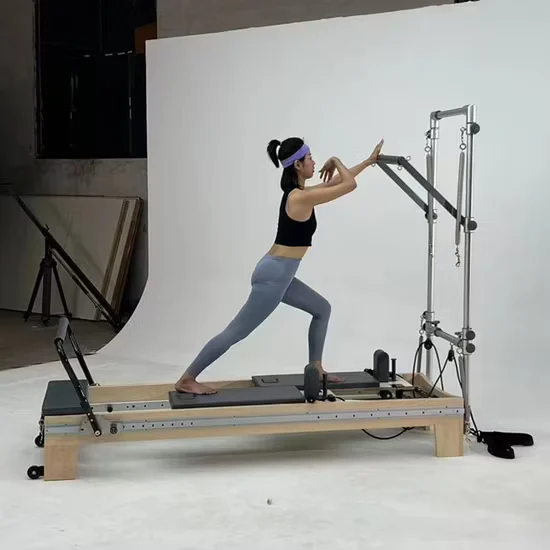
High-End Pilates Studios
Premium aesthetics meet quiet operation for boutique studio environments.
ISO
9001
CE
Certified
OEM
Available
10YR
Warranty
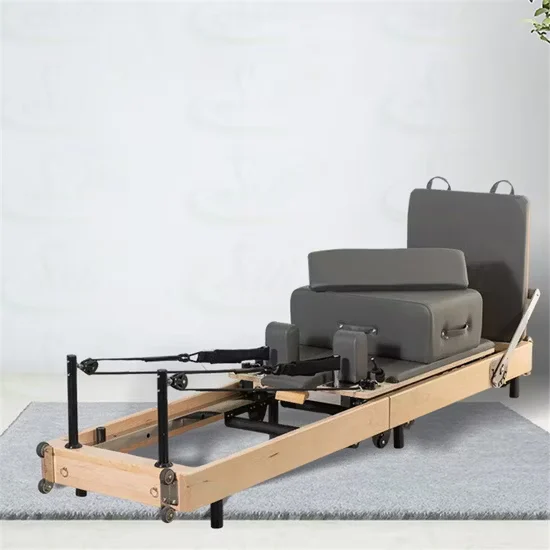
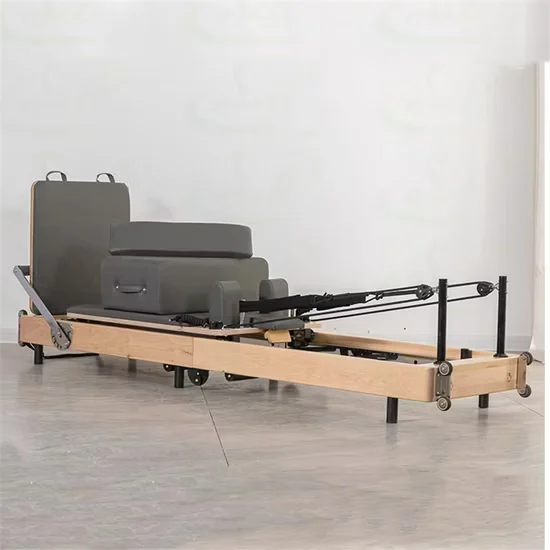
Foldable Pilates Reformer, 2400×600×350mm, 100kg Net Weight — solid-color frame with long box, jump board, and platform included for full-spectrum core training. Foldable hinge design enables space-efficient studio layouts without compromising carriage glide stability. Custom logo and 3-year structural warranty supported. Backed by full OEM-ODM capability for private-label studio deployments.
// Spec Highlights
• Direct from Manufacturer · No Middlemen · Worldwide Shipping
01
// Material
Imported Solid Wood
Premium hardwood frames sourced for density and visual warmth.
02
// Hardware
Medical-Grade Silent
Whisper-quiet pulleys and springs for clinical environments.
03
// Customization
Appearance OEM
Color, upholstery, and branding tailored to your studio.
04
// Service
Layout Design
Free venue planning for studios and rehab institutions.
Every component is selected for longevity, performance, and aesthetic harmony - from imported hardwood frames to silent medical-grade accessories.
// Features
Mill-Traceable Frame Steel — Every Foldable Pilates Reformer rail and carriage beam is cut from Q235 industrial-grade stock with coil-level certification, so the structural spec is documented rather than assumed.
| Parameter | Value |
|---|---|
| Product Type | Pilates Reformer |
| Product Dimensions | 2400 × 600 × 350 mm |
| Net Weight | 100 kg |
| Upholstery | Solid color, commercial-grade vinyl |
| Included Accessories | Long Box, Jump Board, Platform |
| Folding Mechanism | Heavy-duty hinge with positive latch |
| Warranty | 3 Years structural |
| Logo | Customized is allowed |
| Target User | Adult, Unisex |
| Transport Package | Standard Wood Case |
| Facility Type | Typical Use |
|---|---|
| Commercial Pilates studio | Group reformer classes with daily fold-store cycles |
| Boutique fitness center | Mixed-modality sessions requiring quick equipment reconfiguration |
| Hotel and resort wellness suite | In-room or spa-adjacent Pilates programming |
| Rehabilitation and physical therapy clinic | Low-impact core and mobility protocols |
Foldable Pilates reformers live or die at the folding joint — not the rail.
Most reformer manufacturers treat the fold mechanism as a convenience feature and spec it with light-duty latches and spot-welded hinges. In a studio where instructors fold and deploy units multiple times per day, that hinge absorbs impact loads the rest of the frame never sees. I pulled a batch of folding reformers back to the shop after three months because the hinge gussets were spot-welded — the studio was cycling them open and closed over a hundred times daily, and the welds cracked along the heat-affected zone. Since then, every folding node on our equipment gets continuous MIG welds with visual and tactile inspection [NEED_CITE: weld classification and fatigue performance in structural steel]. The commercial foldable pilates reformer core training bed you are evaluating was designed with that failure mode in mind.
A foldable reformer fills a specific operational niche: studios that run back-to-back group classes and need to reclaim floor space between sessions. Unlike fixed-frame reformers that occupy permanent footprint, this unit lets a commercial foldable pilates reformer core training bed serve a class of eight and then fold against a wall for open-floor functional work. It pairs with tower units and chair stations for studios building progressive Pilates curricula, and it accommodates the full adult height and weight range without carriage swap or spring reconfiguration between users.
Each deploy-fold cycle introduces an impact load at the hinge that static reformer frames never experience. The latch mechanism must hold the carriage rail in perfect alignment under eccentric loading — a user performing jump board repetitions generates repeated shock through the fold joint. Upholstery contact points at the shoulder rest and foot bar see accelerated wear in commercial rotation, and the vinyl surface must resist cracking from sweat exposure and frequent cleaning agents [NEED_CITE: EN 957 structural requirements for stationary training equipment]. Pulley routing through the fold zone adds cable flex fatigue that non-folding designs avoid entirely.
The 2400 mm bed length and 100 kg net weight signal a frame built to resist lateral flex when a loaded carriage travels the full rail. Rail gauge and wall thickness determine how much the carriage deflects under off-center loading — thin rails develop play that transfers directly to the pulley system. The folding hinge must maintain rail alignment within tight tolerance when deployed, because even minor misalignment causes the carriage wheels to track unevenly and accelerates bearing wear. The solid-color upholstery is specified for commercial rotation where neutral tones hide wear between deep-clean cycles, and the included long box, jump board, and platform eliminate accessory sourcing gaps that delay studio opening timelines.
A lighter hinge saves material cost upfront but transfers the expense to the studio operator as downtime and replacement parts. Spot-welded hinge gussets crack unpredictably — a failed hinge during a jump board set is a liability event, not a maintenance ticket. Non-sealed pulleys in the fold zone accumulate chalk and sweat residue that accelerates bearing play, and thin vinyl upholstery splits at the shoulder rest within months of commercial rotation. Undersized latch pins deform under repeated deploy cycles, leaving the rail misaligned and the carriage tracking rough.
The frame steel is sourced with mill certification traceable to the coil, so the rail and hinge material spec is verifiable rather than marketing language. Robotic MIG welding produces continuous weld lines at the fold joint — no spot-weld weak points that crack under daily cycling. Every unit undergoes load testing before crating, not sample-based QC that misses individual defects. The 200μm industrial powder coating resists chipping at the hinge contact zone where deploy-fold friction concentrates. Floor planning support includes safe clearance calculations between deployed reformer stations so your studio layout meets operational safety margins, and OEM customization covers logo, upholstery color, and accessory bundling to match your brand spec.
Provide your studio square footage and target station count to receive a 2D or 3D layout showing this reformer’s deployed and folded footprint within your space. Specify daily class volume and average user profile to confirm the structural grade matches your rotation schedule. Request upholstery color and custom logo options aligned with your studio brand guidelines.
Q: How do I tell a commercial-grade foldable reformer from a light-duty one?
A: Request the frame steel specification with mill certification, not a generic "commercial grade" label. Inspect the folding hinge — continuous welds with gusset reinforcement indicate structural intent, while spot welds at the joint signal cost-driven assembly. Check whether pulleys are sealed against chalk and sweat ingress, which determines whether the system holds alignment past the first year of daily studio use.
Q: Does the folding mechanism compromise rigidity during loaded exercises?
A: A properly engineered fold joint maintains rail alignment under eccentric load — the latch must hold the carriage beam without deflection during jump board and long box work. The critical spec is hinge geometry and weld continuity at the joint, not just the locking mechanism. Units with undersized latch pins or spot-welded gussets develop rail play that degrades carriage tracking over repeated deploy cycles.
Q: What spring and pulley setup suits mixed-level group classes?
A: Studios running beginner through advanced sessions in the same slot need a spring configuration that covers light rehabilitation resistance through full-load athletic conditioning. Sealed pulleys maintain consistent cable routing and reduce maintenance intervals between classes. Confirm that replacement springs and cables are available as stocked parts rather than special-order items, which affects your downtime between service visits.
Q: What is the replacement cycle for upholstery in a high-traffic studio?
A: Commercial vinyl rated for daily use typically shows surface wear at shoulder and hip contact points within the first year. Upholstery that is user-replaceable with standard fasteners keeps maintenance in-house — bonded or glued covers require factory service. Specify foam density suited to your session length, because low-density foam compresses permanently under back-to-back class schedules and creates visible sagging that affects client perception.
Q: How much spacing do I need between deployed reformer stations?
A: Safe clearance depends on the deployed footprint and the instructor circulation path your class format requires. Group reformer classes typically need passage width between units for hands-on cueing, while semi-private setups can run tighter. Provide your room dimensions and target station count for a scaled layout that accounts for both deployed and folded storage configurations within your available floor area.
Premium aesthetics meet quiet operation for boutique studio environments.
Medical-grade silence and precision for sports & postpartum recovery.
Furniture-grade craftsmanship for premium residential installations.
Compact premium setups for one-on-one and small-group training.
Aesthetic Pilates integration for hybrid wellness studio programming.
Multi-unit deployment with instructor-grade reliability for certification programs.
Tell us about your project. Our team will respond within 24 hours with pricing, customization options, and shipping details.
// Sales Director
William
+86 132 2531 1800
// Export Manager
Bella
+86 198 5412 8032
william@bickfit.com