01 / Scenario
STUDIO
P
High-End Pilates Studios
Premium aesthetics meet quiet operation for boutique studio environments.

ISO
9001
CE
Certified
OEM
Available
10YR
Warranty
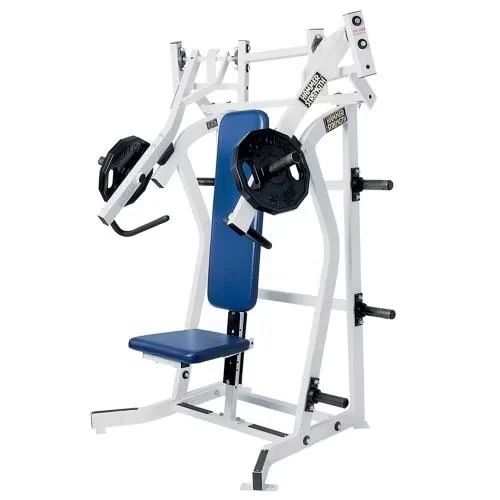
Commercial Lateral Raise Machine, 3×3 Inch Frame, Pin Select Loading — engineered with sealed industrial bearings and aircraft-cable pulley system for smooth resistance delivery during shoulder isolation training. The 200μm powder coating with sandblast pretreatment prevents chipping at high-contact zones under daily commercial use. Every unit undergoes load testing before shipment, backed by a 10-year frame warranty and floor planning support for optimal spacing.
// Spec Highlights
• Direct from Manufacturer · No Middlemen · Worldwide Shipping
01
// Material
Imported Solid Wood
Premium hardwood frames sourced for density and visual warmth.
02
// Hardware
Medical-Grade Silent
Whisper-quiet pulleys and springs for clinical environments.
03
// Customization
Appearance OEM
Color, upholstery, and branding tailored to your studio.
04
// Service
Layout Design
Free venue planning for studios and rehab institutions.
Every component is selected for longevity, performance, and aesthetic harmony - from imported hardwood frames to silent medical-grade accessories.
// Features
11-Gauge Steel, Traceable to the Coil — Every frame tube on this commercial selectorized lateral raise machine is cut from Q235 mill-certified steel with coil-level traceability, ensuring consistent yield performance across production runs.
| Parameter | Value |
|---|---|
| Product Type | Selectorized Shoulder Machine |
| Frame Tube Size | 3×3 inch |
| Loading Type | Pin Select |
| Bearing Type | Sealed Industrial Bearings |
| Pulley System | Aircraft-Cable with Sealed Bearings |
| Powder Coating | 200μm, Sandblast Pretreatment |
| Product Dimensions | 1050×1506×1300 mm |
| Net Weight | 102 kg |
| Exercise Part | Shoulder |
| Certification | ISO 9001, CE |
| OEM/ODM | Available |
| Assembly State | Unfolded |
| Power Source | Manual |
| Facility Type | Typical Use |
|---|---|
| Commercial Gym Strength Floor | Dedicated shoulder isolation station in hypertrophy and general fitness zones |
| Hotel and Resort Fitness Center | Compact footprint selectorized equipment for multi-user environments |
| University Strength and Conditioning Room | High-volume lateral deltoid training during team off-season programs |
| Rehabilitation and Performance Center | Controlled resistance path for shoulder recovery protocols |
Continuous robotic MIG welding eliminates the fatigue failure point that spot welds create under repetitive lateral raise loading.
In a high-traffic commercial gym, a selectorized lateral raise machine sees hundreds of concentric-eccentric cycles daily. Spot-welded joints — common in machines quoted at lower price points — develop micro-cracks at the heat-affected zone where the arm pivot bracket meets the main frame. These cracks are invisible during visual QC but propagate under the oscillating shear forces inherent to lateral raise biomechanics. The result is a structural failure that typically surfaces between months three and six, requiring full frame replacement rather than a simple repair [NEED_CITE: weld classification and fatigue performance in structural steel].
This commercial selectorized lateral raise machine targets the lateral deltoid through a converging arc that matches the natural abduction path of the glenohumeral joint. It pairs with overhead press stations and rear deltoid machines to form a complete shoulder training cluster. The pin-select loading system allows users to transition between weights without plate changes, making it suitable for facilities with high member turnover and varied strength levels. The seat and pad geometry accommodates a broad range of user torso lengths, reducing the need for multiple machines in the same footprint.
The lateral raise movement generates a unique loading profile: the resistance peak occurs at mid-arc where the lever arm is longest, creating maximum torque at the pivot bearing and the weld junction where the swing arm bracket attaches to the upright. Over thousands of daily repetitions, this cyclic eccentric loading tests both the bearing seal integrity and the weld continuity at stress concentration points. The sealed industrial bearings on this unit prevent sweat and chalk dust ingress — the two primary contaminants that degrade bushing-type bearings and introduce play into the movement path. The 200μm powder coating, applied over sandblast-pretreated steel, resists chipping at the contact points where users grip the frame during heavy sets and withstands daily exposure to commercial disinfectants [NEED_CITE: powder coating adhesion and corrosion resistance under industrial cleaning protocols].
The 3×3 inch frame tube with 11-gauge wall thickness establishes the bending resistance threshold for the main upright. Under a fully loaded pin-select stack, the lateral offset of the weight guide rods creates a torsional moment on the frame; a thinner wall or smaller cross-section would flex perceptibly, degrading the smoothness of the weight stack travel. The sealed bearing specification means the bearing race is enclosed against particulate contamination, which is the primary cause of premature play in pivot joints — a critical distinction from open bushing designs that require periodic lubrication and still degrade in dusty gym environments. The aircraft-cable pulley system routes through sealed bearing pulleys sized to match the cable diameter, preventing the cable flattening and fraying that occurs when pulley grooves are undersized. The 200μm coating thickness, achieved through electrostatic application over a sandblast-anchored surface, provides a chip-resistant barrier at high-contact areas such as the handle grip zone and the base rail where users step during entry and exit.
Machines built with thin-wall tubing and spot-welded joints may pass initial visual inspection but deform under sustained commercial loading, causing the weight stack guide rods to bind and the pin-select mechanism to jam. Non-sealed bearings develop play within months, creating a loose, imprecise feel that members associate with poor equipment quality — and the maintenance cost of bearing replacement across a full shoulder station compounds quickly. Low-density upholstery compresses permanently under daily use, exposing the foam substrate within a single quarter, while thin powder coating chips at contact points, revealing bare steel that corrodes under gym humidity and cleaning chemicals. When non-standard hardware is used, replacement parts become unavailable, forcing full assembly swaps instead of simple component exchanges [NEED_CITE: commercial fitness equipment maintenance cost analysis for bearing and upholstery replacement].
Every unit is built on an 11-gauge steel frame with mill-certified Q235 material traceable to the original coil, ensuring that the structural specification is verifiable rather than a marketing claim. Robotic MIG welding produces continuous weld seams along all structural joints, eliminating the spot-weld weak points that fail under cyclic loading. Each machine undergoes individual load testing before shipment — not sample-based inspection — confirming that the frame, bearings, and cable system perform under stress. The 200μm industrial powder coating with sandblast pretreatment delivers long-term surface protection in high-traffic environments. A 10-year frame warranty backs the structural investment. For gym operators planning a shoulder training zone, 2D-3D CAD floor planning support ensures this commercial selectorized lateral raise machine is positioned with correct clearance for safe entry, exit, and adjacent equipment access. OEM customization is available for facilities requiring brand-specific colorways or logo integration.
Provide your strength floor dimensions and target equipment list to receive a 2D-3D CAD layout showing optimal placement for this commercial selectorized lateral raise machine with correct safety clearances. Specify your average daily user volume so the structural grade can be matched to your facility’s demand profile. Indicate the user body size range to confirm seat and pad adjustability compatibility. Custom color, logo, and upholstery options are available for branded facility deployments.
Q: How do I verify that a shoulder machine frame meets genuine commercial-grade steel specifications?
A: Request a mill-certified steel test report with coil traceability from the manufacturer. A genuine 11-gauge, 3×3 inch frame tube will have documentation linking the material to its original production batch. Machines that only quote "commercial grade" without verifiable steel specs cannot confirm structural consistency across units.
Q: What is the practical difference between sealed bearings and bushing bearings in a high-traffic gym environment?
A: Sealed bearings are enclosed against contaminants like sweat, chalk dust, and humidity, maintaining smooth operation without periodic maintenance. Bushing-type bearings are open or partially shielded, allowing particulate ingress that causes wear and play over time. In a commercial shoulder machine used hundreds of times daily, sealed bearings significantly extend service intervals and maintain movement precision.
Q: How should I plan floor spacing around a selectorized lateral raise machine in a commercial gym?
A: The unit footprint is 1050×1506 mm. Maintain at least 600 mm of clear space on all sides to allow safe entry, exit, and movement during the exercise arc. When configuring a shoulder training cluster, position this machine adjacent to overhead press and rear deltoid stations with clear traffic aisles between them to prevent congestion during peak hours.
Q: What causes upholstery to degrade quickly on commercial shoulder machines, and how is this addressed?
A: High-density vinyl over multi-density foam resists permanent compression from daily use. Lower-quality upholstery uses thin vinyl over single-density foam that collapses within months, exposing the substrate to tearing. Replacement pads should be readily available from the manufacturer to avoid extended equipment downtime when wear eventually occurs.
Q: Can this machine be customized for facility branding requirements?
A: OEM and ODM options are available, including custom powder coating colors to match facility branding, logo placement on the frame, and upholstery color selection. Custom configurations are produced under the same structural specifications and QC processes as standard units, ensuring no compromise on frame integrity or component quality.
Premium aesthetics meet quiet operation for boutique studio environments.
Medical-grade silence and precision for sports & postpartum recovery.
Furniture-grade craftsmanship for premium residential installations.
Compact premium setups for one-on-one and small-group training.
Aesthetic Pilates integration for hybrid wellness studio programming.
Multi-unit deployment with instructor-grade reliability for certification programs.
Tell us about your project. Our team will respond within 24 hours with pricing, customization options, and shipping details.
// Sales Director
William
+86 132 2531 1800
// Export Manager
Bella
+86 198 5412 8032
william@bickfit.com