01 / Scenario
STUDIO
P
High-End Pilates Studios
Premium aesthetics meet quiet operation for boutique studio environments.

ISO
9001
CE
Certified
OEM
Available
10YR
Warranty
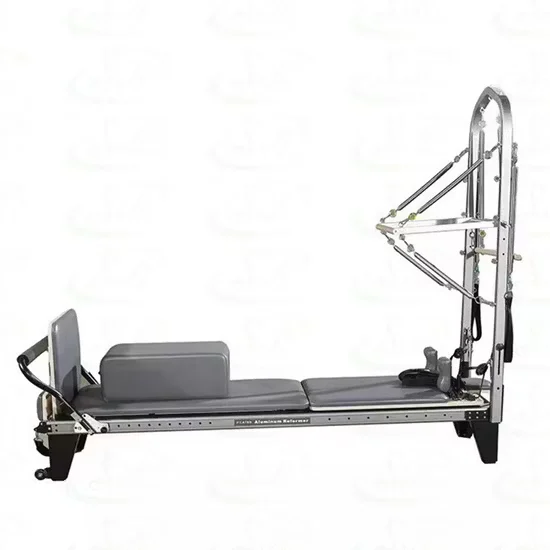
Pilates Reformer with Tower, 240×557×52 cm, 200 kg Net Weight — reinforced steel frame with sealed bearings at pulley and carriage contact points, solid-color powder-coated finish rated for 6+ hours daily studio operation. Integrated tower pulley system features smooth cable routing and torsion-resistant frame-to-tower junction engineered for high-repetition classes. Every unit undergoes three-stage load inspection before shipment with full OEM branding customization available.
// Spec Highlights
• Direct from Manufacturer · No Middlemen · Worldwide Shipping
01
// Material
Imported Solid Wood
Premium hardwood frames sourced for density and visual warmth.
02
// Hardware
Medical-Grade Silent
Whisper-quiet pulleys and springs for clinical environments.
03
// Customization
Appearance OEM
Color, upholstery, and branding tailored to your studio.
04
// Service
Layout Design
Free venue planning for studios and rehab institutions.
Every component is selected for longevity, performance, and aesthetic harmony - from imported hardwood frames to silent medical-grade accessories.
// Features
Steel Integrity — Mill-certified steel sourcing traceable from coil to final assembly ensures verifiable structural performance for commercial studio environments.
| Parameter | Value |
|---|---|
| Product Type | Pilates Reformer with Tower |
| Product Dimensions | 240×557×52 cm / 257×81×52 cm |
| Net Weight | 200 kg |
| Color Options | Solid Color, Customized |
| Logo | Customized |
| Warranty | 3 Years |
| Production Capacity | 80 Pieces/Month |
| Facility Type | Typical Use |
|---|---|
| Commercial Pilates studio | Daily group reformer classes with continuous tower spring resistance |
| Boutique fitness and movement studio | Semi-private sessions blending reformer carriage work with tower pulley exercises |
| Rehabilitation and physical therapy center | Low-impact guided movement for injury recovery with adjustable spring tension |
| Hotel and resort wellness facility | High-turnover guest use with minimal maintenance requirements |
The junction between a reformer carriage and an integrated tower pulley unit is where most studio-grade equipment accumulates structural fatigue first.
When we designed this commercial Pilates reformer with tower and pulley system, we started from the failure logs of studios running six or more classes per day. The carriage rails and tower attachment points endure cyclical loading in opposing directions — spring recoil from the reformer and cable pull from the tower pulley system. Light-commercial units with vague "commercial grade" frame claims often lack verifiable steel specifications at these critical joints. Within months of daily use, the misalignment shows up as carriage wobble and pulley cable drift, both of which compromise movement precision and force unscheduled maintenance [NEED_CITE: EN 957 structural requirements for stationary training equipment].
A commercial Pilates reformer with tower and pulley system covers the full sagittal and frontal movement planes, engaging core stabilizers, hip flexors, and upper-body pulling musculature in a single station. In a studio layout, it pairs with mat zones and small apparatus like the Wunda chair to create class flow without redundant footprint. The integrated tower eliminates the need for a standalone half trapeze or Cadillac, which is critical for boutique studios operating in constrained urban floor plans. Users ranging from rehabilitation clients to advanced practitioners can scale resistance through spring tension adjustments rather than requiring separate equipment.
The carriage undergoes thousands of push-pull cycles per week in a busy studio, with each repetition transferring force through the wheels, rails, and frame mounting points. The tower pulley system adds lateral and overhead cable tension that creates torsional stress at the reformer-to-tower junction — a zone where spot welds and thin-walled brackets develop hairline cracks before the main frame shows any wear. Sealed bearings at pulley contact points resist sweat and chalk dust infiltration that destroys bushing-type systems within the first year of high-traffic operation. The powder-coated finish at spring clip anchors and foot bar contact zones must withstand daily abrasion from metal hardware and cleaning chemicals without exposing bare steel [NEED_CITE: weld classification and fatigue performance in structural steel].
Frame tube gauge and wall thickness directly determine torsional rigidity when springs load the carriage during footwork and tower pull-through sequences. A heavier-gauge tube profile resists the flex that causes carriage tracking deviation and makes movement feel imprecise to experienced practitioners. Sealed bearings at carriage wheel and pulley contact points outperform simple bushings because they maintain consistent rotational tolerance despite particulate accumulation from studio floor dust and rubber mat degradation. Upholstery density and bonding method on the carriage pad determine whether the foam compresses permanently after months of repeated body-weight loading — a collapsed pad forces practitioners into misaligned starting positions. Powder coating thickness at high-contact zones like spring hooks and tower attachment bolts must exceed minimum coverage to prevent chipping that initiates oxidation under humid studio conditions.
Thin-walled frame tubes deform under loaded spring resistance, introducing carriage wobble that degrades exercise quality and accelerates wheel wear. Spot welds at the tower base may pass initial visual inspection but propagate cracks under the torsional cycling that tower pulley exercises generate. Non-sealed pulley bearings require frequent replacement and develop play that causes cable misrouting and uneven resistance delivery. Low-density upholstery on the carriage pad compresses within months of daily class schedules, forcing studios into replacement cycles that accumulate downtime costs far exceeding the initial material savings. Insufficient powder coating at attachment points chips quickly, exposing bare steel to oxidation that compromises structural appearance and invites corrosion at load-bearing connections [NEED_CITE: corrosion progression at coating failure points on fitness equipment frames].
Our mill-certified steel sourcing means every frame tube can be traced back to the originating coil, providing verifiable gauge and grade documentation rather than vague "commercial grade" marketing claims. Robotic MIG welding produces continuous weld lines at the reformer-to-tower junction, eliminating the spot-weld weak points that crack under cyclical torsional loading. Every unit undergoes load testing before shipment — not sample-based QC, but unit-by-unit verification that catches alignment and tolerance issues before they reach the studio floor. Industrial-grade powder coating at high-contact attachment zones resists chipping from spring clip engagement and cleaning chemical exposure over years of daily use. Our 2D-3D floor planning CAD support helps studio owners position this reformer system with correct safety clearances between stations, ensuring instructors can circulate freely during group classes without collision risk. OEM customization including studio branding, color matching, and upholstery selection allows operators to maintain visual identity across multi-location rollouts.
Share your studio floor dimensions and target class capacity so we can provide 2D-3D layout planning that positions each commercial Pilates reformer with tower and pulley system at correct spacing. Specify average daily usage hours to confirm the structural grade matches your operational intensity. Provide practitioner body-type range requirements to verify the reformer’s adjustment positions accommodate your client demographic. Indicate any branding, color, or upholstery customization requirements for multi-studio consistency.
Q: How do you distinguish commercial-grade from light-commercial Pilates reformers at the structural level?
A: Request mill-certified steel documentation for frame tubes rather than accepting vague commercial-grade claims. Verify whether carriage wheels and pulley contact points use sealed bearings or simple bushings — sealed bearings maintain alignment under daily use while bushings develop play within months. Check weld inspection standards and whether every unit receives individual load testing before shipment.
Q: What powder coating thickness protects high-contact points on a studio reformer?
A: High-contact zones like spring clip anchors, foot bar mounts, and tower attachment bolts need coating thickness that resists chipping from repeated metal-to-metal engagement and daily chemical cleaning. Thin coating exposes bare steel at these points, initiating oxidation that degrades structural appearance and compromises long-term durability under studio humidity conditions.
Q: How frequently should pulley cables and carriage wheels be inspected in commercial use?
A: Studios operating six or more classes daily should inspect pulley cables for fraying and carriage wheels for tracking deviation at monthly intervals. Sealed bearings extend service intervals significantly compared to bushing systems, but cable routing alignment and wheel bearing play should still be verified regularly to maintain movement precision and prevent sudden component failure during classes.
Q: Can this reformer system be customized with studio branding?
A: Yes. Logo placement, frame color, and upholstery material can be customized to match studio visual identity across multiple locations. Customization is applied during manufacturing rather than aftermarket, ensuring branding durability matches the equipment’s structural lifespan. Provide brand specifications during the inquiry stage for accurate production planning.
Q: What maintenance does the tower pulley system require under daily studio operation?
A: The sealed bearings in the tower pulley system reduce maintenance frequency compared to unsealed alternatives. Quarterly inspection of cable tension, pulley alignment, and tower attachment bolt torque is recommended. Spring resistance components should be checked for fatigue signs, and replacement springs are available through documented spare parts channels to minimize studio downtime.
Premium aesthetics meet quiet operation for boutique studio environments.
Medical-grade silence and precision for sports & postpartum recovery.
Furniture-grade craftsmanship for premium residential installations.
Compact premium setups for one-on-one and small-group training.
Aesthetic Pilates integration for hybrid wellness studio programming.
Multi-unit deployment with instructor-grade reliability for certification programs.
Tell us about your project. Our team will respond within 24 hours with pricing, customization options, and shipping details.
// Sales Director
William
+86 132 2531 1800
// Export Manager
Bella
+86 198 5412 8032
william@bickfit.com