01 / Scenario
STUDIO
P
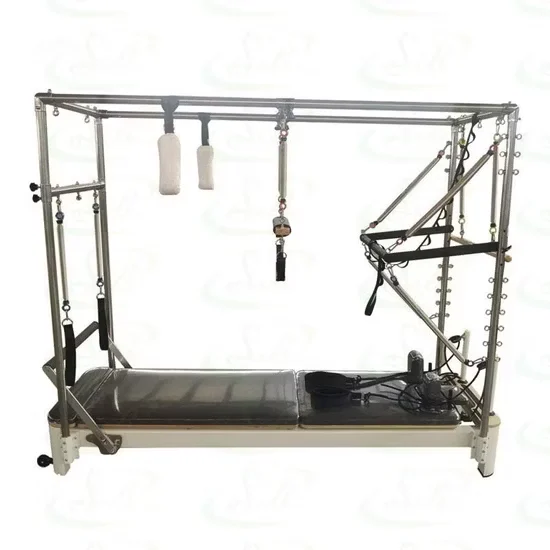
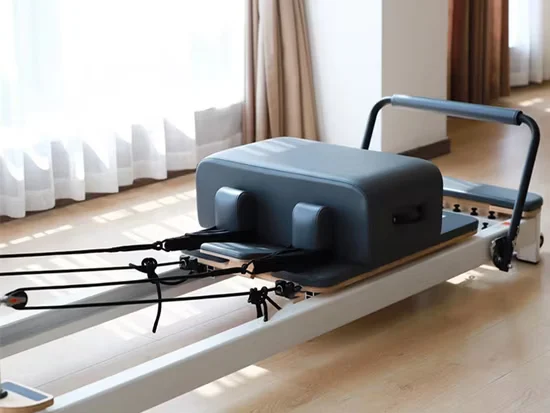
High-End Pilates Studios
Premium aesthetics meet quiet operation for boutique studio environments.
ISO
9001
CE
Certified
OEM
Available
10YR
Warranty
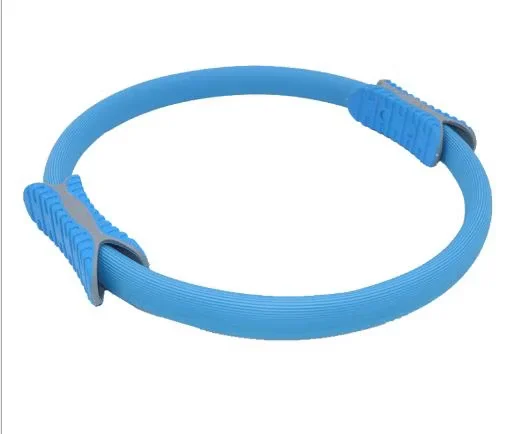
Pilates Ring, 35cm Diameter, 0.5kg, High-Density PVC — engineered with seamless one-piece molding to eliminate stress concentration points common in bonded alternatives. The 35cm diameter delivers consistent resistance across upper body, core, and lower limb movements, while custom logo and color options support branded studio deployments. Every unit undergoes structural integrity checks before shipment, backed by direct factory pricing with a 20-piece minimum order.
// Spec Highlights
• Direct from Manufacturer · No Middlemen · Worldwide Shipping
01
// Material
Imported Solid Wood
Premium hardwood frames sourced for density and visual warmth.
02
// Hardware
Medical-Grade Silent
Whisper-quiet pulleys and springs for clinical environments.
03
// Customization
Appearance OEM
Color, upholstery, and branding tailored to your studio.
04
// Service
Layout Design
Free venue planning for studios and rehab institutions.
Every component is selected for longevity, performance, and aesthetic harmony - from imported hardwood frames to silent medical-grade accessories.
// Features
Structural Integrity First — Every Pilates Ring is molded as a single unit from high-density PVC to eliminate seam failures under repeated studio compression cycles.
| Parameter | Value |
|---|---|
| Product Type | Pilates Ring |
| Material | PVC |
| Diameter | 35cm |
| Weight | 0.5kgs |
| Color Options | Solid Color, custom options available |
| Logo | Customized Is Allowed |
| MOQ | 20PCS |
| Age Group | Adult |
| Target Gender | Women |
| Facility Type | Typical Use |
|---|---|
| Pilates Studio | Group reformer classes and private instruction zones |
| Commercial Gym | Functional training area and group exercise studio |
| Hotel Fitness Center | Light resistance training and flexibility corner |
| Rehabilitation and Performance Center | Low-impact resistance work for recovery programs |
| University Athletic Training Room | Supplemental flexibility and core activation sessions |
Density and molding method determine whether a ring is training equipment or disposable inventory.
Studio operators frequently replace rings every few months because low-density foam cores compress permanently under daily class use. Handles detach at the bond line where adhesive meets foam, and outer covers split along the seam where two halves were joined. The commercial pilates ring market is saturated with products that look identical on a product page but diverge sharply in material density and construction method once they enter a high-rotation class schedule [NEED_CITE: material fatigue standards for studio-grade resistance accessories].
The commercial pilates ring occupies a specific role in resistance-based flexibility and activation work. It targets inner thigh adductors, outer hip abductors, chest compressors, and upper back stabilizers through variable squeeze-and-hold patterns. On a studio floor, it complements reformer-based spring resistance by adding portable, bodyweight-level loading for warm-up sequences and cool-down mobility blocks. It suits facilities running back-to-back group sessions where equipment must be redistributed and collected quickly between classes. The 35cm diameter accommodates most adult body proportions, fitting between knees, ankles, or forearms without requiring size adjustments.
A ring used across three to four group classes daily undergoes hundreds of compression-release cycles per week. The load type is predominantly static hold with eccentric release, meaning the material must return to its original diameter repeatedly without creep deformation. At the handle junction, stress concentrates where the grip meets the ring body, making this zone the most common failure point in two-piece molded rings. Surface texture degrades under sweat exposure and cleaning chemicals, eventually creating smooth spots that compromise grip during overhead and behind-back positions. Coating and material integrity at these contact points directly determines whether the ring remains functional or gets pulled from rotation [NEED_CITE: cyclic compression testing protocols for PVC fitness accessories].
High-density PVC as a base material resists permanent deformation far better than EVA foam or low-density PE alternatives, maintaining consistent resistance feedback across thousands of compression cycles. One-piece molding eliminates the glued seam that typically splits after weeks of studio use, removing the single most common structural failure point. The 35cm diameter sits in a range that provides meaningful resistance for both upper-body presses and lower-body squeezes without forcing users into awkward joint angles. At 0.5kgs, the ring is light enough for extended hold sequences but carries enough mass to feel stable during dynamic movements. Handle geometry and surface texture influence whether users can maintain grip through sweat-heavy sessions without excessive squeeze force that fatigues forearms prematurely.
Switching from high-density PVC to low-density foam reduces per-unit cost but introduces a replacement cycle that compounds quarterly purchasing expenses. Two-piece construction with adhesive bonding creates a predictable failure timeline, usually within the first few months of commercial use, generating waste and reorder overhead. Handles that lack ergonomic contouring force users to grip harder, accelerating forearm fatigue and reducing effective training time. Non-standardized diameters create inconsistency across a studio’s ring inventory, confusing participants in group settings where uniformity matters for instruction clarity. Rings without UV and chemical resistance deteriorate visibly under studio lighting and disinfectant routines, degrading the professional appearance of the facility.
Our manufacturing standards for structural steel equipment extend to accessory production decisions. One-piece PVC molding mirrors our commitment to eliminating weak joints, the same principle behind continuous robotic MIG welding on our strength frames. Material traceability applies here as it does with our Q235 and Q345 steel sourcing, ensuring density consistency across production batches. The custom logo and color options support brand cohesion for studios operating multiple locations with unified visual identity. Our MOQ of 20 units allows smaller studios to order without committing to distributor-level volumes. Facility layout planning through our CAD services can include accessory storage zones to keep rings organized and accessible between classes. Every order ships with the same three-stage inspection process applied to our heavy equipment [NEED_CITE: quality control standards for fitness accessories in commercial environments].
Provide your group exercise schedule and average class size to determine optimal ring quantities and storage requirements. Specify your studio’s brand colors and logo placement preferences to align accessories with your facility’s visual identity. Share your participant demographic to confirm the 35cm diameter suits your primary user base. Indicate your preferred packaging format for efficient receiving and inventory management across multiple studio locations.
Q: How do you distinguish a commercial-grade Pilates ring from a consumer-grade one?
A: Commercial-grade rings use high-density PVC in one-piece molding, eliminating the glued seams that fail under daily class rotation. Consumer rings typically use low-density foam with bonded handles that separate within months of regular use. The material density directly affects rebound consistency and resistance feedback over hundreds of compression cycles.
Q: How does PVC compare to TPE or rubber for Pilates ring durability?
A: PVC maintains structural rigidity and consistent resistance under repeated compression better than most TPE formulations, which tend to soften over time with sweat and heat exposure. Rubber offers durability but adds significant weight and can leave marks on studio flooring. PVC balances longevity, weight, and surface cleanliness for high-rotation studio environments.
Q: What customization options exist for logo placement and color matching?
A: Custom logo printing is available on the ring body or handle area, with color matching to your studio’s brand palette. Minimum order of 20 units applies to all custom configurations. Production lead time depends on logo complexity and color count, so submitting artwork early helps align delivery with your studio opening or rebranding schedule.
Q: How should a studio store Pilates rings to prevent deformation between classes?
A: Store rings flat or vertically slotted in a rack that supports the full diameter without bending pressure. Avoid stacking heavy items on top of stored rings, as sustained off-axis pressure can cause gradual warping in any PVC product. Keep storage away from direct heat sources and sunlight to maintain material consistency and color stability.
Premium aesthetics meet quiet operation for boutique studio environments.
Medical-grade silence and precision for sports & postpartum recovery.
Furniture-grade craftsmanship for premium residential installations.
Compact premium setups for one-on-one and small-group training.
Aesthetic Pilates integration for hybrid wellness studio programming.
Multi-unit deployment with instructor-grade reliability for certification programs.
Tell us about your project. Our team will respond within 24 hours with pricing, customization options, and shipping details.
// Sales Director
William
+86 132 2531 1800
// Export Manager
Bella
+86 198 5412 8032
william@bickfit.com