01 / Scenario
STUDIO
P
High-End Pilates Studios
Premium aesthetics meet quiet operation for boutique studio environments.

ISO
9001
CE
Certified
OEM
Available
10YR
Warranty
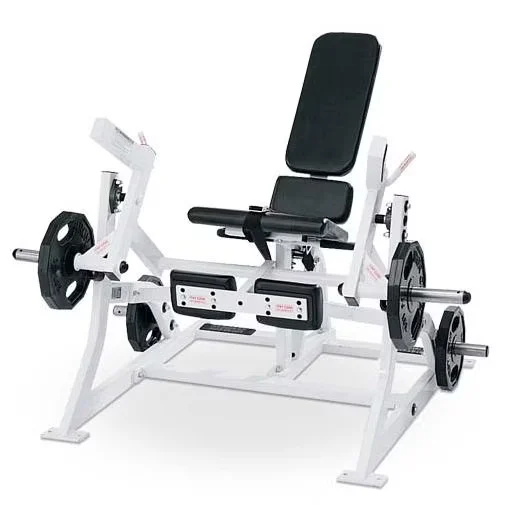
ISO-Lateral Chest Press, Plate Loaded, 1323×1599×1746 mm, 140 kg — constructed with 3×3 inch frame steel and continuous robotic MIG welding to prevent joint fatigue under heavy commercial use. Independent converging arm paths track natural pressing mechanics without binding. Backed by a 10-year frame warranty and complimentary floor planning for safe station spacing.
// Spec Highlights
• Direct from Manufacturer · No Middlemen · Worldwide Shipping
01
// Material
Imported Solid Wood
Premium hardwood frames sourced for density and visual warmth.
02
// Hardware
Medical-Grade Silent
Whisper-quiet pulleys and springs for clinical environments.
03
// Customization
Appearance OEM
Color, upholstery, and branding tailored to your studio.
04
// Service
Layout Design
Free venue planning for studios and rehab institutions.
Every component is selected for longevity, performance, and aesthetic harmony - from imported hardwood frames to silent medical-grade accessories.
// Features
Verifiable Steel — 11-gauge frame tubes with mill certificates traceable to the coil for this ISO-lateral chest press.
| Parameter | Value |
|---|---|
| Product Type | Plate Loaded Chest Press |
| Exercise Part | Chest |
| Loading Type | Plate loaded (ISO-Lateral) |
| Frame Steel Gauge | 11-gauge |
| Frame Tube Size | 3×3 inch |
| Steel Grade | Q235 / Q345 industrial steel, mill-certified |
| Welding Type | Robotic MIG, continuous weld lines |
| Load Capacity | Tested beyond 500 kg |
| Bearing Type | Sealed industrial bearings |
| Powder Coating | Sandblast pre-treatment, 200μm scratch-resistant finish |
| Upholstery | Standard or high-density commercial options |
| Product Dimensions | 1323 × 1599 × 1746 mm |
| Net Weight | 140 kg |
| Certification | CE, ISO 9001, RoHS |
| Warranty | 10-year frame warranty |
| Facility Type | Typical Use |
|---|---|
| Commercial gym strength floor | Primary horizontal press station in plate loaded zones |
| Hotel and resort fitness center | High-durability chest press for unsupervised member use |
| University strength and conditioning room | Heavy loading for athletic performance programs |
| CrossFit box functional zone | Supplementary strength station alongside rigs |
| Institutional athletic facility | Daily-use pressing movement for team training rotations |
Thicker walls prevent the deflection that separates weld joints under repeated plate loading.
When a gym specifies "commercial grade" without publishing actual tube gauge or wall thickness, you cannot verify what happens at the pivot when someone loads four plates per side. We have seen competitor units with thinner walls bend at the main cross-member after months of heavy use, concentrating stress directly into spot-welded joints until they crack open. A verifiable 11-gauge specification means the steel itself absorbs the load rather than transferring it into the weakest weld point. [NEED_CITE: EN 957 structural requirements for stationary training equipment]
This commercial plate loaded chest press covers the horizontal pressing plane, targeting the pectoralis major with independent converging arm paths that track natural shoulder mechanics. In a strength floor layout, it complements incline and decline press stations to complete the full pressing spectrum, and pairs with a cable crossover for fly isolation work. The independent arm design accommodates users with different limb lengths and strength imbalances, making it suitable for facilities serving a wide demographic range. High-traffic commercial gyms benefit from the plate loaded format because it eliminates weight stack cable maintenance while allowing advanced users to load beyond selectorized limits.
The main pivot bearings on this unit endure concentric and eccentric loading cycles every repetition, with peak stress occurring at the bottom of the press when the lever arm is fully extended and the plate load creates maximum torque. In a busy commercial gym, a single station may see hundreds of repetitions daily across dozens of users, accumulating fatigue cycles that expose any discontinuity in the weld lines. The ISO-lateral arm architecture distributes load across two independent pivot axes rather than a single central shaft, reducing the torsional stress on each bearing housing. Sealed industrial bearings prevent sweat and chalk dust from penetrating the raceway, which is the primary cause of premature play development in unsealed alternatives. Powder coating at contact points — where plates brush the frame during loading — must withstand impact abrasion and chemical exposure from cleaning agents. [NEED_CITE: weld classification and fatigue performance in structural steel]
The 3×3 inch tube cross-section combined with 11-gauge wall thickness establishes the deflection threshold: under heavy eccentric loading, the tube resists bending at the points where the lever arms attach to the main frame. Continuous robotic MIG welding produces uninterrupted weld beads along every joint, eliminating the stress concentration points inherent in spot-welded construction where load transfers through isolated weld nuggets. The 200μm powder coating applied over sandblasted steel creates a mechanical bond that resists chipping when plates contact the frame during loading and unloading — thinner coatings flake at these impact zones and expose bare steel to oxidation. Sealed bearings at each pivot axis maintain smooth arm travel even when chalk dust and sweat accumulate in the gym environment, whereas unsealed bushings develop lateral play that degrades the pressing path over time.
Thinner wall tubing flexes measurably under three or four plates per side, and that flex transfers cyclic stress into every welded joint — eventually cracking spot welds that passed initial visual inspection. When a pivot bearing is unsealed, sweat infiltration degrades the raceway within the first year of commercial traffic, creating lateral play that forces the gym to pull the unit offline for bearing replacement or accept a degraded movement path. Low-density upholstery compresses permanently within months of daily use, requiring pad replacement that adds both parts cost and equipment downtime. Insufficient powder coating thickness at plate-loading contact points leads to visible chipping and rust streaks that degrade the gym floor appearance and require touch-up maintenance. Non-standard hardware and proprietary fasteners mean that when any component fails, the operator cannot source replacements locally and must wait for a specific supplier to ship parts. [NEED_CITE: commercial fitness equipment total cost of ownership analysis]
The 11-gauge frame steel used in this unit comes with mill certification traceable back to the original coil, so you can verify the exact grade and wall thickness rather than trusting a generic "commercial" label. Every welded joint is produced by robotic MIG with continuous bead lines, eliminating the spot-weld failure pattern we have documented in recalled equipment. Each completed unit undergoes individual load testing before crating — not sample-based QC where only one in a batch is verified. The 200μm industrial powder coating over sandblast preparation ensures the finish holds up to plate impacts and cleaning chemicals on a busy strength floor. The 10-year frame warranty reflects confidence in the structural package. For facility planning, we provide 2D-3D CAD layouts that calculate safe clearance zones around this unit’s 1323 × 1599 mm footprint, accounting for plate loading space and user circulation paths.
Provide your strength zone floor dimensions and current equipment list so we can generate a 2D-3D placement plan with calculated safety clearances for this and complementary pressing stations. Specify average daily user volume to confirm the structural rating matches your traffic pattern. Indicate the primary user demographic — whether competitive athletes, general membership, or mixed populations — so we can verify the ISO-lateral arm convergence range fits the expected body type distribution. Note any customization requirements including frame color, logo placement, or upholstery density preferences.
Q: How do I verify whether a plate loaded chest press is genuinely commercial grade?
A: Request mill-certified steel documentation showing exact gauge and grade rather than accepting vague "commercial grade" claims. Inspect weld joints for continuous bead lines versus isolated spot welds. Ask for per-unit load testing records, not sample-based quality reports. Confirm powder coating thickness specifications and pre-treatment methods, since these determine long-term durability at plate contact points.
Q: What frame steel gauge is necessary for heavy plate loading on a chest press?
A: For a plate loaded station routinely loaded with multiple plates per side, 11-gauge steel in a 3×3 inch tube cross-section provides the deflection resistance needed to maintain structural alignment under eccentric and concentric loading cycles. Thinner gauges flex measurably, transferring cyclic stress into weld joints and accelerating fatigue at pivot connection points.
Q: How does ISO-lateral arm design benefit pressing mechanics compared to a fixed bar path?
A: Independent converging arms allow each side to move through its natural arc, accommodating limb length differences and strength imbalances between sides. The converging path tracks the pectoral fiber orientation more closely than a straight bar path. This reduces shoulder joint stress at the bottom position and allows users to train unilaterally when addressing asymmetries.
Q: What maintenance schedule do pivot bearings require under heavy commercial use?
A: Sealed industrial bearings in plate loaded equipment require minimal routine maintenance since the seal prevents sweat, chalk, and dust infiltration. Check for lateral play quarterly by applying side pressure to each lever arm. Any detectable movement indicates seal degradation or raceway wear. In high-traffic facilities, an annual bearing inspection during scheduled equipment servicing is standard practice.
Q: How should I plan floor spacing around a plate loaded chest press station?
A: Account for the equipment footprint plus plate loading clearance on both sides, user entry and exit paths, and safe walking distance between adjacent stations. A minimum clearance zone on each side accommodates plate handling without users crossing into neighboring equipment lanes. Providing your floor plan allows precise CAD layout with verified spacing calculations.
Premium aesthetics meet quiet operation for boutique studio environments.
Medical-grade silence and precision for sports & postpartum recovery.
Furniture-grade craftsmanship for premium residential installations.
Compact premium setups for one-on-one and small-group training.
Aesthetic Pilates integration for hybrid wellness studio programming.
Multi-unit deployment with instructor-grade reliability for certification programs.
Tell us about your project. Our team will respond within 24 hours with pricing, customization options, and shipping details.
// Sales Director
William
+86 132 2531 1800
// Export Manager
Bella
+86 198 5412 8032
william@bickfit.com