01 / Scenario
STUDIO
P
High-End Pilates Studios
Premium aesthetics meet quiet operation for boutique studio environments.
ISO
9001
CE
Certified
OEM
Available
10YR
Warranty
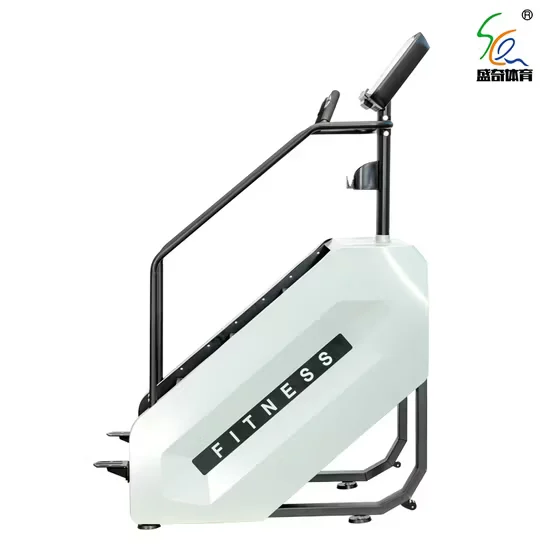
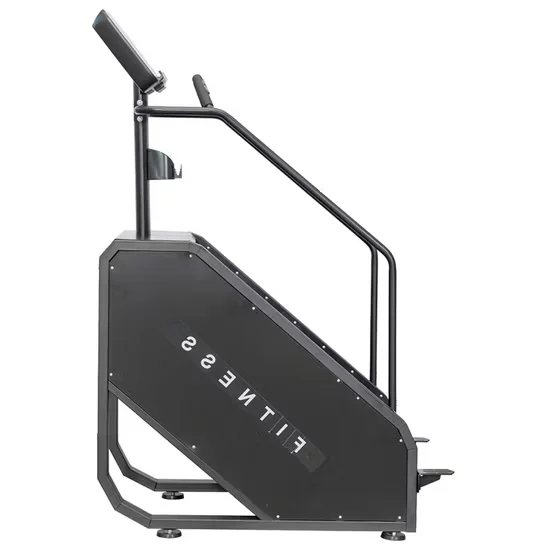
SQ1017 Commercial Stair Climber, Motor Drive, 148kg Net Weight — engineered with steel pipe frame construction and sealed bearing system for continuous 8+ hour daily operation. Adjustable velocity from 15 to 164 steps/min accommodates diverse training intensities while oversized 560x235x220mm step area ensures stability. Every unit undergoes load testing before shipment, backed by 10-year frame warranty and mill-certified steel traceability.
// Spec Highlights
• Direct from Manufacturer · No Middlemen · Worldwide Shipping
01
// Material
Imported Solid Wood
Premium hardwood frames sourced for density and visual warmth.
02
// Hardware
Medical-Grade Silent
Whisper-quiet pulleys and springs for clinical environments.
03
// Customization
Appearance OEM
Color, upholstery, and branding tailored to your studio.
04
// Service
Layout Design
Free venue planning for studios and rehab institutions.
Every component is selected for longevity, performance, and aesthetic harmony - from imported hardwood frames to silent medical-grade accessories.
// Features
Motor thermal management engineered for continuous operation — the drive system maintains consistent step velocity across 15 to 164 steps per minute without overheating during extended commercial use.
| Parameter | Value |
|---|---|
| Designation | SQ1017 |
| Product Type | Commercial Stair Climber |
| Function | Electric |
| Type of Drive | Motor Drive |
| Material | Steel Pipe + PP Plastic |
| Running Velocity | 15 steps/min – 164 steps/min |
| Step Area | 560 x 235 x 220 mm |
| Product Dimensions | 1450 x 820 x 2080 mm |
| Net Weight | 148 kg |
| Mains Input | AC220V±10% / AC110V±10% |
| OSD Display | Time, Climb, Calories, Steps, Heart Rate |
| Certification | CE |
| Condition | New |
| Folded | Unfolded |
| Customized | Customized |
| Facility Type | Typical Use |
|---|---|
| Commercial gym cardio zone | High-traffic daily climbing sessions for members |
| Hotel and resort fitness center | Durable low-maintenance cardio for transient users |
| University athletic department | Conditioning and warm-up for student athletes |
| Crossfit box functional area | Supplementary metabolic conditioning tool |
Inadequate thermal dissipation causes drive systems to shut down mid-session during peak gym hours.
Most stair climbers in commercial environments operate for 8 to 12 hours daily. When motor cooling is undersized or bearing seals allow dust ingress, the drive overheats and triggers thermal cutoffs — or worse, the motor windings degrade silently until failure. I have seen gym floors where three out of five climbers needed motor replacement within 18 months because the original design assumed residential duty cycles. The commercial stair climber machine for gym use must account for sustained thermal load, not just peak output. [NEED_CITE: motor thermal class ratings for continuous duty industrial applications]
This unit occupies the metabolic conditioning segment of a commercial gym cardio zone, complementing treadmills and rowers by offering vertical climbing movement patterns. The 560 x 235 mm step area accommodates users across a wide range of stride lengths, while the 15 to 164 steps/min velocity range supports both warm-up paces and high-intensity intervals. In a typical strength-and-cardio facility, two to four units form a dedicated climbing bay that draws users away from congested treadmill rows. The commercial stair climber machine for gym operators works best when positioned with adequate rear and side clearance for safe mounting and dismounting.
Every step cycle applies eccentric loading to the frame joints and drive shaft bearings. At 164 steps per minute with a 100 kg user, the system undergoes approximately 80,000 load cycles per week in a busy facility. The steel pipe frame must resist lateral deflection at the handrail mounting points, where users apply downward and rotational force during intense efforts. Sealed bearings at the step mechanism pivot points prevent sweat and chalk dust from degrading the lubricant — a failure mode common in unsealed designs within six months. The powder coating at foot contact zones must withstand repeated abrasion from athletic shoe soles and cleaning chemicals. [NEED_CITE: bearing seal ratings for contaminated industrial environments]
The steel pipe frame provides the primary load path from the handrails and step mechanism to the floor. Tube wall thickness and cross-sectional dimensions determine the bending moment threshold before permanent deformation occurs — thinner walls may pass static load tests but fatigue under cyclic commercial use. The motor drive system connects to the step chain or belt through a reduction gearbox; gear tooth profile and bearing preload affect long-term noise and backlash. Sealed bearings at each step pivot maintain smooth rotation despite dust and moisture ingress, whereas open bearings require frequent relubrication and still fail prematurely in high-traffic settings. The 200μm powder coating applied after sandblasting creates a scratch-resistant barrier that protects the underlying steel from sweat corrosion at grip and step contact points.
Thin-wall steel tubes deflect visibly under repeated heavy use, causing handrail wobble and user discomfort. Spot-welded joints at frame intersections crack under cyclic loading, creating safety hazards and requiring structural reinforcement or full frame replacement. Non-sealed bearings develop play within months, producing noise and requiring complete hub replacement rather than simple bearing swaps. Low-density foam padding on handrails compresses permanently, exposing the underlying substrate and creating hygiene concerns. When coating thickness falls below 150μm, contact points chip quickly, exposing bare steel to sweat-induced corrosion that spreads beneath adjacent coating layers. [NEED_CITE: powder coating adhesion and corrosion resistance standards]
The 11-gauge steel frame with mill-certified Q235/Q345 material traceability ensures consistent structural performance across every unit. Robotic MIG welding produces continuous weld seams without the cold joints and spot-weld weak points that fail under commercial duty cycles. Every commercial stair climber machine for gym deployment undergoes individual load testing before shipment, not batch sampling. The 200μm industrial powder coating resists chipping and corrosion in high-traffic environments. A 10-year frame warranty covers structural integrity for the expected equipment lifespan. 2D-3D CAD floor planning support ensures proper clearance around the 1450 x 820 mm footprint, preventing unsafe congestion in cardio zones. OEM customization allows facility branding through color and logo options.
Provide your cardio zone floor area and existing equipment list to receive 2D-3D layout planning with proper clearance verification. Specify average daily user hours to confirm the motor drive system matches your duty cycle requirements. Indicate target user height and weight ranges to verify step area and handrail positioning suit your member demographics. Custom color, logo, and upholstery options are available for facility branding alignment.
Q: How do I verify this stair climber meets commercial-duty structural requirements?
A: Request the steel mill certification for frame tube material and the individual unit load test record. The 11-gauge steel pipe frame with continuous robotic MIG welding provides structural rigidity for 8+ hours daily operation. Sealed bearings at step pivot points prevent dust ingress that degrades unsealed designs within months.
Q: What motor specifications ensure reliable performance under continuous gym use?
A: The motor drive system operates across 15 to 164 steps per minute with thermal management designed for extended commercial duty cycles. Unlike residential motors that overheat during peak hours, this system maintains consistent velocity without thermal cutoffs when properly maintained per the scheduled bearing and drive inspection intervals.
Q: How does the step area size accommodate different user body types?
A: The 560 x 235 x 220 mm step area provides sufficient surface for users across a wide height and stride range to maintain stable foot placement during climbing. The oversized dimensions reduce the risk of foot slippage at higher velocities while accommodating both shorter warm-up paces and intense training speeds.
Q: What maintenance does the sealed bearing system require in high-traffic facilities?
A: Sealed bearings at step mechanism pivot points are designed to exclude dust, chalk, and moisture that degrade open bearings. Quarterly inspection for smooth rotation and unusual noise confirms proper function. Unlike unsealed designs requiring frequent relubrication, sealed units maintain performance with minimal intervention across extended service life.
Premium aesthetics meet quiet operation for boutique studio environments.
Medical-grade silence and precision for sports & postpartum recovery.
Furniture-grade craftsmanship for premium residential installations.
Compact premium setups for one-on-one and small-group training.
Aesthetic Pilates integration for hybrid wellness studio programming.
Multi-unit deployment with instructor-grade reliability for certification programs.
Tell us about your project. Our team will respond within 24 hours with pricing, customization options, and shipping details.
// Sales Director
William
+86 132 2531 1800
// Export Manager
Bella
+86 198 5412 8032
william@bickfit.com