01 / Scenario
STUDIO
P
High-End Pilates Studios
Premium aesthetics meet quiet operation for boutique studio environments.
ISO
9001
CE
Certified
OEM
Available
10YR
Warranty
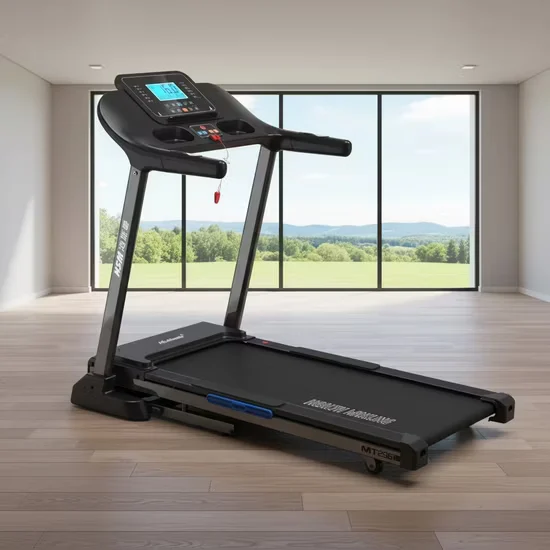
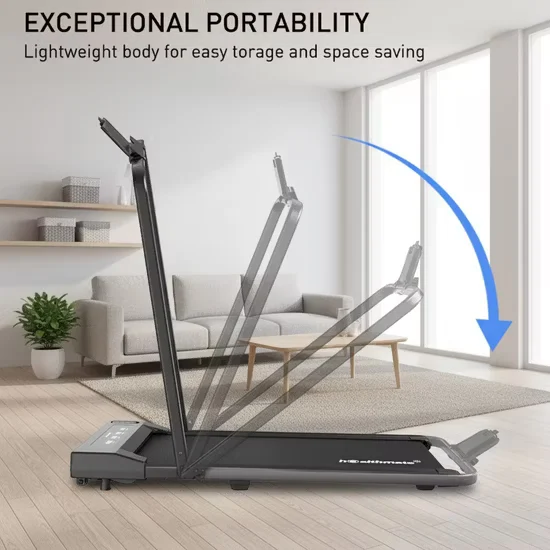
Foldable Walking Treadmill, 1-12 km/h Speed Range, 1000×400mm Runway — engineered for compact home cardio with a stable handlebar frame and LED display tracking speed, distance, time, and calories. The 6-program console and foldable design deliver versatile walking or jogging sessions in limited spaces. CE and RoHS certified for safe residential use. Every unit undergoes dynamic stability and motor noise testing before dispatch.
// Spec Highlights
• Direct from Manufacturer · No Middlemen · Worldwide Shipping
01
// Material
Imported Solid Wood
Premium hardwood frames sourced for density and visual warmth.
02
// Hardware
Medical-Grade Silent
Whisper-quiet pulleys and springs for clinical environments.
03
// Customization
Appearance OEM
Color, upholstery, and branding tailored to your studio.
04
// Service
Layout Design
Free venue planning for studios and rehab institutions.
Every component is selected for longevity, performance, and aesthetic harmony - from imported hardwood frames to silent medical-grade accessories.
// Features
Structural Integrity Over Folding Convenience — Every hinge point on this foldable home walking treadmill with handle is reinforced to resist repetitive impact loosening, addressing the most common failure mode in compact cardio equipment.
| Parameter | Value |
|---|---|
| Product Type | Folding Walking Treadmill |
| Model NO. | W04D8H |
| Maximum Speed | <15 km/h |
| Speed Range | 1-12 km/h |
| Runway Size | 1000×400mm |
| Product Dimensions | 1250×590×1080mm |
| LED Screen | Speed/Dist./Time/Cal. |
| Programs | 6 preset programs |
| Certification | CE, RoHS |
| Condition | New |
| Production Capacity | 3000 units/month |
| Facility Type | Typical Use |
|---|---|
| Residential fitness corners | Daily walking and light jogging routines |
| Small apartment spaces | Space-efficient cardio when floor area is limited |
| Home office break areas | Short movement sessions between work blocks |
| Boutique studio recovery zones | Low-intensity warm-up or cool-down use |
A foldable home walking treadmill with handle must balance portability with structural rigidity under repetitive footstrike loading.
Most compact treadmills prioritize foldability at the expense of deck stability. The folding hinge mechanism — typically the highest-stress joint — develops play within months of daily use, causing the running surface to shift laterally during stride. This is especially problematic when users exceed the intended speed range or when the unit is placed on uneven flooring. The handlebar assembly, if not integrated into the main frame structure, compounds this issue by introducing flex points that amplify vibration rather than dampen it. [NEED_CITE: fatigue failure mechanisms in hinged steel structures under cyclic loading]
This foldable home walking treadmill with handle occupies the entry-level cardio tier for residential environments where dedicated gym space is unavailable. The 1000×400mm running surface accommodates walking gaits and light jogging for users of average stride length, while the 1-12 km/h speed range covers rehabilitation walking through moderate aerobic conditioning. In facility planning terms, it serves as a supplementary movement option rather than a primary cardio workstation — suitable for 1-2 hours of daily residential use rather than continuous commercial operation.
Every footstrike on a treadmill deck generates impact forces that propagate through the frame, hinges, and motor mounting points. On a folding unit, these forces concentrate at the hinge pins and latch mechanisms — areas that experience both shear and torsional loading with each stride cycle. The welded joints connecting the handlebar to the main frame must resist fatigue cracking from constant vibration, while the deck support slats must maintain rigidity without excessive deflection under the user’s full body weight. Non-sealed bearing points in the roller system accumulate dust and debris over time, increasing friction and accelerating wear on the drive belt and motor brushes. [NEED_CITE: bearing contamination and wear progression in enclosed mechanical systems]
The 1000×400mm running surface represents the minimum viable dimensions for comfortable walking mechanics — shorter decks force stride truncation, while narrower surfaces increase lateral instability during foot plant. The 1-12 km/h speed range is calibrated for walking through light jogging, with the motor duty cycle matched to intermittent rather than continuous operation. The 6-program console provides preset workout variations that adjust speed incrementally, reducing the need for manual intervention during exercise. The CE and RoHS certifications confirm compliance with European safety and environmental standards for electrical equipment, though they do not specify structural load testing protocols.
Manufacturers targeting entry-level price points often reduce frame tube thickness below optimal thresholds, resulting in visible deck deflection under heavier users. The folding hinge, if machined from low-grade steel or assembled with undersized pins, develops audible play and visible wobble within the first year of regular use. Powder coating applied without proper surface preparation chips at contact points — particularly around the handlebar grips and fold latches — exposing bare steel to sweat corrosion. Replacement parts for proprietary hinge mechanisms are rarely available after warranty expiration, rendering the entire unit disposable rather than serviceable. [NEED_CITE: corrosion initiation at coating defects in humid environments]
BICKFIT approaches cardio equipment with the same structural discipline applied to commercial strength machines. The foldable home walking treadmill with handle undergoes the same three-stage inspection protocol as our plate-loaded and selectorized lines, with load testing performed on every unit rather than sampled from production batches. While this unit is designed for residential rather than commercial duty cycles, the manufacturing heritage ensures that weld quality, bearing selection, and coating thickness meet industrial standards rather than consumer-grade compromises. For operators outfitting hotel fitness centers or residential amenity spaces, we provide 2D-3D layout planning to ensure proper equipment spacing and traffic flow — even for compact cardio units that might otherwise be placed without consideration for safety clearances.
Provide your available floor dimensions and intended equipment list to receive a 2D-3D space planning package that optimizes traffic flow and safety clearances. Specify your expected daily usage hours and user weight range so we can confirm whether residential-duty equipment meets your operational requirements or if commercial-grade alternatives are more appropriate. Custom color and branding options are available for multi-unit deployments across hospitality or residential portfolios.
Q: What distinguishes a folding home treadmill from commercial-grade equipment?
A: Commercial treadmills feature heavier gauge steel frames, larger running surfaces typically exceeding 1400×500mm, and motors rated for continuous 8+ hour daily operation. Folding home models prioritize space efficiency and lower weight, with duty cycles designed for 1-2 hours of intermittent residential use rather than constant commercial traffic.
Q: Can a foldable home walking treadmill with handle support long-term daily use?
A: Yes, within its designed duty cycle. Residential folding treadmills are engineered for 1-2 hours of daily operation. Exceeding this through multi-shift commercial use accelerates wear on the hinge mechanism, drive belt, and motor components, potentially voiding warranty coverage and shortening service life.
Q: How does running surface size affect workout comfort and safety?
A: The 1000×400mm deck accommodates natural walking stride lengths for most adults. Users with longer strides may experience edge-of-deck foot placement during jogging, increasing lateral instability risk. Wider surfaces above 450mm provide greater margin for foot placement variation during fatigue.
Q: What maintenance tasks extend the service life of a folding treadmill?
A: Regular deck lubrication reduces belt friction and motor strain. Monthly inspection of folding hinge pins and latch mechanisms catches play before it progresses to structural damage. Keeping the running surface clean prevents debris accumulation that accelerates belt and roller wear. Annual drive belt tension checks maintain optimal power transmission efficiency.
Premium aesthetics meet quiet operation for boutique studio environments.
Medical-grade silence and precision for sports & postpartum recovery.
Furniture-grade craftsmanship for premium residential installations.
Compact premium setups for one-on-one and small-group training.
Aesthetic Pilates integration for hybrid wellness studio programming.
Multi-unit deployment with instructor-grade reliability for certification programs.
Tell us about your project. Our team will respond within 24 hours with pricing, customization options, and shipping details.
// Sales Director
William
+86 132 2531 1800
// Export Manager
Bella
+86 198 5412 8032
william@bickfit.com