01 / Scenario
STUDIO
P
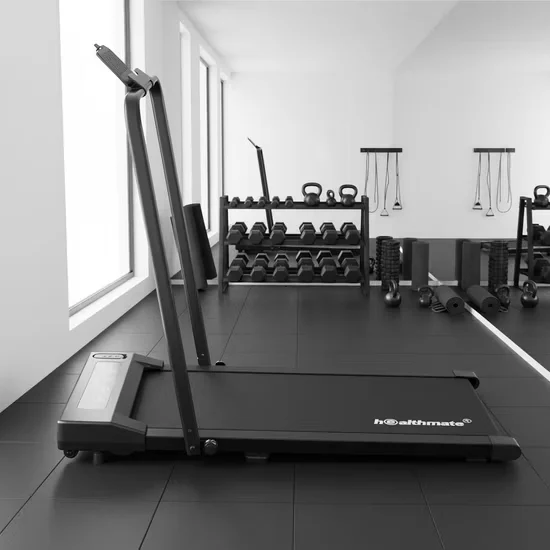
High-End Pilates Studios
Premium aesthetics meet quiet operation for boutique studio environments.
ISO
9001
CE
Certified
OEM
Available
10YR
Warranty
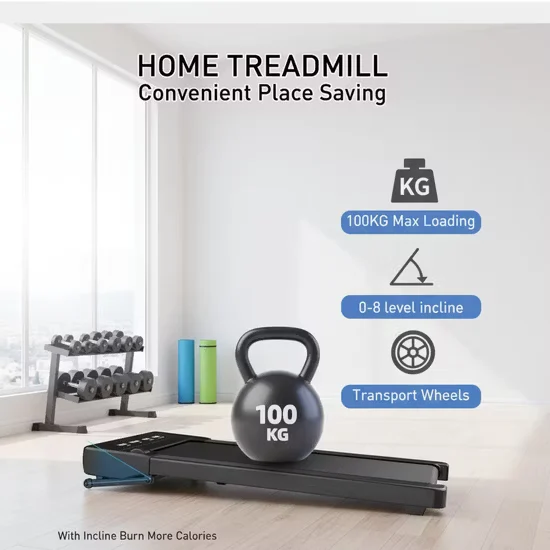
Walking Treadmill, 1000x400mm Runway, <15 km/h Max Speed — engineered with a 100-160kg unit mass for stable walking gait performance and integrated transport wheels for effortless floor repositioning. The LED console displays speed, distance, time, and calories across 6 preset programs, housed in a compact 1250x520x125mm footprint ideal for space-limited facilities. Every unit undergoes load testing before shipment to ensure structural integrity under daily commercial use.
// Spec Highlights
• Direct from Manufacturer · No Middlemen · Worldwide Shipping
01
// Material
Imported Solid Wood
Premium hardwood frames sourced for density and visual warmth.
02
// Hardware
Medical-Grade Silent
Whisper-quiet pulleys and springs for clinical environments.
03
// Customization
Appearance OEM
Color, upholstery, and branding tailored to your studio.
04
// Service
Layout Design
Free venue planning for studios and rehab institutions.
Every component is selected for longevity, performance, and aesthetic harmony - from imported hardwood frames to silent medical-grade accessories.
// Features
Continuous MIG welds eliminate spot-weld fatigue — robotic welding on this motorized walking treadmill ensures no cold joints along the base frame, maintaining structural integrity during prolonged daily operation.
| Parameter | Value |
|---|---|
| Product Type | Walking Treadmill |
| Product Dimensions | 1250 × 520 × 125 mm |
| Runway Size | 1000 × 400 mm |
| Net Weight | 100–160 kg |
| Maximum Speed | <15 km/h |
| Operating Speed | 1–6 km/h |
| Motor Type | Motorized |
| Console Display | LED (Speed / Distance / Time / Calories) |
| Pre-set Programs | 6 |
| Folding Mechanism | Non-foldable |
| Transport Wheels | Integrated |
| Certification | CE, RoHS |
| HS Code | 9506911100 |
| Facility Type | Typical Use |
|---|---|
| Home fitness rooms | Daily walking cardio in space-limited layouts |
| Hotel fitness centers | Relocatable units for seasonal floor reconfiguration |
| Rehabilitation clinics | Low-speed, controlled gait training |
| Light commercial gyms | Supplementary warm-up or cool-down station |
Frame mass and motor enclosure geometry dictate whether a motorized walking treadmill survives continuous daily use or develops vibration-induced drift within months.
Many walking treadmills on the market quote vague "commercial-grade" frames without disclosing steel gauge or tube dimensions. A unit weighing 100–160 kg with a 1000 × 400 mm runway must carry enough counterbalance to prevent belt drift at walking speeds—yet some manufacturers cut weight by thinning the base rails, which introduces harmonic vibration under sustained motor load. The result is uneven belt tracking, premature roller wear, and user discomfort. [NEED_CITE: vibration tolerance thresholds for motorized fitness equipment under continuous duty]
This motorized walking treadmill occupies the low-impact, controlled-speed segment of a mixed-use fitness floor. Its 1–6 km/h operating range targets warm-up protocols, active recovery circuits, and rehabilitation gait work rather than high-intensity running. The 1250 × 520 mm footprint allows placement between strength stations without obstructing traffic flow. In hotel and rehabilitation settings, integrated transport wheels allow staff to reposition the unit without disassembly, keeping layout changes efficient.
Walking generates a repetitive, low-impact loading pattern that concentrates stress along the base frame rails and motor mount points. Unlike running treadmills that absorb high-force foot strikes, a walking treadmill sustains constant motor torque at lower speeds, which produces sustained thermal load inside the motor enclosure. Over thousands of daily cycles, inadequate ventilation leads to thermal degradation of motor windings. The belt-to-deck interface also experiences continuous friction; without a replaceable belt design, operators face full-unit downtime when wear appears. [NEED_CITE: thermal endurance ratings for small motor enclosures in fitness equipment]
The 100–160 kg unit mass directly correlates to base frame rigidity—heavier units resist lateral shift during walking gait cycles. The 1000 × 400 mm runway sits within a compact 1250 × 520 mm envelope, meaning the frame rails must carry the motor, deck, and user load within a narrow footprint. Non-foldable construction eliminates hinge weak points that plague folding treadmills under commercial frequency. The 6-program LED console operates in environments with elevated humidity from sweat and cleaning agents; console seal integrity determines whether electronics survive beyond the first year. Transport wheel mounts must reinforce the base frame rather than create stress concentration points where the wheel axle passes through the rail.
Manufacturers who reduce unit weight below the 100 kg threshold often thin the base rails or switch from steel tube to stamped sheet metal. Under daily walking use, thin rails develop micro-deflection that transfers vibration to the console mount, loosening fasteners over time. Non-sealed motor enclosures allow dust and moisture ingress, shortening brush and winding life. When transport wheels are surface-bolted rather than structurally integrated, repeated rolling creates play at the mount points, compromising the frame’s lateral stability. Replacement belt availability becomes critical—units with proprietary, non-standard belt sizes force full machine retirement when the belt wears. [NEED_CITE: fastener loosening under vibration in fitness equipment assemblies]
The motorized walking treadmill is engineered with a non-foldable base frame that eliminates hinge-related structural compromise. Integrated transport wheels are mounted through reinforced frame junctions, preserving rigidity during relocation. The 1250 × 520 mm footprint supports 2D-3D CAD floor planning with clear safety spacing between adjacent stations. The LED console and motor controller are covered under parts availability commitments, ensuring replaceable electronics beyond the initial purchase. Facility planners receive layout documentation showing required clearance zones for this motorized walking treadmill to prevent trip hazards in mixed-use cardio areas.
Provide your cardio floor area and target daily user volume to receive a 2D-3D layout showing where this motorized walking treadmill fits within your equipment plan. Specify your preferred console language, belt width, and frame color options for facility branding alignment. Indicate whether the unit will serve rehabilitation, hotel, or light commercial use so that motor duty rating and belt specification can be matched to your operational profile.
Q: How does the non-foldable frame benefit a light commercial environment?
A: Non-foldable construction removes the hinge mechanism that accumulates play under repeated folding cycles. In a light commercial gym or hotel fitness center where equipment is moved or adjusted seasonally, a rigid base frame maintains belt alignment and console stability without requiring periodic hinge recalibration. The trade-off is a fixed footprint, which the 1250 × 520 mm dimensions keep compact enough for most cardio zones.
Q: What motor duty considerations apply to 4+ hours of daily walking use?
A: Continuous motor duty rating matters more than peak horsepower for walking treadmills. A motor enclosure designed for sustained low-speed torque with adequate ventilation prevents thermal buildup during extended daily operation. Operators should verify that the motor controller and brush assembly are user-replaceable, since thermal degradation is the primary failure mode under continuous walking use rather than mechanical overload.
Q: How do the transport wheels affect frame stability during use?
A: Transport wheels on this motorized walking treadmill mount through reinforced frame junctions rather than bolt-on brackets. When wheels are locked before operation, the base frame maintains full contact with the floor, preventing lateral drift during walking gait cycles. Surface-mounted wheels on lighter units create flex points that compromise stability over time, which is why integrated mounting through the base rail structure is necessary for commercial-frequency use.
Q: What maintenance intervals apply to the belt and deck system?
A: Belt tension should be checked monthly under daily commercial use, with deck lubrication applied per manufacturer schedule. The 1000 × 400 mm running surface experiences continuous friction at walking speeds; a replaceable belt extends service life beyond the initial installation. Console electronics and motor brushes should be inspected quarterly, with replacement parts availability confirmed before purchase to avoid full-unit retirement when components wear.
Premium aesthetics meet quiet operation for boutique studio environments.
Medical-grade silence and precision for sports & postpartum recovery.
Furniture-grade craftsmanship for premium residential installations.
Compact premium setups for one-on-one and small-group training.
Aesthetic Pilates integration for hybrid wellness studio programming.
Multi-unit deployment with instructor-grade reliability for certification programs.
Tell us about your project. Our team will respond within 24 hours with pricing, customization options, and shipping details.
// Sales Director
William
+86 132 2531 1800
// Export Manager
Bella
+86 198 5412 8032
william@bickfit.com