01 / Scenario
STUDIO
P
High-End Pilates Studios
Premium aesthetics meet quiet operation for boutique studio environments.

ISO
9001
CE
Certified
OEM
Available
10YR
Warranty
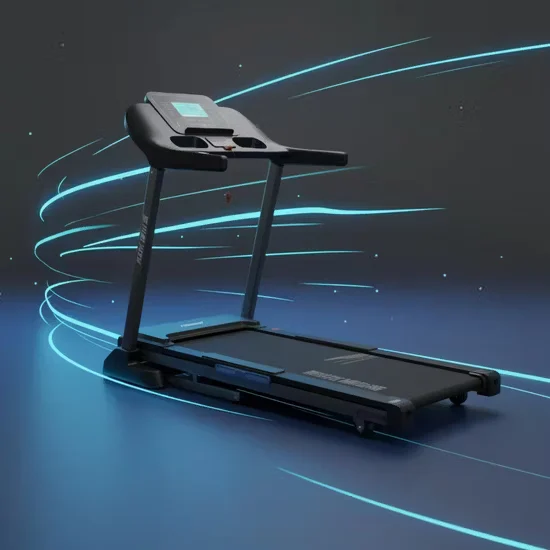
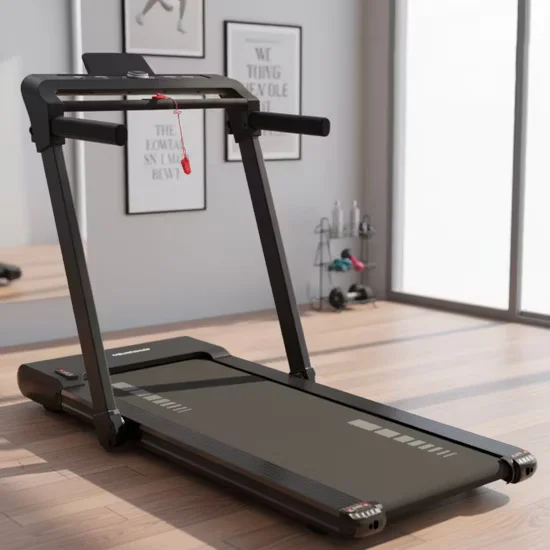
Electric Folding Treadmill, 1.5HP Motor, 1200×450mm Running Surface — engineered with shock-damping frame structure to minimize deck vibration and reduce joint impact during continuous cardio sessions. The folding mechanism features reinforced hinge points and locking pins designed for repeated daily use in space-constrained environments. CE and RoHS certified, with full OEM/ODM customization available for commercial operators requiring compact, high-traffic cardio solutions.
// Spec Highlights
• Direct from Manufacturer · No Middlemen · Worldwide Shipping
01
// Material
Imported Solid Wood
Premium hardwood frames sourced for density and visual warmth.
02
// Hardware
Medical-Grade Silent
Whisper-quiet pulleys and springs for clinical environments.
03
// Customization
Appearance OEM
Color, upholstery, and branding tailored to your studio.
04
// Service
Layout Design
Free venue planning for studios and rehab institutions.
Every component is selected for longevity, performance, and aesthetic harmony - from imported hardwood frames to silent medical-grade accessories.
// Features
Engineered for Daily Commercial Traffic — The shock-damping deck structure and reinforced steel frame maintain alignment under repeated footstrike loading, reducing motor strain and deck flex across extended operating cycles.
| Parameter | Value |
|---|---|
| Product Type | Electric Folding Treadmill |
| Motor Power | 1.5HP |
| Speed Range | 1–16 km/h |
| Maximum Speed | 15–22 km/h |
| Running Surface | 1200 × 450 mm |
| Programs | 16 preset programs |
| Console Display | LCD — Speed / Distance / Time / Calories |
| Unfolded Dimensions | 1500 × 740 × 1150 mm |
| Folded Dimensions | 1810 × 740 × 220 mm |
| Net Weight / Gross Weight | 42.0 kg / 47.0 kg |
| Frame Material | ABS housing with steel internal structure |
| Folding Mechanism | Hydraulic-assisted hinge with locking pin |
| Certification | CE, RoHS |
| Customization | OEM / ODM available |
| Facility Type | Typical Use |
|---|---|
| Commercial gym cardio zone | Space-efficient cardio station for high-turnover member traffic |
| Hotel and resort fitness center | Compact folding storage for limited back-of-house areas |
| Apartment and residential gym | Shared-use cardio equipment with fold-away capability |
| Wellness center | Low-impact cardiovascular conditioning station |
Many folding treadmills sacrifice frame rigidity to achieve a compact folded profile — the result is deck deflection under footstrike, motor overload from inconsistent belt resistance, and premature bearing wear. The electric folding treadmill commercial gym operators specify must balance foldability with structural stiffness at every hinge point.
In high-traffic environments, a treadmill deck that flexes beyond design tolerance transfers uneven load to the motor drivetrain and accelerates belt degradation. Folding hinge points become stress concentration zones where repeated deployment cycles can loosen pivot hardware if locking pins are undersized. The shock-damping system in this unit is integrated into the deck mounting rather than layered as an afterthought pad, maintaining consistent energy absorption without compromising frame alignment [NEED_CITE: structural damping principles in reciprocating fitness equipment].
This electric folding treadmill commercial gym configuration occupies a 1500 × 740 mm footprint during use and collapses to 220 mm depth for storage, making it suitable for cardio zones where square meter allocation per station is limited. It serves the steady-state and interval cardiovascular demand across a range of user fitness levels. In a mixed cardio floor plan, it pairs with self-powered air bikes and rowers to distribute impact-loading equipment across the zone. The 1200 × 450 mm running surface accommodates stride lengths for users across a broad height range, while the 16-program console supports varied workout protocols without requiring external device pairing.
Folding treadmills face a dual stress profile: continuous dynamic loading during operation and intermittent mechanical cycling at hinge points during fold and unfold sequences. The hydraulic-assisted hinge and locking pin assembly must resist shear forces each time the deck is raised or lowered — a fatigue cycle that non-folding units never encounter. Motor thermal management becomes critical when the 1.5HP drivetrain operates near its duty cycle limit in facilities running extended peak hours. Belt tension and deck coating wear accelerate under high footstrike frequency, and the shock-damping mounting system must retain its compression characteristics without bottoming out. The ABS housing and powder-coated steel interior resist sweat corrosion and cleaning chemical exposure typical of commercial maintenance routines [NEED_CITE: fatigue classification of mechanical hinge joints under cyclic loading].
The 1.5HP motor rating determines the continuous duty threshold — undersized motors overheat and trigger thermal cutoffs during sustained commercial use, while properly matched motors maintain consistent belt speed under varying user weights. The 1200 × 450 mm running surface provides lateral margin that prevents users from drifting onto the belt edge, reducing uneven wear and extending belt service intervals. The hydraulic folding mechanism replaces gas-spring assist in many competitor units, offering more predictable resistance across temperature ranges and reducing the risk of sudden deployment failure. The LCD console integrates speed, distance, time, and calorie tracking through direct sensor input rather than estimated calculations, providing operators with reliable usage data for maintenance scheduling. The 16 preset programs allow facility managers to set varied workout profiles without requiring member app integration, reducing console complexity and potential failure points.
Gas-spring assisted folding systems degrade over time as seals lose pressure, leading to uncontrolled deck drops that damage the hinge housing and create user safety hazards. Thin-wall steel frames chosen to reduce overall unit weight deflect under heavier users, causing belt misalignment and accelerated motor bearing wear. Non-sealed motor bearings accumulate dust and debris from gym floor environments, increasing friction and triggering premature thermal shutdown. Absent or inadequate deck coating allows the running board to absorb moisture and warp, creating uneven belt tracking that shortens both belt and motor life. When hinge pivot bolts are specified to consumer-grade torque ratings rather than commercial standards, repeated folding cycles loosen the assembly and introduce play that translates into audible vibration during use [NEED_CITE: mechanical fastener torque specifications for cyclic loading applications].
The shock-damping deck structure is engineered to maintain consistent energy absorption across the product service life, protecting both user joints and the motor drivetrain from impact-induced stress. Every unit undergoes load testing before shipment, verifying that the folding hinge, locking pin, and frame assembly perform within specification under operational weight. The CE and RoHS certifications confirm compliance with European safety and environmental standards required by institutional procurement policies. OEM and ODM customization allows operators to match console branding, housing color, and upholstery to existing facility design standards. The compact folded profile at 1810 × 740 × 220 mm enables efficient storage during facility renovation or seasonal cardio zone reconfiguration, and 2D-3D floor planning support ensures correct safety clearance spacing between adjacent stations.
Provide your cardio zone floor dimensions and current equipment list to receive a 2D-3D layout plan showing treadmill placement with correct safety clearance spacing. Specify your average daily user volume so the structural duty cycle rating can be matched to your operational intensity. Indicate your target user height and weight range to confirm running surface and motor capacity alignment. Customization requests for housing color, console branding, or upholstery selection can be included in the specification sheet.
Q: How should motor power be evaluated for commercial gym treadmill requirements?
A: Motor power must be matched to expected daily operating hours and maximum user weight. A 1.5HP motor suits facilities with moderate daily traffic where continuous run times stay within the motor thermal duty cycle. Facilities operating beyond eight hours daily with heavy users should verify the motor thermal protection rating and consider whether the duty cycle supports sustained load without triggering automatic shutdown.
Q: What frame and hinge specifications indicate commercial durability in a folding treadmill?
A: Commercial-grade folding treadmills use hydraulic-assisted hinge mechanisms rather than gas springs, providing consistent resistance across temperature ranges and longer seal life. Locking pins must be sized to resist shear forces from repeated deployment cycles. The internal frame structure should use steel with verified material certification rather than unspecified commercial-grade claims, and hinge pivot bolts should meet industrial torque specifications.
Q: What maintenance intervals apply to the folding mechanism and hinge assembly?
A: The hydraulic hinge and locking pin should be inspected quarterly for fluid integrity and pivot play. Pivot bolts require torque verification at six-month intervals under commercial use conditions. Any audible clicking or resistance inconsistency during folding indicates seal degradation requiring immediate attention to prevent uncontrolled deck movement and potential user injury.
Q: How often do the running belt and deck require replacement under commercial traffic?
A: Belt and deck wear depends on daily user volume, average user weight, and maintenance frequency. Under typical commercial conditions, belt inspection should occur at 1000-hour intervals with replacement before edge fraying reaches the tracking boundary. Deck coating degradation and running board warping accelerate belt wear, so deck condition should be assessed simultaneously during belt service intervals.
Q: What spatial clearance is needed for safe treadmill placement in a commercial cardio zone?
A: The unfolded footprint measures 1500 × 740 × 1150 mm. Minimum rear clearance of 500 mm is required for user dismount safety and motor ventilation. Side clearance of 200 mm allows maintenance access and prevents adjacent equipment interference. The folded profile of 1810 × 740 × 220 mm enables wall-adjacent storage when the cardio zone requires temporary floor space reallocation.
Premium aesthetics meet quiet operation for boutique studio environments.
Medical-grade silence and precision for sports & postpartum recovery.
Furniture-grade craftsmanship for premium residential installations.
Compact premium setups for one-on-one and small-group training.
Aesthetic Pilates integration for hybrid wellness studio programming.
Multi-unit deployment with instructor-grade reliability for certification programs.
Tell us about your project. Our team will respond within 24 hours with pricing, customization options, and shipping details.
// Sales Director
William
+86 132 2531 1800
// Export Manager
Bella
+86 198 5412 8032
william@bickfit.com