01 / Scenario
STUDIO
P
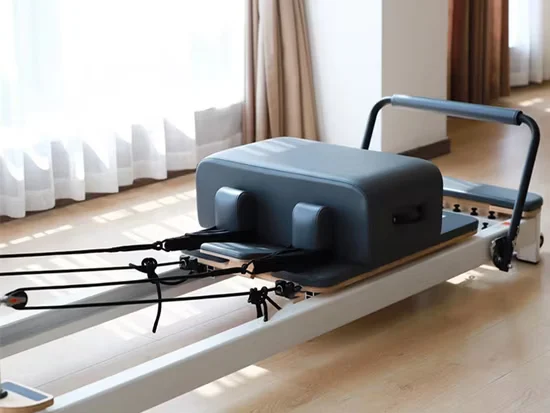
High-End Pilates Studios
Premium aesthetics meet quiet operation for boutique studio environments.
ISO
9001
CE
Certified
OEM
Available
10YR
Warranty
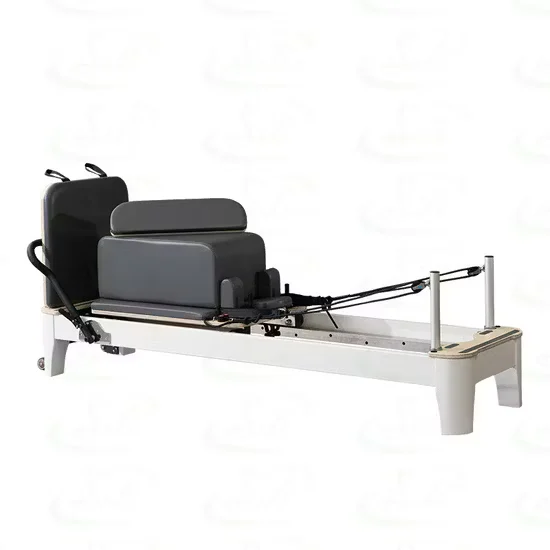
White Wood Pilates Reformer, Solid Wood Frame, 2460×730×680mm — engineered with solid wood construction to resist warping under cyclic spring tension, paired with a 100kg net weight for stable studio performance. Includes long box, jump board, and platform for full-range movement patterns, with customizable logo options and a 3-year warranty. Backed by 32-point inspection and 100% load testing before shipment.
// Spec Highlights
• Direct from Manufacturer · No Middlemen · Worldwide Shipping
01
// Material
Imported Solid Wood
Premium hardwood frames sourced for density and visual warmth.
02
// Hardware
Medical-Grade Silent
Whisper-quiet pulleys and springs for clinical environments.
03
// Customization
Appearance OEM
Color, upholstery, and branding tailored to your studio.
04
// Service
Layout Design
Free venue planning for studios and rehab institutions.
Every component is selected for longevity, performance, and aesthetic harmony - from imported hardwood frames to silent medical-grade accessories.
// Features
Traceable Solid Wood Frame — every White Wood Pilates Reformer we ship uses mill-documented lumber with moisture content controlled for the destination climate.
| Parameter | Value |
|---|---|
| Product Type | Pilates Reformer |
| Frame Material | Solid Wood |
| Frame Finish | Solid Color (White) |
| Product Dimensions | 2460 × 730 × 680 mm |
| Net Weight | 100 kg |
| Carriage System | Rail-mounted with sealed bearings |
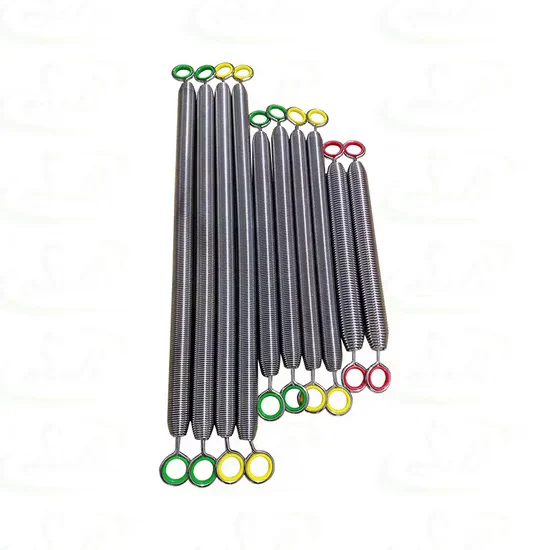
| Spring Resistance | Multiple progressive tension levels |
| Included Accessories | Long Box, Jump Board, Platform |
| Upholstery Options | Standard or high-density options |
| Customization | Logo and finish customization available |
| Certification | CE |
| Warranty | 3 Years |
| Facility Type | Typical Use |
|---|---|
| Pilates Studio | Core daily reformer sessions with accessory changeovers |
| Boutique Fitness Studio | Small-group reformer classes in limited floor layouts |
| Rehabilitation Center | Controlled spring-resistance protocols for physiotherapy |
| Hotel Wellness Facility | Guest-access reformer sessions with minimal orientation needed |
| Home Studio | Compact footprint with full accessory set for varied routines |
Solid wood maintains carriage alignment where laminated alternatives fail under cyclic spring tension.
The commercial wood pilates reformer market is crowded with units marketed as "studio grade" that use laminated plywood frames. In humid environments — particularly across Southeast Asian and coastal installations — these laminated frames begin to delaminate at the joint lines within months of daily use. The carriage rail, bonded to a frame that is subtly warping, develops lateral play that transfers into uneven wheel wear and a rougher glide. We have seen entire container loads returned because the spec sheet said "wood frame" without specifying solid construction [NEED_CITE: EN 957 structural requirements for stationary training equipment]. The difference shows up in the rail straightness tolerance after the first year of studio traffic.
A commercial wood pilates reformer occupies a distinct role in studio floor planning: it anchors the apparatus-based session and typically pairs with Cadillac towers, Wunda chairs, and spine correctors to cover the full Pilates method progression. The 2460 × 730 mm footprint allows facilities to arrange units in parallel rows with adequate clearance for instructor circulation. The included Long Box, Jump Board, and Platform enable prone, supine, and standing exercise sequences without pulling additional apparatus onto the floor. For studios running back-to-back classes, the accessory interchangeability keeps transition times short.
Under group-class conditions, a single reformer unit may see eight to twelve sessions per day, each involving hundreds of carriage strokes under varying spring tensions. The carriage wheels experience both rolling friction and lateral shear when users load unevenly during single-leg work. Rail surfaces accumulate chalk dust and sweat residue that, without sealed bearing housings, migrates into the wheel assemblies and accelerates wear. The spring anchors endure repeated attachment and detachment cycles; fatigue at the anchor plate junction is a common failure point on units that cut corners on hardware gauge. Upholstery compression set follows a predictable path — the shoulder blocks and headrest show visible deformation first [NEED_CITE: cyclic loading fatigue on fitness equipment contact surfaces].
The 2460 mm length positions this reformer within the professional standard range, providing sufficient carriage travel for full-range leg work and long-box sequences. The 730 mm width offers a stable base without consuming excessive floor width — a practical consideration when fitting six or eight units across a studio. At 100 kg net weight, the solid wood frame provides enough mass to resist walking during aggressive jump board work, though floor anchoring is still recommended for high-intensity group sessions. The 3-year warranty on a solid wood frame signals confidence in the joinery method and lumber seasoning process — units that use green or improperly kiln-dried wood typically develop frame cracks well before that window closes. Spring tension calibration across progressive resistance levels determines whether the reformer can serve both rehabilitation clients and advanced practitioners within the same studio.
A reformer frame built from laminated plywood or low-grade softwood may pass a showroom inspection, but the economics deteriorate quickly under daily use. Warped rails increase wheel replacement frequency. Undersized spring anchors crack and require full hardware kit replacements. Low-density foam on the shoulder blocks compresses to the point of bottoming out, forcing upholstery re-covering at intervals that disrupt class scheduling. Non-standard hardware sizes mean that when a bolt shears or a spring loses calibration, the studio cannot source replacements locally and must wait on the original supplier. The total maintenance expenditure on a cheaper unit often surpasses the price difference within the first two years of commercial operation [NEED_CITE: total cost of ownership analysis for commercial fitness apparatus].
Our manufacturing heritage in structural steel frames informs how we evaluate every piece of equipment we endorse, including wood-framed apparatus. The solid wood construction of this commercial wood pilates reformer mirrors the traceability we demand in our steel sourcing — the lumber is documented from mill to finished frame. The three-year warranty aligns with our approach to commercial-grade commitments. For studios planning a full apparatus room, we offer 2D and 3D floor planning support to ensure reformer spacing meets safe instructor circulation standards while maximizing unit count per square meter. Customization options for logo placement and finish allow the reformer to match the studio’s interior design direction without compromising the structural specification.
Provide your studio floor dimensions and intended unit count so we can generate a 2D or 3D layout with safe clearance zones around each commercial wood pilates reformer. Specify your expected daily session volume so we can confirm whether the spring system and carriage specification match your traffic profile. Share your target client body-type range to verify that the carriage travel and strap length accommodate your membership. Indicate any finish customization or logo placement requirements early in the process to align production lead time with your opening schedule.
Q: Does a solid wood frame outperform laminated plywood under daily studio use?
A: Solid wood resists the delamination and warping that laminated plywood develops when exposed to repeated spring tension and fluctuating humidity. A properly kiln-dried solid frame maintains rail straightness and carriage glide over years of group-class traffic, whereas laminated alternatives often require rail realignment or frame replacement within the first cycle of heavy use.
Q: How should I evaluate spring quality across different reformer brands?
A: Check that each spring level produces a consistent, calibrated resistance curve rather than a sudden jump in tension. The spring steel should resist corrosion in humid environments, and the anchor plate should be reinforced to handle thousands of attachment cycles without fatigue cracking at the mounting junction.
Q: What determines carriage wheel replacement intervals?
A: Wheel material, rail surface condition, and bearing sealing quality all affect service life. Nylon wheels on well-maintained rails with sealed bearings typically outlast steel wheels on poorly maintained surfaces. Inspect wheels for flat spots and lateral play quarterly under commercial schedules and replace them as a complete set to maintain even carriage travel.
Q: Can the upholstery be replaced without removing the reformer from the studio floor?
A: Yes, provided the unit uses standard mounting hardware for the shoulder blocks, headrest, and carriage pad. Confirm with the manufacturer that replacement pads are available as individual components and that the attachment pattern matches standard studio service tooling, so a technician can swap pads between class blocks.
Premium aesthetics meet quiet operation for boutique studio environments.
Medical-grade silence and precision for sports & postpartum recovery.
Furniture-grade craftsmanship for premium residential installations.
Compact premium setups for one-on-one and small-group training.
Aesthetic Pilates integration for hybrid wellness studio programming.
Multi-unit deployment with instructor-grade reliability for certification programs.
Tell us about your project. Our team will respond within 24 hours with pricing, customization options, and shipping details.
// Sales Director
William
+86 132 2531 1800
// Export Manager
Bella
+86 198 5412 8032
william@bickfit.com