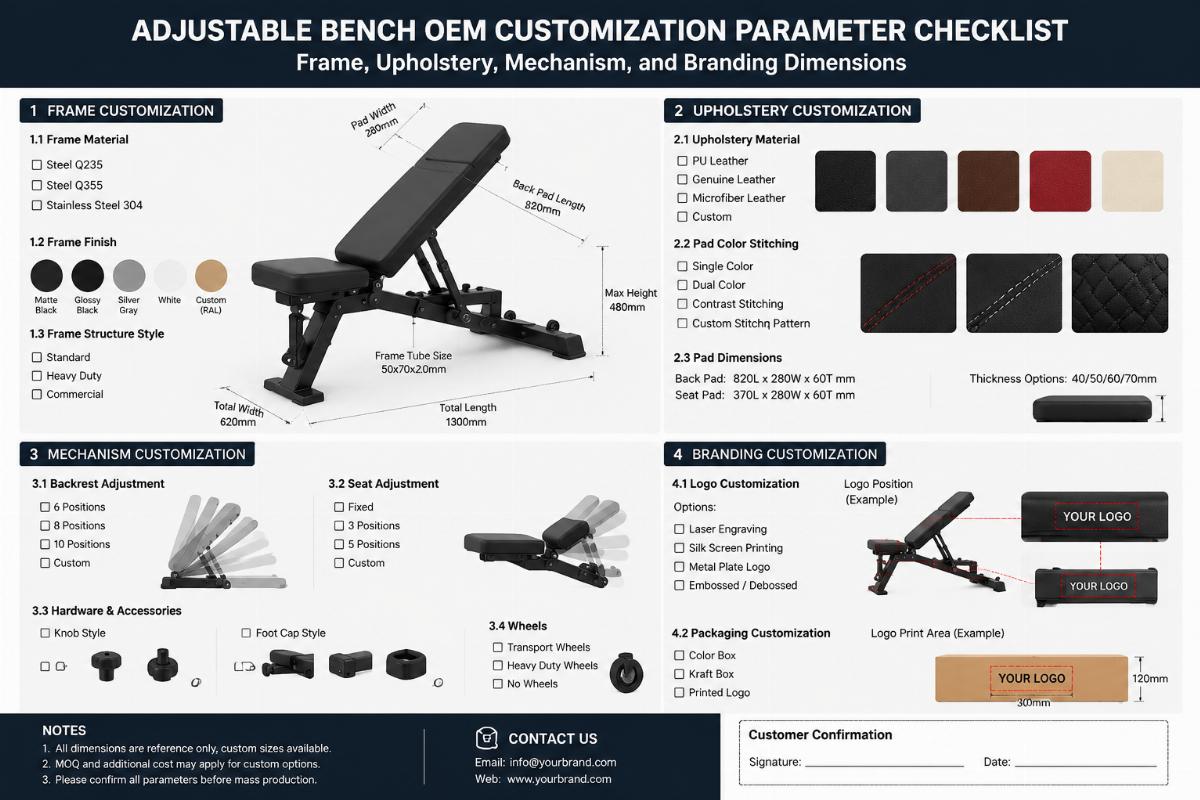
SS-150 Selectorized Chest Sub-Series Wholesale Supplier Specifications & Buyer Reference
Most buyers assume selectorized machines are only for beginners. The real reason experienced lifters prefer them is the ability to isolate muscle groups through micro-adjustments in grip width and seat position, delivering targeted stimulation that free weights often miss.
When sourcing a SS-150 selectorized chest from a commercial fitness equipment supplier, the key specs to verify are: weight stack range (typically 90-150 kg), pulley ratio (2:1 or 3:1 for resistance multiplication), seat adjustment positions (minimum 5-7 levels), frame tube dimensions (50×100 mm oval tube with ≥2.5 mm wall thickness), and upholstery durability (high-density foam with vinyl cover tested for abrasion resistance). These parameters directly impact member satisfaction, equipment lifespan, and your ROI per square meter.
I still remember a project in Kuala Lumpur where a boutique studio owner had less than two hundred square meters of floor space but wanted full strength coverage. I initially quoted him a setup with multiple plate-loaded machines, and the price made him go silent for weeks. Later I learned he was leaning toward selectorized multi-function units that could replace several single-purpose stations. That project taught me something fundamental: spec sheets don’t close deals—matching equipment to actual floor plans, member demographics, and budget constraints does. [NEED_CITE: IHRSA global health club equipment procurement trends report]

Let me walk you through how we evaluate these machines from a sourcing perspective, because the difference between a good purchase and an expensive mistake often comes down to understanding what the numbers actually mean in your specific context.
What Are the Core Specifications of the SS-150 Selectorized Chest?
The SS-150 selectorized chest is built around a steel frame with oval tubing, a guided weight stack, and adjustable seating that accommodates users of different body dimensions. The specification matrix below shows what you should expect from a quality unit versus what you might encounter from cost-cutting manufacturers.
| Parameter | Commercial-Grade Specification | Budget Compromise | Verification Method |
|---|---|---|---|
| Frame Tube | 50×100 mm oval, ≥2.5 mm wall | Thinner gauge, round tube | Request cross-section photo |
| Weight Stack | 90-150 kg range, smooth glide | Inconsistent plates, sticking | Ask for loading video |
| Pulley System | Sealed bearings, 2:1 or 3:1 ratio | Open bearings, friction issues | Spin test, listen for noise |
| Seat Adjustment | 5-7 positions, pin-lock secure | 3 positions, wobble under load | Physical inspection or video demo |
| Upholstery | High-density foam, commercial vinyl | Thin padding, cracks quickly | Check foam density rating [NEED_CITE: upholstery durability standards per ISO 20957] |
| Weld Quality | Full penetration, ground smooth | Spot welds, visible porosity | Request weld close-up photos |
A distributor in the Middle East once received a container of chest machines where the weight stacks didn’t glide smoothly. The plates would catch halfway through the range of motion. When we inspected the units, the guide rods were slightly bent—likely from improper stacking during assembly. The supplier had skipped the final quality check to meet a shipping deadline. The cost of replacing guide rods across an entire container wiped out the margin on that order. [NEED_CITE: common manufacturing defects in selectorized strength equipment]
The point is that specifications on paper mean nothing if the factory doesn’t execute consistently. You need verification mechanisms built into your procurement process.

Selectorized vs Plate-Loaded: How Should Gyms Decide?
The choice between selectorized and plate-loaded equipment depends on three factors: available floor space, member experience level, and budget allocation per square meter. Here’s how the decision matrix typically plays out in real projects.
Space Efficiency: Selectorized machines like the SS-150 consolidate multiple adjustment points into a single footprint. In a Southeast Asian boutique studio project, we replaced three separate cable stations with two selectorized units and freed up roughly a third of the strength zone for functional training space. Plate-loaded machines require more clearance around them for plate loading and user movement.
Member Profile: If your gym caters primarily to beginners or general fitness members, selectorized equipment reduces intimidation and speeds up workout transitions. The guided motion path and simple pin selection make it accessible. However, if you’re building a facility for serious strength athletes or powerlifters, they’ll want plate-loaded equipment for the ability to load beyond standard stack weights and the freedom of movement that comes with less constrained paths.
Budget Dynamics: Selectorized machines carry a higher unit cost than basic plate-loaded stations, but when you factor in the space savings and reduced need for multiple single-purpose machines, the cost per usable square meter often favors selectorized. A hotel fitness center project in the Gulf region required equipment that was compact, quiet, and easy to maintain. We specified selectorized units with optimized pulley ratios that kept operational noise below typical conversation levels, which mattered because the fitness room was adjacent to guest rooms. [NEED_CITE: noise level standards for commercial fitness equipment in hospitality settings]
| Decision Factor | Selectorized Advantage | Plate-Loaded Advantage |
|---|---|---|
| Floor Space | Compact footprint, multi-adjustment | Requires loading clearance |
| User Experience | Beginner-friendly, guided motion | Advanced users prefer freedom |
| Maintenance | Sealed systems, less adjustment | Simpler mechanism, easier repair |
| Noise Level | Generally quieter operation | Plate clanking during loading |
| Scalability | Fixed max weight per stack | Unlimited loading potential |
The key insight is that most commercial gyms need a mix of both. A typical container load for a new gym opening might include a ratio of roughly six selectorized units to four plate-loaded units, balancing accessibility with serious training capability.

How Do You Verify the Factory Isn’t Cutting Corners?
The verification process should focus on three areas: structural integrity, component quality, and certification authenticity. Here’s what to request before committing to a purchase order.
Weld Documentation: Ask for close-up photos of critical weld joints, particularly where the main frame tubes intersect and where the weight stack guide rails attach. Commercial-grade welds should show full penetration with smooth grinding. Porosity, undercut, or incomplete fusion are red flags that indicate rushed production or unqualified welders. [NEED_CITE: welding quality inspection standards for fitness equipment frames]
Weight Stack Testing: Request a video showing the weight stack being loaded and moved through the full range of motion. The plates should glide smoothly without catching or making grinding noises. If the factory can’t provide this, it often means they haven’t done proper end-of-line testing.
Certification Verification: For markets requiring CE marking, ask to see the actual certificate document, not just a logo on the product page. Verify that the certificate covers the specific model you’re ordering and that it’s issued by a legitimate notified body. Some factories use expired certificates or certificates for different products. [NEED_CITE: CE certification requirements for strength training equipment under EU directives]
Component Sampling: If you’re placing a large order, request samples of key components before full production—specifically the pulley assemblies, seat adjustment mechanisms, and upholstery materials. Test these for durability and fit. A factory confident in their quality will accommodate this request without hesitation.
I worked with a gym chain owner who discovered that his supplier’s "commercial-grade" upholstery was cracking after a few months of use. The foam density was far below what was needed for high-traffic environments. By requesting material samples and conducting simple compression tests before the full order, you can catch these issues early.

What’s the Most Cost-Effective Way to Load a Container?
Container optimization for fitness equipment requires balancing product mix, weight distribution, and delivery sequence to minimize both shipping costs and on-site handling time. Here’s how to approach a full container load strategically.
Mixed Equipment Strategy: A typical 40-foot high cube container can accommodate a mix of selectorized strength machines, plate-loaded equipment, and free weights. The key is to load heavier items first and distribute weight evenly across the container floor. Selectorized machines like the SS-150 are relatively compact and can be stacked or nested if designed for it, maximizing space utilization.
MOQ Flexibility: Not every buyer needs a full container of a single model. Many suppliers offer mixed container loading where you can combine different equipment types to reach the minimum order quantity. This is particularly useful for new gym owners who want to test different equipment categories without overcommitting to inventory.
Protection During Transit: Fitness equipment surfaces can be damaged during ocean freight if not properly secured. Ensure that the factory uses adequate padding, corner protectors, and strapping. Request photos of the loading process or, if possible, have a third-party inspection service verify the container stuffing. [NEED_CITE: best practices for loading fitness equipment in shipping containers]
A distributor in Southeast Asia learned this the hard way when he received a container where the selectorized chest machines had shifted during transit, causing cosmetic damage to several units. The factory had used minimal strapping to save time. Now he requires loading photos before the container is sealed, and he includes specific strapping requirements in his purchase orders.
Delivery Sequencing: If your gym has multiple rooms or floors, consider the order in which equipment is loaded. Items needed first should be loaded last (closest to the container doors) to minimize handling during unloading. This seems obvious, but it’s often overlooked in the rush to get containers shipped.

Conclusion
Sourcing selectorized chest equipment requires looking beyond spec sheets to understand how machines perform in real gym environments. The SS-150 and similar units offer space efficiency, user-friendly operation, and consistent resistance that appeals to diverse member profiles. However, the difference between a successful procurement and a costly mistake lies in verification—checking weld quality, testing weight stack smoothness, confirming certifications, and optimizing container loading. When you align equipment selection with your specific floor plan, member demographics, and budget constraints, you create a strength zone that delivers both member satisfaction and solid return on investment.