01 / Scenario
STUDIO
P
High-End Pilates Studios
Premium aesthetics meet quiet operation for boutique studio environments.
ISO
9001
CE
Certified
OEM
Available
10YR
Warranty
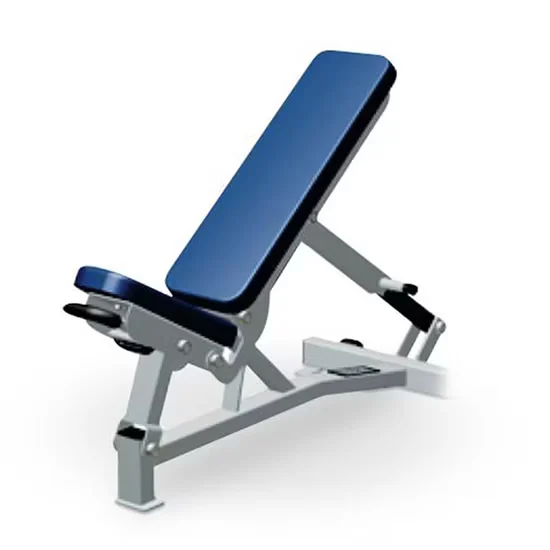
Commercial Adjustable Bench, 1215×680×1070mm, 40kg Net Weight — constructed with steel frame tubing engineered for high-traffic free weight zones, featuring multi-position adjustment mechanisms designed for stable, play-free operation under repeated heavy dumbbell and barbell pressing loads.
Every unit undergoes full load testing before shipment, backed by a 10-year frame warranty with factory-direct floor planning support for high-density gym layouts.
// Spec Highlights
• Direct from Manufacturer · No Middlemen · Worldwide Shipping
01
// Material
Imported Solid Wood
Premium hardwood frames sourced for density and visual warmth.
02
// Hardware
Medical-Grade Silent
Whisper-quiet pulleys and springs for clinical environments.
03
// Customization
Appearance OEM
Color, upholstery, and branding tailored to your studio.
04
// Service
Layout Design
Free venue planning for studios and rehab institutions.
Every component is selected for longevity, performance, and aesthetic harmony - from imported hardwood frames to silent medical-grade accessories.
// Features
Continuous MIG Welds — Robotic welding eliminates spot-weld weak points at every adjustment joint on this commercial adjustable weight lifting bench for gym environments.
| Parameter | Value |
|---|---|
| Product Type | Commercial Adjustable Weight Lifting Bench for Gym |
| Frame Tube Size | 3×3 inch steel |
| Frame Steel Gauge | 11-gauge |
| Steel Grade | Q235 / Q345 industrial steel, mill-certified |
| Welding Type | Robotic MIG, continuous welds |
| Product Dimensions | 1215×680×1070mm |
| Net Weight | 40kg |
| Adjustment Positions | Multiple adjustable positions |
| Upholstery | Available in standard or high-density options |
| Powder Coating | 200μm scratch-resistant industrial finish |
| Color Options | Optional |
| Certification | ISO 9001:2015, CE |
| OEM | Available |
| Facility Type | Typical Use |
|---|---|
| Commercial gym strength floor | Primary dumbbell pressing and seated isolation station |
| Crossfit box functional zone | Supplemental bench for accessory pressing movements |
| Hotel fitness center | Multi-user adjustable platform for varied guest fitness levels |
| University strength and conditioning room | High-density layout bench for athletic training programs |
| Rehabilitation and performance center | Controlled-angle positioning for targeted muscle engagement |
Many commercial adjustable weight lifting bench models on the market quote vague "commercial grade" frame specifications without verifiable steel gauge documentation. The real failure point is not the tubing itself — it is the weld at the adjustment pivot joint, where repeated angle changes and heavy eccentric loading create concentrated stress.
Spot welds pass visual inspection on day one but develop micro-cracks under months of daily commercial cycling. When those cracks propagate, the adjustment mechanism develops play, the frame shifts under load, and the entire unit must be pulled from the floor for structural repair. A robotic continuous MIG weld on an 11-gauge frame eliminates that failure mode entirely. [NEED_CITE: weld classification and fatigue performance in structural steel joints]
This commercial adjustable weight lifting bench for gym serves as the central pressing platform in any serious strength area. It covers flat, incline, and decline angles for dumbbell chest work, seated shoulder pressing, and isolation movements across the upper body. In a high-density floor plan, it pairs directly with power racks, dumbbell storage walls, and plate-loaded chest machines to create a complete pressing circuit. The multiple adjustment positions accommodate users across a wide range of body dimensions, making it suitable for high-traffic facilities where equipment sharing is constant.
An adjustable bench endures a fundamentally different stress profile than a fixed flat bench. Every position change introduces a new load vector at the adjustment pin and pivot joint. Under commercial conditions — hundreds of angle transitions per week combined with heavy dumbbell pressing — the adjustment mechanism becomes the highest-fatigue zone on the entire unit. Static loads from heavy pressing create bending moments on the frame rails, while dynamic loads from dumbbell placement generate impact forces at the contact pads. The upholstery surface endures constant compression, abrasion from clothing, and chemical exposure from gym cleaning agents. [NEED_CITE: fatigue loading patterns in adjustable strength equipment]
The 3×3 inch 11-gauge frame tube on this commercial adjustable weight lifting bench determines the bending resistance threshold under heavy dumbbell work. Thinner-wall tubing or smaller cross-sections will flex perceptibly under loads above moderate pressing weights, compromising stability and user confidence. The robotic MIG continuous weld process produces full-penetration weld seams along all structural joints — this directly affects fatigue life because continuous welds distribute stress across the entire joint length rather than concentrating it at discrete points. The 200μm powder coating applied after sandblasting provides a durable surface that resists chipping at contact points where dumbbells and weight plates repeatedly strike the frame. Adjustment pin diameter and seat tube clearance determine how much play develops over time — tight tolerances with hardened pins maintain position integrity through thousands of cycles.
Facilities that select benches based on unit price alone often absorb costs elsewhere. Thin-wall frames flex under load, creating an unstable pressing platform that experienced lifters immediately reject. Point-welded adjustment joints crack within the first year of commercial use, requiring either costly on-site repair or complete unit replacement. Low-density upholstery compresses permanently within months, exposing the base plate and creating an uncomfortable, unsuitable pressing surface. Non-standard adjustment hardware means replacement parts are unavailable when pins wear or knobs break — the entire bench becomes unusable. Coating that chips at contact points exposes bare steel to sweat and cleaning chemicals, accelerating corrosion from the inside out. [NEED_CITE: total cost of ownership in commercial fitness equipment procurement]
Every commercial adjustable weight lifting bench for gym produced here is built on an 11-gauge 3×3 inch frame with mill-certified steel traceable to the original coil. Robotic MIG welding produces continuous weld seams on every structural joint — no spot-weld shortcuts at adjustment pivot points. Each unit undergoes individual load testing before shipment, verified by documented test records rather than sample-based inspection. The 200μm industrial powder coating is applied over sandblasted surfaces for maximum adhesion and scratch resistance. BICKFIT provides 2D-3D CAD floor planning support to ensure this bench integrates into your strength zone with proper safety clearances and optimal traffic flow. A 10-year frame warranty backs the structural integrity of every unit shipped. OEM private label and custom color options are available for facility branding requirements.
Provide your strength area floor dimensions and current equipment list to receive a 2D-3D layout showing how this commercial adjustable weight lifting bench for gym integrates with your existing strength line. Specify your average daily user volume so structural grade recommendations can match actual usage intensity. Indicate target user body dimension ranges to confirm adjustment position coverage meets your member profile. Custom color, upholstery density, and private label requirements can be incorporated into the configuration.
Q: What frame specification is required for heavy dumbbell pressing on an adjustable bench?
A: The frame must resist bending under eccentric loads from heavy dumbbell work. This bench uses 11-gauge 3×3 inch steel tubing with robotic continuous MIG welds at all adjustment joints, providing the structural rigidity needed for commercial-level pressing without perceptible flex under load.
Q: How does the adjustment mechanism maintain stability over thousands of position changes?
A: Long-term stability depends on pin diameter, seat tube clearance, and weld integrity at the pivot joint. This bench uses hardened adjustment pins with tight-tolerance seat tubes and continuous-welded pivot brackets that resist the fatigue cracking common in spot-welded adjustment mechanisms.
Q: What bench spacing is recommended in a high-density free weight zone?
A: Each commercial adjustable weight lifting bench for gym requires minimum 600mm clearance on all sides for safe dumbbell loading, user egress, and spotter access. BICKFIT provides CAD floor planning to optimize spacing across your entire strength area while maintaining safe traffic flow between stations.
Q: How long does the upholstery last under commercial daily use?
A: Upholstery lifespan depends on density, usage frequency, and cleaning chemical exposure. This bench offers standard or high-density upholstery options, with replacement pads available as direct components so worn pads can be swapped without replacing the entire frame assembly.
Premium aesthetics meet quiet operation for boutique studio environments.
Medical-grade silence and precision for sports & postpartum recovery.
Furniture-grade craftsmanship for premium residential installations.
Compact premium setups for one-on-one and small-group training.
Aesthetic Pilates integration for hybrid wellness studio programming.
Multi-unit deployment with instructor-grade reliability for certification programs.
Tell us about your project. Our team will respond within 24 hours with pricing, customization options, and shipping details.
// Sales Director
William
+86 132 2531 1800
// Export Manager
Bella
+86 198 5412 8032
william@bickfit.com