01 / Scenario
STUDIO
P
High-End Pilates Studios
Premium aesthetics meet quiet operation for boutique studio environments.

ISO
9001
CE
Certified
OEM
Available
10YR
Warranty
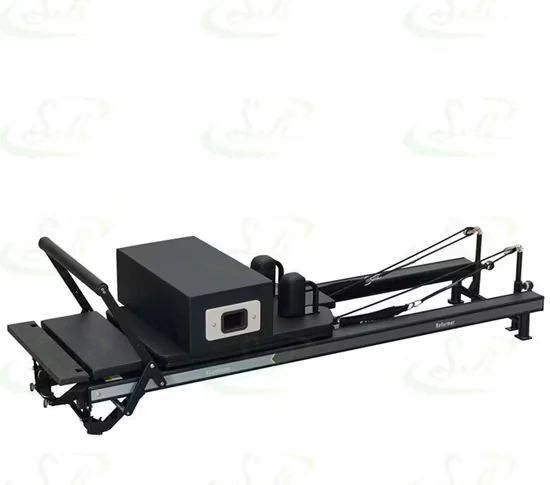
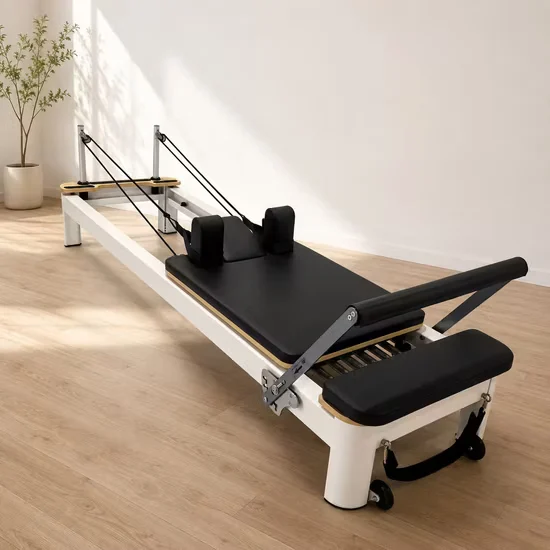
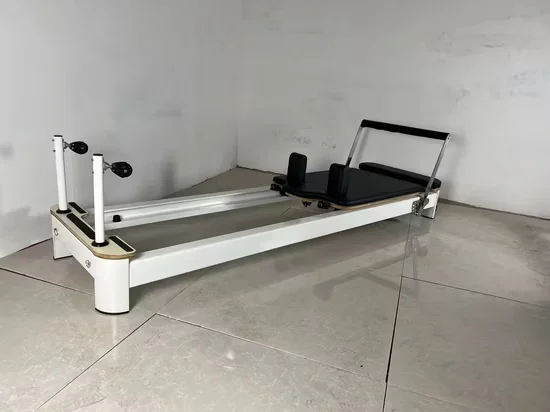
Aluminum Sliding Pilates Reformer, 2400×820×380mm, 110kg — precision rail carriage system engineered for high-repetition studio programming, paired with long box, jump board, and platform accessories for full-spectrum exercise repertoire. 3-year warranty covers frame and sliding mechanism under daily commercial use. Each unit undergoes 32-point inspection and 100% load testing before dispatch.
// Spec Highlights
• Direct from Manufacturer · No Middlemen · Worldwide Shipping
01
// Material
Imported Solid Wood
Premium hardwood frames sourced for density and visual warmth.
02
// Hardware
Medical-Grade Silent
Whisper-quiet pulleys and springs for clinical environments.
03
// Customization
Appearance OEM
Color, upholstery, and branding tailored to your studio.
04
// Service
Layout Design
Free venue planning for studios and rehab institutions.
Every component is selected for longevity, performance, and aesthetic harmony - from imported hardwood frames to silent medical-grade accessories.
// Features
I spent a long stretch laying out studio floors in CAD before shifting to equipment spec work. On a boutique chain project in Bogotá, we spec’d an Aluminum Sliding Pilates Reformer with unsealed carriage bearings — within months of high-frequency reformer classes, the slide rails developed noticeable play and the aluminum frame showed micro-cracks right at the spring anchor points. The client had to pull the entire line. That’s why I now scrutinize every bearing seal and frame joint detail before a single unit leaves the floor.
Mill-Traceable Aluminum — frame extrusions sourced with documented alloy grade and wall thickness for verifiable studio-grade structural integrity.
| Parameter | Value |
|---|---|
| Product Type | Pilates Reformer |
| Frame Material | Aluminum |
| Loading Type | Sliding carriage |
| Dimensions | 2400 × 820 × 380 mm |
| Net Weight | 110 kg |
| Accessories Included | Long Box / Jump Board / Platform |
| Warranty | 3 Years |
| Color Options | White (customization available) |
| Logo | Customized is allowed |
| Age Group | Adult |
| Gender | Unisex |
| Facility Type | Typical Use |
|---|---|
| Pilates studio | Group and private reformer sessions across beginner to advanced levels |
| Boutique fitness studio | Circuit-style reformer classes with high daily rotation |
| Rehabilitation and physiotherapy center | Controlled resistance exercises for injury recovery protocols |
| Hotel and resort wellness facility | Guest-accessible reformer sessions in spa and fitness zones |
| Home studio | Private daily use with full accessory range for varied programming |
A reformer frame that flexes under loaded carriage travel transfers unwanted lateral forces into the rail channel, accelerating wear and compromising glide consistency.
When studios purchase reformers based on price per unit without examining frame wall thickness, the consequences surface quickly. Thin-wall aluminum profiles may hold alignment during light spring resistance work but begin to deflect when users push through heavy jump board sequences or eccentric deceleration on the carriage return. Over time, that deflection causes the rail to fall out of true, and the carriage wheels begin riding unevenly — creating the grinding noise and lateral play that signals the unit is heading for premature retirement [NEED_CITE: structural deflection thresholds in extruded aluminum profiles under dynamic loading]. This is why checking alloy specification and extrusion wall thickness should happen before comparing unit prices on any commercial aluminum sliding Pilates reformer.
The reformer occupies the primary movement station in any dedicated Pilates environment, covering supine, prone, seated, and standing movement patterns across the full resistance range provided by its spring system. In a studio floor plan, it anchors the main workout zone alongside complementary pieces like cadillacs and Wunda chairs, creating a complete apparatus ecosystem without duplicating movement pathways. Facilities running group classes benefit from the reformer’s compact footprint relative to its exercise variety — a single unit supports full-body programming for users across a wide range of body sizes and strength levels. The commercial aluminum sliding Pilates reformer serves studios running multiple sessions per day without requiring dedicated maintenance windows between classes.
A reformer in a busy studio endures a distinctive load profile: the carriage experiences impact forces during jump board sequences, sustained eccentric loads during controlled returns, and repetitive lateral shear as users transition between exercises. The spring anchor points on the frame accumulate fatigue cycles at a rate proportional to daily session volume, making the quality of the fastener-to-frame interface a critical longevity factor. Carriage bearings encounter sweat, chalk dust, and cleaning chemicals that accelerate wear on unsealed systems [NEED_CITE: bearing contamination and service life reduction in fitness environments]. The aluminum frame’s contact surfaces at the long box and platform attachment points must resist deformation * class cycles.
Aluminum frame construction on this reformer reduces overall unit weight for repositioning during studio layout changes while maintaining the torsional rigidity needed for loaded carriage movement. The sliding carriage rail system’s channel precision and surface finish directly determine glide smoothness — any tolerance inconsistency in the extrusion creates friction points that users feel immediately during slow, controlled exercises. The included accessory set of long box, jump board, and platform expands the exercise repertoire without requiring additional equipment purchases or floor space. The three-year warranty signals manufacturer confidence in frame and sliding mechanism durability under studio-frequency use. Net weight at 110 kg places this unit firmly in the commercial category, indicating a frame profile substantial enough to resist walking or shifting during vigorous exercises.
Choosing a reformer based solely on purchase price often leads to compounding expenses that dwarf the initial savings. Thin-wall aluminum frames develop micro-fractures at stress concentration points within the first year of high-volume use, requiring full unit replacement rather than repair. Unsealed carriage bearings demand frequent cleaning and eventual replacement — a maintenance burden that pulls staff time away from client-facing work. Platforms and long boxes built with lightweight cores crack under repeated mounting, and proprietary attachment mechanisms mean replacement parts come only from the original supplier at premium pricing [NEED_CITE: total cost of ownership analysis for commercial fitness equipment]. Coating failures on contact surfaces expose raw aluminum to sweat-induced corrosion, degrading appearance and creating hygiene concerns in shared studio environments.
Every commercial aluminum sliding Pilates reformer we recommend ships with documented aluminum alloy grade and extrusion wall thickness — no generic "studio grade" claims without traceable material certification. Our facility planning includes CAD layout support that accounts for this reformer’s exact footprint plus the safe clearance zones needed around the carriage travel path and jump board extension area. Equipment positioning considers instructor sight lines, participant flow between stations, and emergency access routes. Custom logo application and color options allow alignment with studio branding without compromising structural specifications. The three-year warranty covers frame and sliding mechanism components under documented commercial use conditions.
Share your studio floor plan dimensions and planned session volume to receive a 2D or 3D layout showing optimal reformer placement with safe clearances. Specify your target user population and resistance range requirements to confirm spring system compatibility. Detail any branding requirements including logo placement and color preferences to align equipment appearance with your studio identity.
Q: How do I evaluate whether a reformer is genuinely built for commercial studio use rather than home grade?
A: Commercial units carry documented frame material specifications including alloy grade and wall thickness, paired with net weights significantly above home models. Look for warranty terms that explicitly cover commercial frequency use rather than vague coverage language. Bearing type, accessory construction quality, and the availability of replacement parts under normal studio conditions separate units designed for daily rotation from those that will require early replacement.
Q: What are the practical differences between aluminum and steel frame reformers in a studio environment?
A: Aluminum frames offer lighter weight for repositioning during layout changes and natural corrosion resistance in humid studio conditions. Steel frames typically provide greater mass-based stability and may suit fixed-installation setups. The decision depends on your studio’s floor plan flexibility requirements, local humidity levels, and whether staff will need to move units regularly between group and private session configurations.
Q: How should I select spring resistance levels for a mixed-ability group class environment?
A: A reformer intended for group classes should include a spring set spanning light to heavy resistance, typically indicated by color coding. This range allows instructors to progress individual participants within the same class without equipment swaps. Confirm that replacement springs in all resistance grades remain available from the manufacturer for ongoing inventory management.
Q: What maintenance does the sliding carriage require to maintain smooth operation under daily studio use?
A: Carriage maintenance centers on keeping the rail channel free of chalk dust, sweat residue, and debris that accelerate bearing wear. Wipe rails with a clean cloth after each session and perform deeper channel cleaning on a weekly schedule. Inspect bearing condition monthly and replace at the first sign of play or roughness to prevent rail surface scoring that would require costly carriage track replacement.
Premium aesthetics meet quiet operation for boutique studio environments.
Medical-grade silence and precision for sports & postpartum recovery.
Furniture-grade craftsmanship for premium residential installations.
Compact premium setups for one-on-one and small-group training.
Aesthetic Pilates integration for hybrid wellness studio programming.
Multi-unit deployment with instructor-grade reliability for certification programs.
Tell us about your project. Our team will respond within 24 hours with pricing, customization options, and shipping details.
// Sales Director
William
+86 132 2531 1800
// Export Manager
Bella
+86 198 5412 8032
william@bickfit.com