01 / Scenario
STUDIO
P
High-End Pilates Studios
Premium aesthetics meet quiet operation for boutique studio environments.

ISO
9001
CE
Certified
OEM
Available
10YR
Warranty
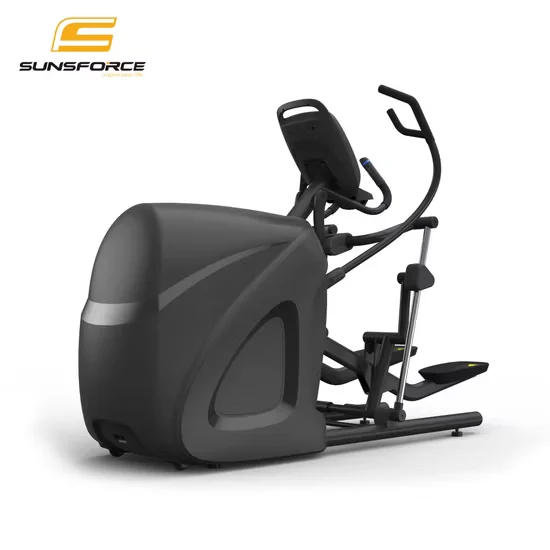
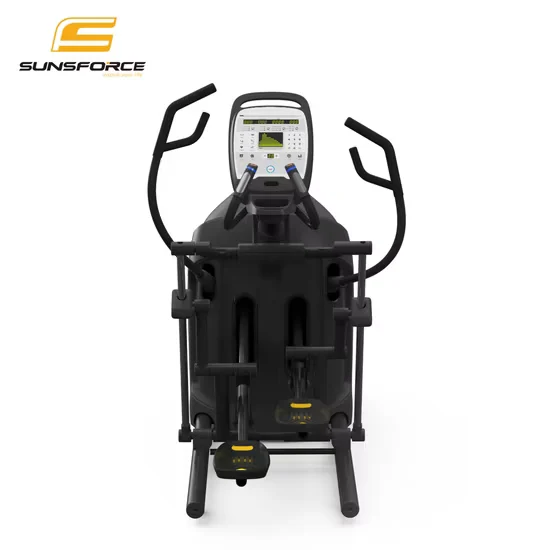
Commercial Elliptical Walker, 240kg Net Weight, 180kg User Capacity — engineered with sealed industrial bearings and 25-level magnetic resistance for high-traffic facilities. The 10.1" touch console integrates independent stride and step depth adjustment across 10 and 15 grades, optimizing biomechanical alignment for diverse users. Every unit undergoes three-stage load testing before shipment, backed by a 10-year frame warranty and factory-direct floor planning support.
// Spec Highlights
• Direct from Manufacturer · No Middlemen · Worldwide Shipping
01
// Material
Imported Solid Wood
Premium hardwood frames sourced for density and visual warmth.
02
// Hardware
Medical-Grade Silent
Whisper-quiet pulleys and springs for clinical environments.
03
// Customization
Appearance OEM
Color, upholstery, and branding tailored to your studio.
04
// Service
Layout Design
Free venue planning for studios and rehab institutions.
Every component is selected for longevity, performance, and aesthetic harmony - from imported hardwood frames to silent medical-grade accessories.
// Features
Sealed Bearing Architecture — Industrial-grade sealed bearings prevent dust ingress in the pedal arm pivot, eliminating play that develops within months in unsealed designs under daily commercial use.
| Parameter | Value |
|---|---|
| Product Type | Commercial Elliptical Cross Trainer |
| Console Type | 10.1" Touch Screen |
| Resistance Levels | 1-25 |
| Stride Adjustment | 1-10 grades |
| Step Depth Adjustment | 1-15 grades |
| Pedal Center Distance | 230mm |
| Max User Weight | 180kg |
| Net Weight | 240kg |
| Product Dimensions | 2120×790×1680mm |
| Certification | ISO, CE, EN 957, RoHS |
| Customization | Available |
| Facility Type | Typical Use |
|---|---|
| Commercial Gym Cardio Zone | High-traffic daily use for members of varying fitness levels |
| Hotel and Resort Fitness Center | Guest-facing equipment requiring low maintenance and intuitive operation |
| University Athletic Facility | Student-athlete conditioning with adjustable stride for diverse body types |
| Corporate Wellness Center | Employee health programs with accessible entry-level cardiovascular training |
The pedal arm pivot is the first point of failure in high-traffic elliptical trainers.
In commercial environments running eight or more hours daily, dust and sweat migrate into unsealed bearing housings. Within three to six months, the bearing race develops measurable play. Users feel it as a lateral wobble at the top of the stride. Maintenance teams hear it as a rhythmic clicking under load. By the time the complaint reaches the equipment manager, the bearing race is scored and the entire pedal arm assembly requires replacement — not just the bearing. This commercial elliptical cross trainer uses sealed bearing units at every pivot point, isolating the rolling elements from particulate contamination and extending service intervals significantly. [NEED_CITE: bearing seal classification and contamination resistance in fitness equipment]
This commercial elliptical cross trainer occupies the low-impact cardiovascular tier of the strength and conditioning floor. The elliptical path covers both sagittal plane leg drive and, through the 230mm pedal center distance, a natural hip tracking angle that reduces lateral compensation. The independent stride and step depth adjustments allow users from 155cm to 195cm to find a comfortable range of motion without mechanical compromise. In a mixed-use facility, this machine complements treadmills and rowers by serving members who need joint-friendly alternatives while still achieving cardiovascular training stimulus. The 10.1-inch touch screen console centralizes resistance and stride control, reducing the cognitive load on first-time users.
Commercial elliptical trainers experience a combination of static, dynamic, and eccentric loading that differs fundamentally from strength equipment. The pedal arms cycle through full range of motion thousands of times per day, creating repetitive stress at the crank junction, the stride adjustment mechanism, and the rear flywheel bearing. The frame tube must resist torsional flex when a 180kg user applies asymmetric force during the drive phase. Weld quality at the base-to-upright junction determines whether the frame remains stable or develops micro-movement that accelerates wear in connected components. The powder coating at handgrip contact points faces constant exposure to sweat and cleaning chemicals, requiring industrial-grade thickness and adhesion to prevent substrate exposure. [NEED_CITE: fatigue performance of welded steel structures under cyclic loading]
The 240kg net weight of this commercial elliptical cross trainer reflects the mass of steel required to stabilize a 180kg user in dynamic motion. A lighter frame would require anchoring or would shift under load. The 230mm pedal center distance is engineered to align with average hip width, reducing the need for users to abduct or adduct excessively during the stride cycle. The 1-10 stride grade adjustment changes the inclination of the pedal path, shifting emphasis between quadriceps-dominant and glute-dominant movement patterns. The 1-15 step depth grade modifies the vertical range of motion, accommodating users with limited hip flexion or those seeking a more intense cardiovascular challenge. Sealed bearings at all pivot points eliminate the need for periodic greasing and prevent the contamination that causes premature failure in bushing-type designs. The 10.1-inch touch screen console integrates resistance control with stride and step depth adjustment, replacing multiple mechanical knobs with a single interface.
Manufacturers who reduce frame weight to cut shipping costs create a machine that flexes under load. That flex transfers to the bearing housings, accelerating wear and creating the very play that sealed bearings are designed to prevent. Thin powder coating chips at contact points within months, exposing bare steel to sweat-induced corrosion. Non-standard hardware means that when a bolt strips or a bracket cracks, the facility cannot source a replacement from local suppliers — the entire component must be shipped from the factory, taking the machine offline for weeks. Low-density upholstery on the stationary handles compresses permanently under daily grip pressure, requiring replacement within a year. These failures do not appear in the purchase price; they appear in maintenance labor, member complaints, and premature equipment retirement. [NEED_CITE: total cost of ownership analysis for commercial fitness equipment]
The 240kg frame mass and 180kg user capacity provide a structural margin that ensures stability across the full range of commercial use. The sealed bearing system reduces maintenance frequency and extends service life in dusty, high-traffic environments. The independent stride and step depth adjustment accommodates a wide user population without mechanical compromise. The 2120×790×1680mm footprint requires careful floor planning to ensure safe clearance between adjacent machines and unobstructed traffic flow. The manufacturer provides 2D-3D CAD layout support to optimize equipment density while maintaining safe access routes. OEM customization options allow facility branding through color matching and logo placement. The 10-year frame warranty reflects confidence in the structural integrity of the welded steel assembly.
Provide your cardio zone floor area and existing equipment list to receive a 2D-3D layout recommendation that optimizes traffic flow and safety clearance. Specify your average daily user count to confirm that the structural rating matches your usage intensity. Indicate the height range of your typical user population to verify that the stride and step depth adjustment range provides comfortable biomechanical alignment. If your facility requires custom color matching, branded console interfaces, or alternative upholstery options, include these requirements in your inquiry to receive an accurate configuration proposal.
Q: How do sealed bearings differ from bushing-type pivots in commercial elliptical trainers?
A: Sealed bearings enclose the rolling elements in a protected housing that prevents dust, sweat, and cleaning chemicals from reaching the bearing race. Bushing-type designs rely on periodic greasing and remain vulnerable to particulate contamination. In high-traffic commercial environments, sealed bearings maintain smooth rotation for significantly longer periods without maintenance intervention, while bushings develop play and noise as contamination accumulates in the bearing surface.
Q: What is the relationship between stride adjustment range and user height compatibility?
A: The 1-10 stride grade adjustment modifies the incline of the pedal path, while the 1-15 step depth grade controls the vertical range of motion. Together, these adjustments accommodate users from approximately 155cm to 195cm in height by allowing each individual to find a comfortable stride length and hip flexion angle. Users with shorter legs can reduce the stride to prevent overextension, while taller users can increase the step depth for a more demanding cardiovascular workout without mechanical restriction.
Q: How does the 230mm pedal center distance affect movement biomechanics?
A: The 230mm distance between pedal centers aligns with average hip width for adult users, promoting a natural tracking path that minimizes lateral hip compensation. If the pedals are too narrow, users must abduct their hips excessively, creating joint stress. If too wide, the stride feels unstable and forces adduction. This specific dimension balances stability and natural movement for the majority of the commercial user population without requiring individual mechanical customization.
Q: What floor space and clearance requirements apply to this commercial elliptical cross trainer?
A: The machine footprint is 2120×790×1680mm. Safe operation requires minimum 600mm clearance on all sides for mounting, dismounting, and emergency access. In a commercial cardio zone, this means each unit requires approximately 3.5 square meters of dedicated floor space including safety margins. Adjacent machines should be staggered or aligned to maintain unobstructed traffic lanes. The manufacturer provides CAD layout services to optimize equipment density while meeting safety standards.
Premium aesthetics meet quiet operation for boutique studio environments.
Medical-grade silence and precision for sports & postpartum recovery.
Furniture-grade craftsmanship for premium residential installations.
Compact premium setups for one-on-one and small-group training.
Aesthetic Pilates integration for hybrid wellness studio programming.
Multi-unit deployment with instructor-grade reliability for certification programs.
Tell us about your project. Our team will respond within 24 hours with pricing, customization options, and shipping details.
// Sales Director
William
+86 132 2531 1800
// Export Manager
Bella
+86 198 5412 8032
william@bickfit.com