01 / Scenario
STUDIO
P
High-End Pilates Studios
Premium aesthetics meet quiet operation for boutique studio environments.
ISO
9001
CE
Certified
OEM
Available
10YR
Warranty
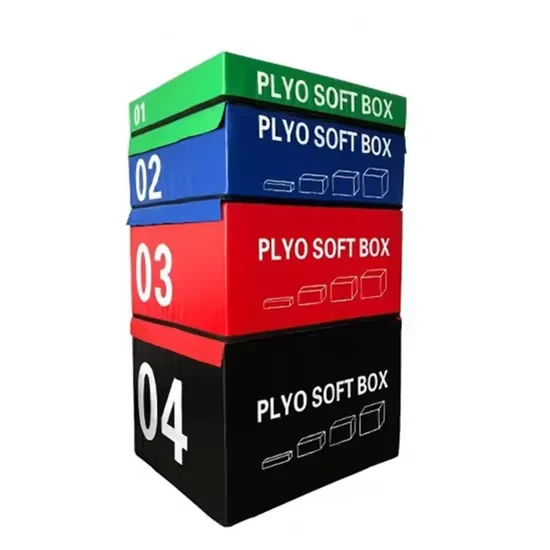
Commercial Foam Plyometric Box Jump, 90×75 cm Footprint, 4-Height Adjustable (15/30/60 cm) — engineered with high-density foam core and reinforced vinyl cover for repeated high-impact landings in high-traffic environments. Non-slip base ensures stability during explosive movements while unified footprint reduces floor space consumption. Every unit undergoes load and impact testing before shipment, backed by 10-year frame warranty and full OEM private label capability.
// Spec Highlights
• Direct from Manufacturer · No Middlemen · Worldwide Shipping
01
// Material
Imported Solid Wood
Premium hardwood frames sourced for density and visual warmth.
02
// Hardware
Medical-Grade Silent
Whisper-quiet pulleys and springs for clinical environments.
03
// Customization
Appearance OEM
Color, upholstery, and branding tailored to your studio.
04
// Service
Layout Design
Free venue planning for studios and rehab institutions.
Every component is selected for longevity, performance, and aesthetic harmony - from imported hardwood frames to silent medical-grade accessories.
// Features
High-Density Foam Core — Engineered for repeated high-impact landings with compression recovery that outlasts hollow-core alternatives in high-traffic commercial environments.
| Parameter | Value |
|---|---|
| Product Type | Plyo Box |
| Model NO. | PB-1100 |
| Specification | 90×75×15/30/45/60 cm |
| Height Options | 4 (15 cm / 30 cm / 45 cm / 60 cm) |
| Color | Black |
| Logo | Customized Logo Available |
| MOQ | 50 PCS |
| Transport Package | Carton |
| HS Code | 9506911900 |
| Production Capacity | 5000/Years |
| Certification | CE, ISO 9001, SGS |
| Facility Type | Typical Use |
|---|---|
| Commercial Gym Functional Training Zone | High-repetition box jumps, step-ups, and lateral hops during peak-hour group sessions |
| CrossFit Box Functional Zone | Daily WOD plyometric circuits with multiple athletes rotating through explosive landings |
| University Strength and Conditioning Room | Collegiate athletic plyometric and agility development programs |
| Hotel and Resort Fitness Center | Compact multi-height conditioning equipment for space-conscious guest workout areas |
| Personal Training Studio | One-on-one reactive power and landing mechanics coaching |
A commercial foam plyometric box jump must resist core compression and cover seam splitting under thousands of repeated impacts.
Too many plyo boxes reach the gym floor with foam cores that feel firm on day one but compress permanently within weeks of daily commercial use. The vinyl cover splits at seam contact points where athletes land repeatedly, exposing the degraded foam underneath. Once the core loses its rebound, the landing surface becomes uneven — and that is when ankle rolls and knee valgus injuries follow. We spec every unit for core compression recovery, not just initial firmness, because what matters is how the box performs at month six, not month one. [NEED_CITE: foam density testing standards for impact-absorbing athletic equipment]
The commercial foam plyometric box jump occupies the explosive power and landing mechanics zone of any functional training area. It complements sled push tracks, battle rope stations, and turf sprint lanes by providing a vertical displacement challenge that trains rate of force development and eccentric absorption. Four height configurations on a single 90×75 cm footprint mean one unit serves beginners working on 15 cm step-ups and advanced athletes driving 60 cm box jumps — reducing equipment count while expanding programming range. The unified footprint also simplifies floor planning, since operators allocate one consistent zone rather than scattering multiple single-height boxes across the training area.
Plyometric boxes endure a unique stress profile: repetitive vertical impact loads combined with lateral shear forces when athletes land off-center or push off at angles. Each jump cycle generates compression through the foam core, tensile stress along the vinyl cover seams, and shear at the base-to-floor interface. In high-traffic facilities running 200+ landings per day, these forces compound into fatigue cycles that expose weak foam density, inadequate seam welding, and insufficient base friction. The non-slip base surface must maintain grip even after sweat and rubber debris accumulate, while the vinyl cover must resist tearing at the top edges where athletes repeatedly plant and pivot. [NEED_CITE: impact fatigue performance of foam-core athletic equipment under repetitive loading]
Foam density is the single most consequential specification for any commercial foam plyometric box jump. High-density foam cores resist permanent compression set — the gradual loss of rebound that turns a firm landing surface into a degraded, uneven platform. The vinyl cover thickness and seam construction method determine whether the box survives months of edge contact or splits at the first stress concentration point. Multi-height design on a unified footprint eliminates the need for four separate units, reducing both capital expenditure and floor space consumption. The non-slip base surface and weight-to-stability ratio prevent shifting during explosive takeoffs and landings, which is critical when athletes are fatigued and landing mechanics degrade.
Hollow-core plyo boxes and low-density foam alternatives may hit a price point, but they collapse under daily commercial use — creating uneven landing surfaces that cause injury. Thin vinyl covers split at seam contact points within weeks, exposing foam to moisture and accelerating degradation. Boxes without adequate base friction shift during use, requiring athletes to compensate with unstable foot placement. When the foam compresses permanently and the cover tears, the entire unit must be replaced — there are no replaceable cores or covers available from manufacturers who cut corners on material specification. The true cost is not the purchase price; it is the replacement cycle, the injury liability, and the programming disruption when equipment fails mid-session. [NEED_CITE: liability exposure from equipment failure in commercial fitness facilities]
Every commercial foam plyometric box jump is evaluated for core compression recovery before shipment — not just initial firmness. The high-density foam core is spec’d for long-term shape retention under repetitive impact loading, and the vinyl cover seam construction is verified for tear resistance at high-wear contact edges. The 90×75 cm footprint with four height options (15/30/45/60 cm) is designed for floor planning efficiency, minimizing equipment count while maximizing training versatility. Customized logo and branding options allow facility operators to maintain visual consistency across their functional training zone. 2D-3D floor planning CAD support ensures proper spacing and safety clearances around each unit, preventing unsafe congestion in high-traffic functional areas.
Provide your functional training zone dimensions and equipment list to receive a 2D-3D floor plan showing optimal placement and safety clearances for the commercial foam plyometric box jump. Specify your daily usage volume and athlete profile to confirm the foam density and cover grade match your facility’s traffic intensity. Indicate any customization requirements for logo, color, or branding to align with your facility’s visual identity.
Q: How do I differentiate commercial-grade foam plyo boxes from light-duty alternatives?
A: Commercial-grade units use high-density foam cores rated for compression recovery under thousands of impact cycles, not just initial firmness. The vinyl cover features reinforced seam construction at contact edges, and the base includes a non-slip surface rated for explosive lateral movements. Light-duty alternatives use low-density foam that compresses permanently within weeks and thin vinyl that splits at seam stress points under daily commercial loading.
Q: What foam density and core structure ensure long-term shape retention under repeated impact?
A: High-density foam cores resist permanent compression set — the gradual loss of rebound that creates uneven landing surfaces. The core structure must be evaluated for compression recovery after repeated loading, not just initial firmness readings. Solid high-density foam maintains consistent rebound characteristics through thousands of jump cycles, while hollow or low-density cores collapse progressively, creating dangerous landing inconsistencies that compromise athlete safety.
Q: How does the multi-height design reduce equipment count and optimize floor planning?
A: Four height configurations (15/30/45/60 cm) on a single 90×75 cm footprint eliminate the need for four separate boxes, reducing capital expenditure and floor space consumption. One unit serves beginners working on step-ups and advanced athletes performing maximum-height box jumps. The unified footprint simplifies zone allocation in functional training areas, preventing scattered equipment placement that creates unsafe traffic flow patterns.
Q: What is the vinyl cover replacement cycle and maintenance requirement in high-traffic environments?
A: The vinyl cover is engineered for extended service life under daily commercial use, with reinforced seam construction at high-wear contact edges. Wipe with mild cleaner after each session to prevent sweat degradation. Inspect seams monthly for early signs of stress; proper maintenance extends cover life significantly. If seam splitting occurs, the entire unit requires replacement unless the manufacturer offers replaceable cover options — verify this before purchase.
Premium aesthetics meet quiet operation for boutique studio environments.
Medical-grade silence and precision for sports & postpartum recovery.
Furniture-grade craftsmanship for premium residential installations.
Compact premium setups for one-on-one and small-group training.
Aesthetic Pilates integration for hybrid wellness studio programming.
Multi-unit deployment with instructor-grade reliability for certification programs.
Tell us about your project. Our team will respond within 24 hours with pricing, customization options, and shipping details.
// Sales Director
William
+86 132 2531 1800
// Export Manager
Bella
+86 198 5412 8032
william@bickfit.com