01 / Scenario
STUDIO
P
High-End Pilates Studios
Premium aesthetics meet quiet operation for boutique studio environments.

ISO
9001
CE
Certified
OEM
Available
10YR
Warranty
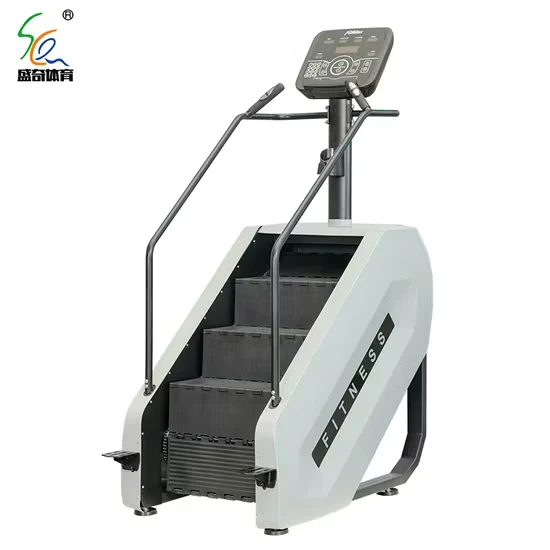
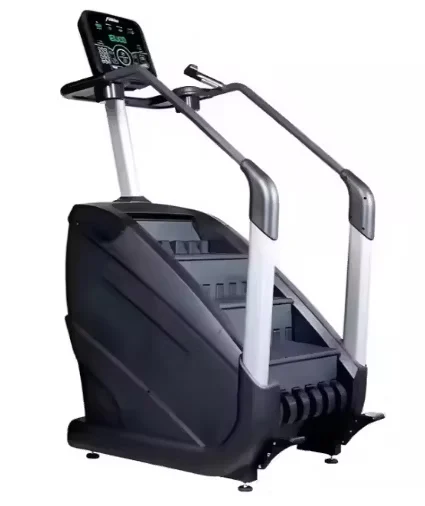
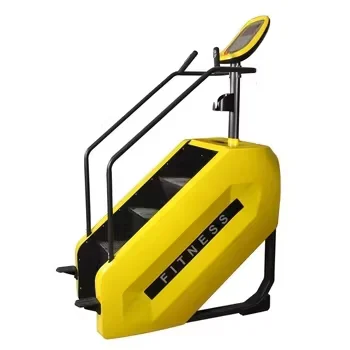
Commercial Stair Climber Machine, Motor Drive, 15–164 Steps/Min — engineered with a steel-pipe frame and PP step surfaces rated for continuous high-traffic gym operation, featuring an integrated console tracking time, calories, steps, and heart rate. CE certified with AC220V/AC110V compatibility and customizable options available. Every unit undergoes rigorous load testing on the step mechanism and frame joints prior to shipment, backed by a 10-year frame warranty and full OEM-ODM capability.
// Spec Highlights
• Direct from Manufacturer · No Middlemen · Worldwide Shipping
01
// Material
Imported Solid Wood
Premium hardwood frames sourced for density and visual warmth.
02
// Hardware
Medical-Grade Silent
Whisper-quiet pulleys and springs for clinical environments.
03
// Customization
Appearance OEM
Color, upholstery, and branding tailored to your studio.
04
// Service
Layout Design
Free venue planning for studios and rehab institutions.
Every component is selected for longevity, performance, and aesthetic harmony - from imported hardwood frames to silent medical-grade accessories.
// Features
Motor-driven torque consistency under sustained daily loading — Each unit undergoes full-load step mechanism testing before shipment, verifying drive chain tension and pedal alignment at maximum operating speed.
| Parameter | Value |
|---|---|
| Product Type | Stair Climber Machine |
| Drive Type | Motor Drive |
| Power Input | AC220V±10% / AC110V±10% |
| Running Velocity | 15 – 164 steps/min |
| Step Area | 560×240×200 mm |
| Product Dimensions | 1400×700×2000 mm |
| Net Weight | 148 kg |
| Frame Material | Steel Pipe + PP Plastic |
| Console Display | Time, Climb, Calories, Steps, Heart Rate |
| Folded State | Unfolded |
| Certification | CE |
| Condition | New |
| Customization | Available |
| Facility Type | Typical Use |
|---|---|
| Commercial gym cardio zone | High-traffic daily climbing sessions with continuous motor operation |
| Hotel and resort fitness center | Guest-facing cardio equipment requiring low maintenance intervals |
| University athletic facility | Structured conditioning programs with adjustable step speed ranges |
| Rehabilitation and performance center | Controlled pace climbing for progressive load management |
Steel pipe gauge and joint construction determine long-term rigidity under repetitive step loading. Many stair climbers quote vague "commercial-grade" frames without verifiable steel specifications, leading to lateral flex at the pedal carriage within the first year of high-traffic use. When the frame yields even slightly under a 100kg user at 160 steps per minute, the pedal path shifts off-axis, creating uneven wear on the drive chain and an uncomfortable lateral sway that users feel immediately. [NEED_CITE: structural rigidity requirements for motor-driven cardio equipment under cyclic loading]
This commercial stair climber machine motor drive occupies the high-intensity cardio corridor, complementing treadmills and rowers by targeting lower-body muscular endurance through vertical stepping mechanics. The motor-driven system maintains consistent step speed from 15 to 164 steps per minute regardless of user weight, making it suitable for facilities where multiple users of varying fitness levels share the same unit throughout the day. The 1400×700 mm footprint requires dedicated floor space with rear and side safety clearances for mounting and dismounting.
Motor-driven stair climbers face a distinct stress profile compared to self-powered units: the drive motor delivers constant torque to the pedal chain, meaning the frame joints absorb repetitive impact loading at every step cycle without the natural deceleration a user’s own leg resistance provides. Over thousands of daily cycles, this creates fatigue concentration at the pedal carriage mounting points and the main frame welds where the vertical load transfers to the base. The sealed bearing system at each pedal axle must resist contamination from gym floor dust and sweat while maintaining smooth rotation under sustained load. [NEED_CITE: bearing seal performance in high-humidity commercial fitness environments]
The steel pipe frame forms the load-bearing skeleton of this commercial stair climber machine motor drive, and its gauge and tube dimensions directly determine how much lateral deflection occurs when a heavier user climbs at maximum speed. A thicker-walled tube with a larger cross-section raises the bending resistance threshold, preventing the frame from flexing under off-center foot placement. The motor drive unit’s torque output must match the step mechanism’s inertia at the highest cadence; undersized motors slip or stall, while properly matched drives maintain smooth pedal travel across the full 15–164 steps/min range. The 560×240 mm step area provides sufficient surface for secure foot placement, and the PP plastic step surface resists wear from repetitive shoe contact without becoming slippery under sweat conditions.
Thin-wall steel tubing may pass visual inspection at the factory but develops visible flex and eventual weld cracking after months of continuous commercial use, particularly at the pedal carriage joints where cyclic loading concentrates stress. Non-sealed bearings allow dust and moisture to infiltrate the pedal axle, accelerating wear and producing audible grinding within the first year — a maintenance call that costs far more than the original bearing upgrade. Low-grade powder coating chips at contact points where users grip the frame during mounting, exposing bare steel to sweat corrosion that spreads beneath the surrounding finish. [NEED_CITE: powder coating adhesion and corrosion resistance under commercial cleaning protocols]
Every commercial stair climber machine motor drive ships with a steel pipe frame built to verified gauge specifications, with material traceable to the mill certificate. Robotic MIG welding produces continuous weld lines at every structural joint, eliminating the spot-weld weak points that crack under repetitive pedal loading. Each unit undergoes individual load testing before shipment, verifying drive chain tension, pedal alignment, and motor performance at maximum operating speed. The 200μm industrial powder coating resists chipping and sweat corrosion across the full frame surface. BICKFIT provides 2D-3D CAD floor planning support to ensure proper spacing and safety clearances around each stair climber installation.
Provide your cardio zone floor dimensions and existing equipment layout to receive a 2D-3D CAD placement plan showing safety clearances and traffic flow around each commercial stair climber machine motor drive. Specify your expected daily user volume so the drive system and bearing specifications can be matched to your usage intensity. Indicate any customization requirements for frame color, console language, or facility branding.
Q: How does motor drive compare to self-powered stair climbers for high-traffic facilities?
A: Motor-driven units maintain consistent step speed regardless of user weight or effort level, reducing mechanical wear on the pedal chain and bearing system compared to self-powered mechanisms that rely on user force to drive the step cycle. This makes motor drive better suited for facilities with high daily user volume and varying fitness levels sharing the same equipment.
Q: What frame construction details distinguish commercial-grade stair climbers from light-commercial models?
A: Commercial-grade frames use verified steel pipe gauge with continuous robotic MIG welds at all structural joints, particularly at the pedal carriage mounting points where cyclic loading concentrates stress. Light-commercial models often use thinner tubing with spot welds that develop fatigue cracks after months of heavy daily use, requiring frame replacement rather than simple component service.
Q: What maintenance intervals should be expected for a motor-driven stair climber in daily commercial use?
A: Drive chain tension and pedal axle bolt torque should be checked after the first 50 operating hours and then at quarterly intervals. Sealed bearings require inspection for smooth rotation and audible noise every three months. The motor drive unit and console electronics need annual professional inspection to verify electrical connections and sensor calibration.
Q: How should floor space be planned for safe stair climber installation?
A: The unit requires a 1400×700 mm footprint with minimum 600 mm clearance at the rear for motor access and maintenance, plus 400 mm on each side for safe mounting and dismounting. Multiple units should be spaced to prevent user interference during simultaneous operation, with clear traffic paths between the stair climber zone and adjacent cardio or strength equipment.
Premium aesthetics meet quiet operation for boutique studio environments.
Medical-grade silence and precision for sports & postpartum recovery.
Furniture-grade craftsmanship for premium residential installations.
Compact premium setups for one-on-one and small-group training.
Aesthetic Pilates integration for hybrid wellness studio programming.
Multi-unit deployment with instructor-grade reliability for certification programs.
Tell us about your project. Our team will respond within 24 hours with pricing, customization options, and shipping details.
// Sales Director
William
+86 132 2531 1800
// Export Manager
Bella
+86 198 5412 8032
william@bickfit.com