01 / Scenario
STUDIO
P
High-End Pilates Studios
Premium aesthetics meet quiet operation for boutique studio environments.

ISO
9001
CE
Certified
OEM
Available
10YR
Warranty
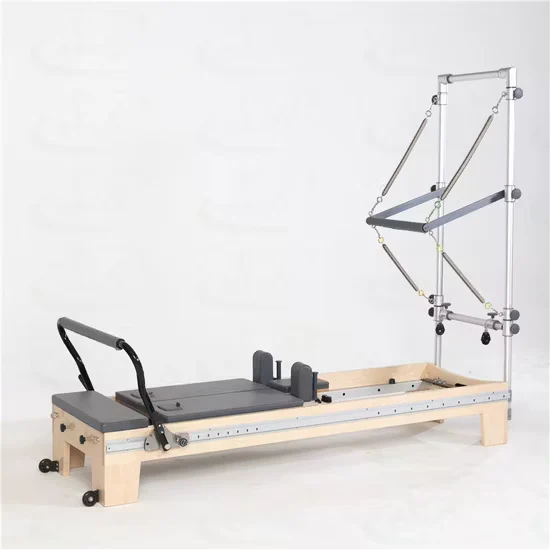
Commercial Pilates Reformer, Aluminum Carriage Rail, 2570×730×270mm — engineered with a full-length aluminum rail system for corrosion resistance and smooth glide, paired with a reinforced frame structure rated for repetitive studio-level loading. Includes long box, jump board, and platform as standard configuration. Backed by 100% load testing on every unit before shipment from our 15,000㎡ vertically integrated facility.
// Spec Highlights
• Direct from Manufacturer · No Middlemen · Worldwide Shipping
01
// Material
Imported Solid Wood
Premium hardwood frames sourced for density and visual warmth.
02
// Hardware
Medical-Grade Silent
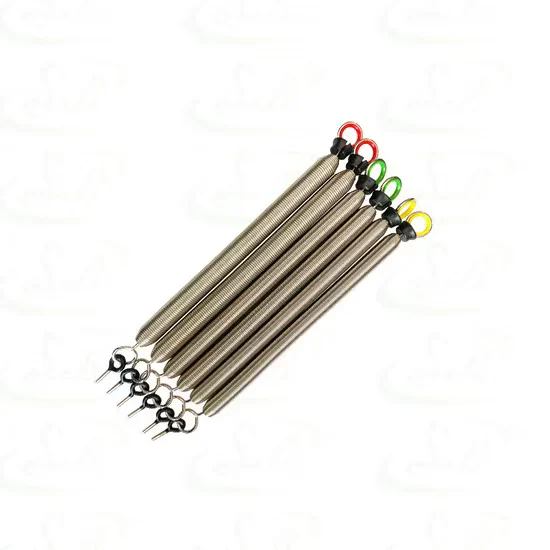
Whisper-quiet pulleys and springs for clinical environments.
03
// Customization
Appearance OEM
Color, upholstery, and branding tailored to your studio.
04
// Service
Layout Design
Free venue planning for studios and rehab institutions.
Every component is selected for longevity, performance, and aesthetic harmony - from imported hardwood frames to silent medical-grade accessories.
// Features
Aluminum Rail Precision — Full-length aluminum carriage rail with reinforced frame joints engineered for repetitive studio-level loading cycles.
| Parameter | Value |
|---|---|
| Product Type | Pilates Reformer |
| Model NO. | SRY-12 |
| Frame Material | Aluminum alloy carriage rail system |
| Product Dimensions | 2570×730×270mm |
| Net Weight | 90kgs |
| Accessory Configuration | Long Box, Jump Board, Platform included |
| Color Options | White (customization available) |
| Logo | Custom branding allowed |
| Upholstery | Standard commercial vinyl, high-density options available |
| Transport Package | Standard Wood Case |
| Warranty | 3 Years |
| Certification | CE, ISO 9001 |
| Production Capacity | 80 Pieces/Month |
| HS Code | 9506911900 |
| Facility Type | Typical Use |
|---|---|
| Boutique Pilates Studio | Multiple daily class rotations with full accessory configuration for group reformer sessions |
| Rehabilitation and Physiotherapy Center | Controlled resistance exercises requiring precise carriage travel and stable platform positioning |
| Hotel and Resort Fitness Facility | Moderate daily guest usage with complete accessory set for varied programming |
| Personal Training Studio | One-on-one sessions utilizing jump board and long box for progressive client programming |
| Home Studio | Dedicated residential space with commercial-grade durability for daily personal practice |
A reformer lives or dies by the interface between its rail system and frame structure.
Most reformers labeled as studio-grade use thin-wall steel tubing with spot-welded joints that pass initial inspection but develop visible deflection under jump board impacts and standing exercises. The carriage begins to wobble within months of daily class schedules, and pulley bushings wear unevenly, creating cable tracking issues that demand constant adjustment. When a studio runs five or six group sessions daily, these small tolerances compound into equipment that feels fundamentally different by mid-afternoon [NEED_CITE: structural fatigue in aluminum extrusion rail systems under dynamic loading]. Operators end up scheduling maintenance windows that cut into revenue hours, replacing worn components on a cycle that was never disclosed at purchase.
This commercial pilates reformer machine supports the full spectrum of classical and contemporary Pilates repertoire — supine, prone, seated, kneeling, and standing positions — through its included long box, jump board, and platform accessories. In a studio layout, reformers typically anchor the primary programming zone and pair with cadillac towers, chair units, and barrel stations to create a complete apparatus circuit. The 2570mm length accommodates users across a wide height range, making it suitable for facilities serving diverse client populations. Studios running high-density class formats benefit from the standard accessory package, eliminating the downtime of swapping components between sessions.
Reformer frames face an unusual combination of static loads from body weight, impact forces from jump board repetitions, and eccentric tension from spring resistance during controlled returns. Every jump board landing sends a shock pulse through the frame-to-rail interface; every standing lunge on the platform creates asymmetric loading that tests joint reinforcement. Pulley systems endure thousands of directional changes per day in a busy studio, and cable wear accelerates when bushing-type components lack sealed protection from sweat aerosol and cleaning chemicals [NEED_CITE: EN 957 structural requirements for stationary training equipment]. Upholstery surfaces compress and release hundreds of times daily, and low-density foam develops permanent deformation that clients notice immediately against their spines during rolling exercises.
The aluminum carriage rail on this unit provides inherent corrosion resistance in climate-controlled studio environments where humidity fluctuates between early-morning HVAC cycles and mid-afternoon body heat saturation. Aluminum’s self-lubricating oxide layer reduces maintenance intervals compared to steel rails that require periodic treatment to prevent surface pitting. Frame joint integrity depends on continuous weld penetration rather than cosmetic surface coverage — a joint that shows clean bead lines externally can still harbor incomplete fusion internally. Pulley bearing selection determines whether cable tension remains consistent through the ten-thousandth repetition or develops play that instructors must compensate for verbally during cues. High-density upholstery foam maintains its recovery profile through years of compression cycles, while standard-density options serve facilities with lighter throughput demands.
Thin-wall tubing on a reformer frame flexes under jump board loading, and that flex transfers directly into carriage wobble that instructors cannot coach around. Spot-welded joints at the rail mounting points may crack silently, discovered only when a carriage derailment occurs mid-class — a liability event no studio insurance policy covers comfortably. Bushing-type pulleys without sealed bearings develop radial play as sweat infiltration corrodes the internal surface, and replacement parts from generic suppliers rarely match original tolerances [NEED_CITE: bearing failure modes in fitness equipment pulley systems]. Low-density upholstery foam compresses permanently within months of commercial rotation schedules, forcing studios to either reupholster at significant cost or accept client complaints about equipment that feels neglected.
Every SRY-12 unit ships with a complete accessory configuration — long box, jump board, platform — as standard equipment rather than aftermarket additions that arrive on separate lead times. The aluminum carriage rail is paired with a frame structure designed around repetitive dynamic loading, not static showroom presentation. Manufacturing takes place in a 15,000㎡ vertically integrated facility in Ningjin where seventeen years of commercial equipment production informs every weld sequence and tolerance decision. Each unit undergoes load testing before crating, not sample-based QC that leaves individual unit performance to statistical probability. The 200μm powder coating process provides surface protection against the cleaning chemical protocols studios run between every class session. OEM branding and color customization integrate the equipment into studio interior design without compromising structural specification.
Provide your studio floor dimensions and current apparatus list to receive a 2D-3D layout showing reformer placement with safe clearance zones. Specify your daily class rotation count and average attendance per session so we can match structural grade to your actual throughput. Share your client demographic height range to confirm the carriage travel and platform positioning accommodate your population. Communicate any branding, color, or upholstery density preferences early in the specification process to integrate customization into production scheduling rather than treating it as a post-production modification.
Q: Is an aluminum carriage rail better than steel for commercial studio use?
A: Aluminum rails offer inherent corrosion resistance and a self-lubricating surface oxide that reduces maintenance in studio environments with fluctuating humidity. Steel rails can perform well but require more vigilant surface treatment and are heavier, increasing overall unit mass. For studios running multiple daily class rotations where cleaning protocols are frequent, aluminum’s resistance to moisture-related degradation provides a practical maintenance advantage over the equipment’s service life.
Q: How do I evaluate frame structural integrity beyond marketing claims?
A: Request weld classification documentation and joint reinforcement specifications rather than accepting "commercial grade" as a sufficient descriptor. Ask whether load testing occurs on every individual unit or on a sample basis. Examine the frame-to-rail mounting method — continuous structural fastening outperforms spot-welded attachment under repetitive dynamic loading from jump board and standing exercises.
Q: Which accessories are essential versus optional for a full-service studio?
A: A long box is necessary for seated and supine exercises that form the foundation of most class programming. A jump board enables cardio-reformer intervals that studios increasingly incorporate into group formats. A platform extends standing exercise options and accommodates clients who need stable footing during balance work. Purchasing these as standard configuration eliminates lead-time gaps between core unit delivery and accessory shipment.
Q: What maintenance intervals should I expect for pulley and cable systems?
A: Sealed bearing pulleys require visual inspection quarterly in high-traffic environments, with cable replacement dictated by visible fraying rather than a fixed calendar schedule. Bushing-type pulleys demand more frequent attention as internal wear creates cable tracking inconsistency. Request replacement part availability documentation at purchase to ensure your maintenance team can service units without extended equipment downtime.
Q: Can the reformer be customized to match studio interior design?
A: Custom branding and color options are available to align equipment appearance with studio aesthetics. Specify requirements during the initial specification phase so customization integrates into the production cycle. High-density upholstery options are also available for studios anticipating heavy daily rotation where standard foam density would compress prematurely under commercial throughput demands.
Premium aesthetics meet quiet operation for boutique studio environments.
Medical-grade silence and precision for sports & postpartum recovery.
Furniture-grade craftsmanship for premium residential installations.
Compact premium setups for one-on-one and small-group training.
Aesthetic Pilates integration for hybrid wellness studio programming.
Multi-unit deployment with instructor-grade reliability for certification programs.
Tell us about your project. Our team will respond within 24 hours with pricing, customization options, and shipping details.
// Sales Director
William
+86 132 2531 1800
// Export Manager
Bella
+86 198 5412 8032
william@bickfit.com