01 / Scenario
STUDIO
P
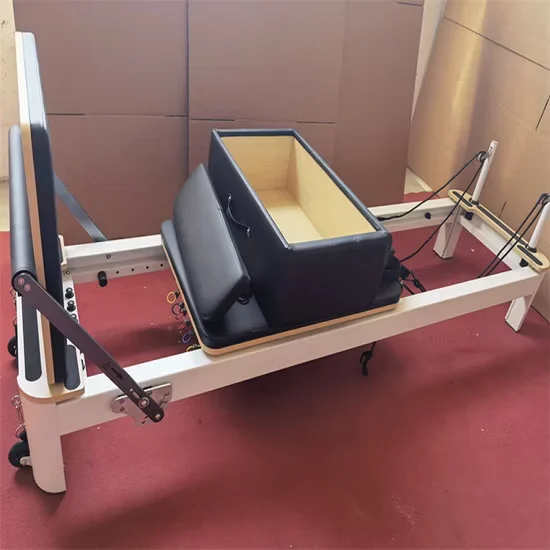
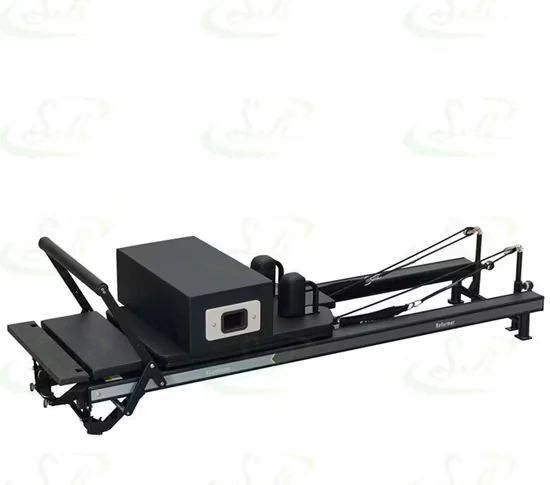
High-End Pilates Studios
Premium aesthetics meet quiet operation for boutique studio environments.
ISO
9001
CE
Certified
OEM
Available
10YR
Warranty
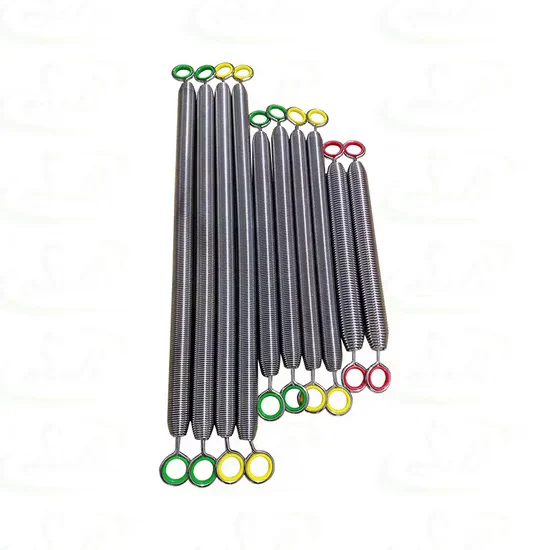
Pilates Removable Hook Stretch Spring, 2.2mm Wire Diameter, 25mm Coil OD, 450mm Free Length — engineered with industrial-grade spring steel and a detachable hook design for rapid maintenance on elevated and flat head reformer beds. Built to control elastic fatigue under high-repetition studio conditions with corrosion-resistant surface treatment. Each unit undergoes load verification before shipment, backed by a 3-year warranty and ISO 9001:2015 certified production.
// Spec Highlights
• Direct from Manufacturer · No Middlemen · Worldwide Shipping
01
// Material
Imported Solid Wood
Premium hardwood frames sourced for density and visual warmth.
02
// Hardware
Medical-Grade Silent
Whisper-quiet pulleys and springs for clinical environments.
03
// Customization
Appearance OEM
Color, upholstery, and branding tailored to your studio.
04
// Service
Layout Design
Free venue planning for studios and rehab institutions.
Every component is selected for longevity, performance, and aesthetic harmony - from imported hardwood frames to silent medical-grade accessories.
// Features
Every Unit Load-Tested — each commercial Pilates removable hook stretch spring undergoes tension verification before shipment, confirming elastic recovery and hook retention under peak studio loading.
| Parameter | Value |
|---|---|
| Product Type | Pilates Spring Accessory |
| Specification | 2.2×25×450 mm |
| Spring Wire Material | Industrial-grade spring steel |
| Hook Design | Removable hook |
| Surface Treatment | Corrosion-resistant finish |
| Customization | Logo available in custom options |
| Certification | ISO 9001:2015, CE, SGS |
| Warranty | 3 Years |
| Net Weight | Excluded (source value — verify) |
| Facility Type | Typical Use |
|---|---|
| Commercial Pilates studio | Reformer spring replacement and tension grading across apparatus |
| Hotel fitness center Pilates zone | Flat head bed attachment for guest-driven daily rotation |
| Rehabilitation and performance center | Controlled tension modulation for progressive resistance protocols |
| University athletic conditioning room | Group reformer sessions requiring standardized spring sets |
A removable hook separates a five-minute swap from a full spring teardown.
In high-traffic Pilates studios, springs cycle through hundreds of tension-and-release repetitions daily. Conventional springs with welded hooks develop micro-cracks at the weld collar — the stress concentrates exactly where the hook meets the coil end, and when that weld fractures, the jagged edge scores the leather carriage bed and exposes members to injury. The commercial Pilates removable hook stretch spring eliminates that weld point entirely. The hook threads into the coil terminus with a mechanical lock that holds under axial load yet releases with hand tools for field replacement. [NEED_CITE: fatigue failure modes in helical spring terminations]
A reformer relies on multiple spring tensions to grade resistance across leg work, arm pulls, and full-body integration exercises. This spring functions as a modular tension unit within a graduated set, pairing with heavier and lighter springs to cover the full resistance spectrum a studio demands. The commercial Pilates removable hook stretch spring adapts to both elevated bed reformers and flat head bed configurations, which means one SKU covers two apparatus profiles. Studios running six to ten reformers in group class formats benefit from the interchangeability — a single spring set standardizes the tension experience across every machine on the floor.
Every reformer session cycles springs through full extension and return, and in a busy studio that translates to thousands of fatigue cycles weekly. The primary stress zones are the coil transition — where the active coils meet the closed ends — and the hook engagement point. Under eccentric loading from off-angle pulls during strap work, the hook-to-coil interface sees shear stress that a welded joint absorbs poorly. The removable hook design redirects that stress into a threaded mechanical connection that distributes load across multiple thread faces rather than a single weld bead. The corrosion-resistant finish protects the wire surface from sweat and cleaning agents that accelerate pitting in humid studio environments. [NEED_CITE: environmental degradation of spring steel in fitness equipment]
The 2.2 mm wire diameter paired with the 25 mm outer coil diameter and 450 mm free length establishes the spring’s rate — the force required per unit of extension. Thicker wire increases resistance but reduces the working extension range; more active coils lower the rate while distributing stress across a longer wire length, which improves fatigue life. The surface treatment matters beyond aesthetics: in studios where reformers are cleaned between every class, springs face repeated chemical exposure that can degrade untreated wire and initiate surface cracks. The removable hook also means the spring can be re-hooked to a different anchoring point if a studio reconfigures its apparatus layout, without requiring a new spring. This is where the commercial Pilates removable hook stretch spring earns its place in a high-use rotation — replaceable components extend service intervals meaningfully.
When a studio buys springs priced below commercial grade, the compromises hide in the wire’s heat treatment and the hook attachment. Improperly annealed spring steel loses its elastic memory faster — after several months of daily use, the spring takes a permanent set and no longer returns to its rated free length, delivering less resistance than the color code promises. Welded hooks on these springs fail at the weld collar, and because the hook is integral to the spring, the entire unit gets scrapped rather than just the hook. Non-corrosion-treated wire develops surface rust that transfers to carriage rails and leather upholstery, accelerating wear on equipment that costs many times more than the spring itself. [NEED_CITE: total cost of consumable component replacements in commercial studios]
Our steel sourcing requires mill certification traceable to the coil, which applies to spring wire as it does to frame tubing — you cannot verify fatigue life without knowing the alloy and heat treatment record. Robotic continuous MIG welding governs our frame joints, and that same discipline extends to how we evaluate every component that carries load on our apparatus, including spring terminations. Every unit undergoes load testing before shipment, so springs ship with verified tension curves rather than nominal ratings. The 200μm industrial powder coating on our frames pairs with corrosion-treated springs so the full assembly resists the humid, high-clean-cycle environment of a working studio. Our 2D and 3D floor planning CAD support accounts for reformer placement and spring storage logistics so studio operators know exactly where replacement sets live in the room.
Provide your reformer count and average daily class schedule so we can recommend spring set quantities and tension gradations for your traffic volume. Share your apparatus model and bed type — elevated or flat head — to confirm hook interface compatibility across your existing fleet. Specify any custom branding requirements including logo placement and color coding to align with your studio’s visual identity system.
Q: How do you distinguish a commercial-grade Pilates spring from a residential one?
A: Commercial springs use industrial-grade wire with documented heat treatment and fatigue-cycle testing, while residential springs often lack verified material certifications. Commercial springs also feature corrosion-resistant finishes rated for frequent chemical cleaning and high-humidity environments typical in studios running multiple classes daily.
Q: When should a studio replace its reformer springs?
A: Replace springs when they no longer return to their original free length after unloading, indicating permanent set from fatigue. Visually inspect for coil distortion, surface pitting, or hook loosening. Studios running high-frequency group classes should schedule tension verification quarterly to catch elastic degradation before it affects member experience.
Q: What advantage does a removable hook provide over a permanently welded hook?
A: A removable hook allows field replacement if the hook itself wears or deforms, without scrapping the entire spring. Welded hooks create a stress concentration point where the weld meets the coil, which is a common fracture origin under repeated tension cycling. The mechanical connection distributes load more evenly across the termination.
Q: Do different spring colors indicate different resistance levels?
A: Color coding is a manufacturer convention indicating relative tension within a product line, typically ranging from light to heavy. However, color standards are not universal across brands, so studios should verify actual tension ratings in newtons rather than relying solely on color matching when mixing spring sets from different suppliers.
Premium aesthetics meet quiet operation for boutique studio environments.
Medical-grade silence and precision for sports & postpartum recovery.
Furniture-grade craftsmanship for premium residential installations.
Compact premium setups for one-on-one and small-group training.
Aesthetic Pilates integration for hybrid wellness studio programming.
Multi-unit deployment with instructor-grade reliability for certification programs.
Tell us about your project. Our team will respond within 24 hours with pricing, customization options, and shipping details.
// Sales Director
William
+86 132 2531 1800
// Export Manager
Bella
+86 198 5412 8032
william@bickfit.com